


 Samsung Electronics Eyes Record Q1 Profit Amid AI-Driven Chip Boom
  Elon Musk Ties SpaceX IPO Access to Mandatory Grok AI Subscriptions
  Chinese Universities with PLA Ties Found Purchasing Restricted U.S. AI Chips Through Super Micro Servers
  Annie Altman Amends Sexual Abuse Lawsuit Against OpenAI CEO Sam Altman
  Makemation: a Nollywood movie that shows AI in action in Africa
  California's AI Executive Order Pushes Responsible Tech Use in State Contracts
  Meta and Google just lost a landmark social media addiction case. A tech law expert explains the fallout
  TSMC Japan's Second Fab to Produce 3nm Chips by 2028
  NASA's Artemis II Mission: First Crewed Lunar Journey Since Apollo
  Britain Courts Anthropic Amid US Defense Department Dispute
  Australia's Social Media Ban for Under-16s Sparks Global Movement
  OpenAI Executive Shake-Up Ahead of Anticipated 2026 IPO
  SpaceX Eyes Historic IPO at $1.75 Trillion Valuation
  Microsoft Eyes $7B Texas Energy Deal to Power AI Data Centers
  SMIC Allegedly Supplies Chipmaking Tools to Iran's Military, U.S. Officials Warn
  MATCH Act Targets ASML and Chinese Chipmakers in New U.S. Export Crackdown


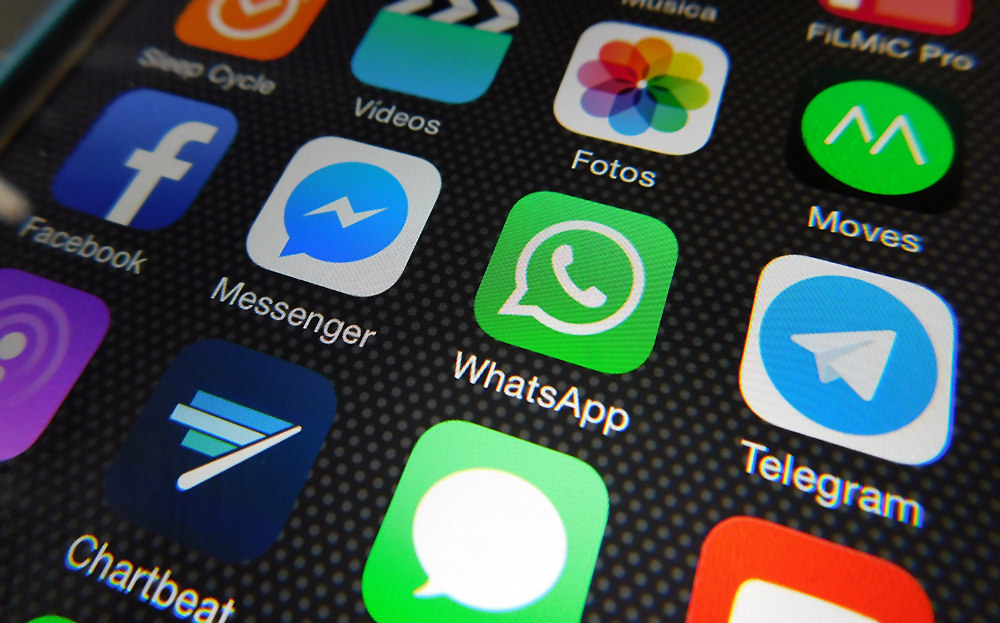
Following the recent attack in Westminster, London, UK officials have been scrambling to provide its citizens with a measure of security and assure the public that it is doing everything it can to prevent future attacks. One of the things it is doing is apparently making WhatsApp open up its encryption technology to the government since the terrorist used the app before committing the heinous crime.
WhatsApp is undeniably the most secure consumer messenger app in the business, which makes it the perfect place to have a private conversation without fear of eavesdropping. Shortly before mowing down pedestrians with his car and stabbing a police officer, it seems Khalid Masood used the app, according to the screenshot that The Daily Mail posted.
As a result, the UK government is now asking the messaging service to cooperate with its intelligence agencies. U.K. Home Secretary Amber Rudd even said that it was absurd of Facebook and WhatsApp to continue keeping Masood’s privacy in an interview with the BBC, Bloomberg reports.
“We need to make sure that our intelligence services have the ability to get into encrypted services like WhatsApp,” Rudd told the publication on Sunday.
The Home Secretary also expressed her incredulity that the companies profiting off of the internet are still not taking adequate steps to prevent the spread of extremist propaganda online, which led to incidents like the London terror attack. Foreign Secretary Boris Johnson agreed with Rudd’s stance, saying that tech companies should look to more than making money in conducting their business.
This is not the first time that governments and the tech industry have been at odds with regards to encryption technology, with several cases in the past showing private firms and agencies battling over rights to data. Apple, Google, and Amazon have had to fend off the FBI and the DOJ recently. However, WhatsApp has rarely ever been dragged into legal cases like this.







