


 Wall Street Ends Flat as Oil, Treasury Yields and Fed Jitters Rattle Markets
  Soybean Futures Slip as Traders Await Trump-Xi Trade Signals
  Australia Unemployment Hits Five-Year High Despite Strong Jobs Growth
  Oil Prices Jump 3% as Houthi Attack Revives Supply Fears
  South Korea, US Discuss Warship Building Cooperation
  Asian Stocks Fall as Bond Yields Surge Ahead of Trump-Xi Summit
  Fed Unveils Stablecoin Rules Under GENIUS Act
  US, China Extend Trade Truce to Jan. 10 Ahead of Trump-Xi Summit
  Asian Currencies Mixed as Dollar Holds Near Two-Month High
  Oil Prices Surge as U.S.-Iran Diplomacy Hopes Fade
  Japanese Bank Stocks Surge as Bond Yields Fuel Rate Hike Bets
  Wall Street Falls as Treasury Yields Surge, Oil Rebounds on Iran Tensions
  China’s ‘Lipstick King’ Says AI Won’t Replace Livestream Hosts
  Fed Unveils Stablecoin Rules Under GENIUS Act
  Russian Envoy Dmitriev Heads to US for Ukraine Talks
  Oil Prices Ease as Iran Tensions Clash With Diplomacy Hopes
  Gold Prices Fall as Treasury Yields Rise on Fed Rate Hike Bets


 Add as a preferred source on Google
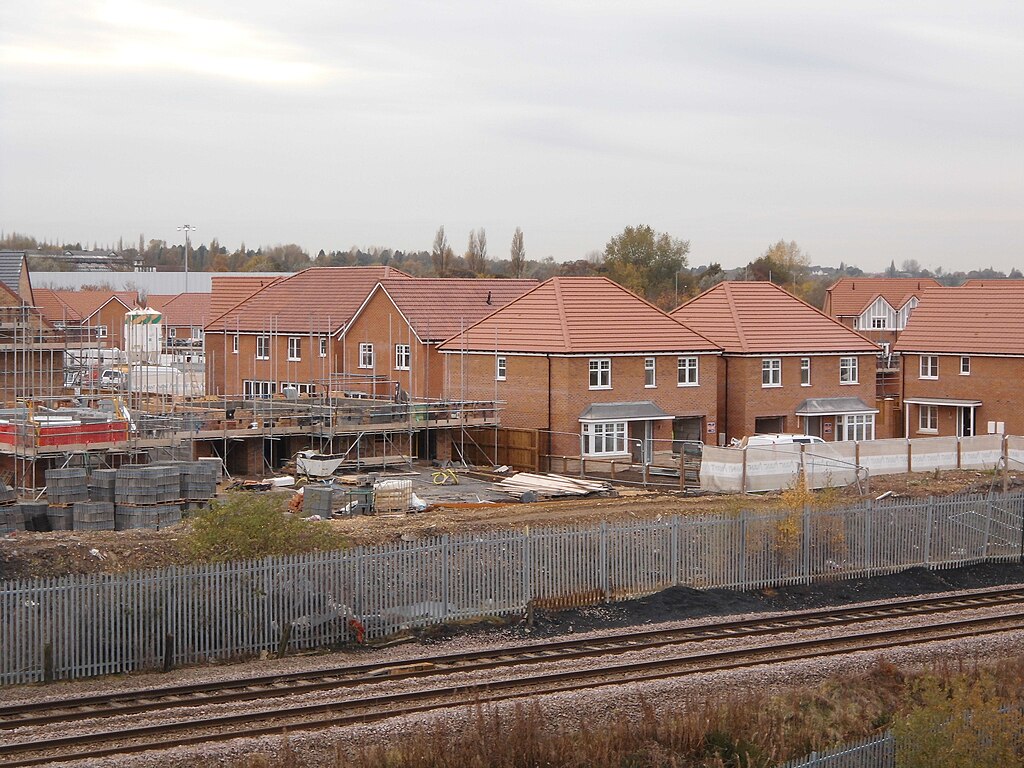
Britain's housing market is showing signs of cooling as prospective buyers grow increasingly cautious in response to escalating geopolitical tensions and the threat of prolonged high mortgage rates. According to a recent survey by the Royal Institution of Chartered Surveyors (RICS), new buyer enquiries dropped sharply in February, signaling weakening demand across the UK property market.
The RICS buyer enquiries index fell to a net balance of -26 in February, down from -15 in January, marking its lowest point since December. The survey, conducted between February 23 and March 9, coincided with the outbreak of the U.S.-Israel war on Iran on February 28, a development that appears to have rattled buyer confidence significantly.
Tarrant Parsons, RICS Head of Market Research and Analytics, noted that the worsening global outlook had clearly dampened sentiment among potential homebuyers. Rising oil and energy prices, driven by ongoing conflict in the Middle East, have heightened expectations that mortgage rates will stay elevated for a longer period, further discouraging buyers from entering the market.
Additional findings from the RICS report paint a similarly cautious picture. Near-term sales expectations slipped to a net balance of -2, the weakest level recorded since November. The house price gauge also declined to -12 in February from -10 the previous month, falling short of the -9 reading forecast by a Reuters poll of economists. Forward-looking house price expectations deteriorated even more sharply, dropping from -6 to -18.
On the rental side, tenant demand remained relatively stable over the three months to February, though new landlord instructions continued to trend deeply negative, pointing to persistent supply constraints in the lettings market.
With geopolitical uncertainty showing little sign of easing and energy costs remaining elevated, UK housing market activity is likely to remain under pressure in the near term.







