


 U.S. Stock Futures Rise Ahead of Trump-Xi Summit, Middle East Risks Weigh
  Asian Stocks Mixed Ahead of Trump-Xi Meeting
  France Debt-to-GDP Ratio Seen Hitting Record 119.3% in 2026
  Oil Prices Tumble on U.S.-Iran Diplomacy Hopes, Supply Relief
  Oil Prices Rise as U.S.-Iran Talks Fuel Diplomacy Hopes
  Asian Currencies Muted as Dollar Firms Ahead of Trump-Xi Summit
  Physicists zoom into the birth of cosmic rainstorms with new CERN study
  China’s robots can run faster than Usain Bolt – now they are being prepared for war
  Yen Weakens as Dollar Gains on Widening US-Japan Rate Gap
  U.S. Dollar Hits Eight-Week High After Fed Rate Hike
  UK Home Asking Prices Rise for First Time Since May


 Add as a preferred source on Google
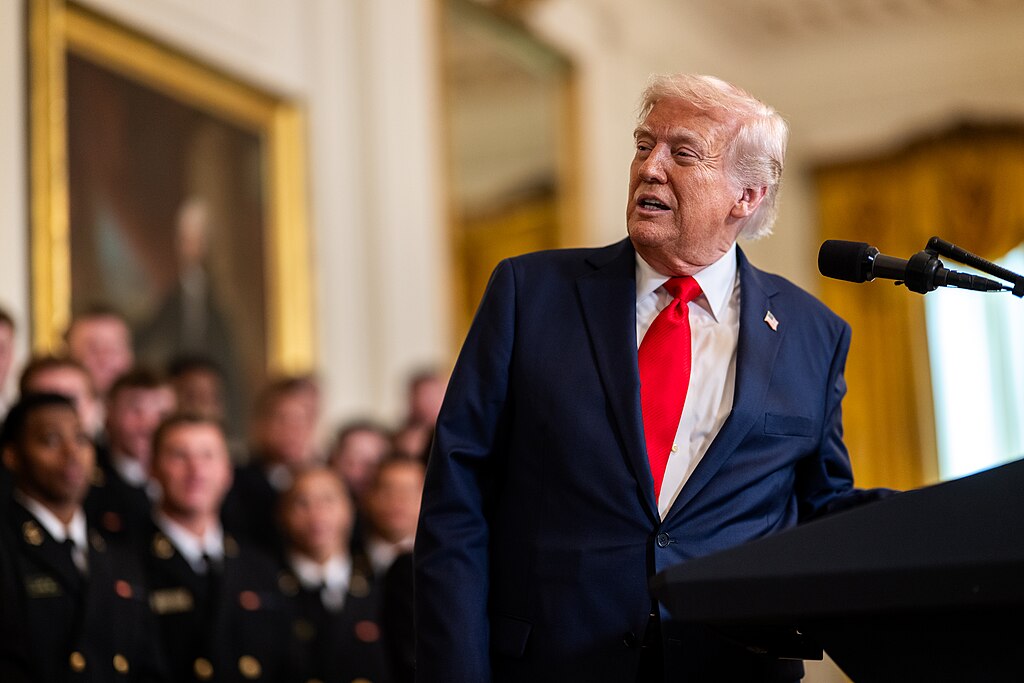
Indian exporters in auto parts and solar panels may face new hurdles from Donald Trump’s proposed “Big Beautiful Bill,” even as the legislation could boost Indian IT services. Analysts at Bernstein warn that U.S. policy unpredictability continues, with the bill's potential global impact adding to trade uncertainty.
The wide-ranging tax and spending legislation, narrowly passed by the U.S. House, includes tax cuts that could expand the U.S. fiscal deficit by over $3 trillion in ten years. Proposed measures to maintain high import duties could act as de facto tariffs worth $1.5 to $2 trillion, limiting the scope to ease current trade barriers.
While the bill could drive U.S. consumer demand, capital spending, and digital infrastructure—areas where Indian tech firms can benefit—it introduces challenges for India’s manufacturing exports. The removal of incentives for electric vehicles and the bill’s renewed focus on petrol-powered cars could significantly impact Indian auto component suppliers. Likewise, Indian solar panel exports, which have recently seen gains, may face pressure.
Adding to concerns, Section 899 of the bill could label India as a “Discriminatory Foreign Country,” potentially increasing U.S. taxes on Indian IT and pharmaceutical companies. A proposed cut in the U.S. remittance tax to 1% would have limited benefit, reducing outflows to India by only $110 million compared to the $38 billion total.
Bernstein notes that the bill's impact remains uncertain, depending on how tariff policies evolve and whether a bilateral trade agreement emerges. Despite some upside for Indian tech, the risks to export-driven sectors are considerable.







