


 US Suspends Microsoft, Adobe From Green Card Program
  Berlin Coalition Talks Advance After Left Party Antisemitism Deal
  Maduro, Wife May Face New US Torture Charges
  US-Led Coalition Targets Global Factory Overcapacity
  Gold Prices Fall as Fed Signals Another Rate Hike
  US, EU Push for Action Against Asia’s Excess Factory Capacity
  Zelenskiy Criticizes US as Russian Strikes Kill 78 in Ukraine
  Oil Prices Trim Gains After Trump Rules Out Iran Strikes Before Midterms
  US Stock Futures Flat as Fed Minutes, Earnings Loom
  Flydubai Co-Pilot Planned Suicide Attack on Israel Airport, UAE Says
  Trump Secures Russian Diesel Deal as US Fuel Prices Surge
  US Pressures Allies to Distance From Anti-Disinformation Conference
  Oil Prices Rise as Gulf Hurricane and Middle East Supply Risks Mount
  Ripple Chairman Chris Larsen Donates $22.5 Million Ahead of US Midterms
  EU Rejects Italy, Greece Calls for Fiscal Rule Flexibility
  Hegseth Praises USS Abraham Lincoln Crew After Record Iran War Deployment
  Trump Buys Up to $25M in Meta Stock, Invests in SpaceX Debt


 Add as a preferred source on Google
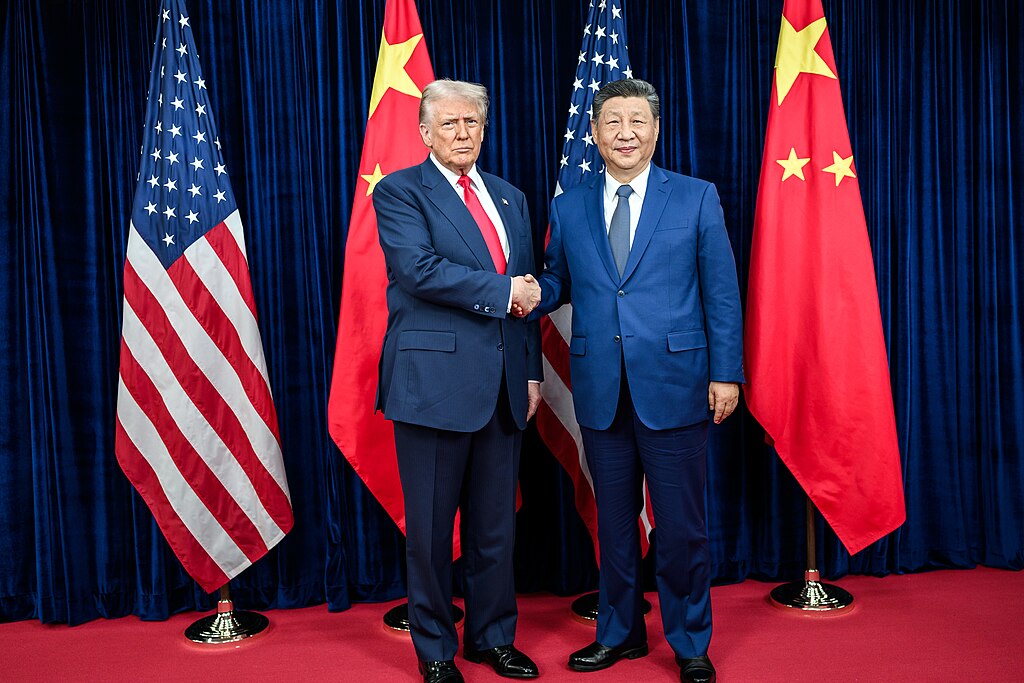
The White House has released details of a new trade agreement between U.S. President Donald Trump and Chinese President Xi Jinping, marking a major step toward easing the ongoing U.S.-China trade war. The deal, finalized in Busan, South Korea, includes tariff reductions, the suspension of Chinese export controls on rare earth minerals, and renewed agricultural purchases, extending a fragile trade truce for about a year.
Under the agreement, the U.S. will halve its 20% tariff on Chinese goods related to fentanyl precursor chemicals, lowering it to 10%. This move reduces the overall tariff rate on Chinese imports to approximately 47% from 57%. In exchange, China will pause its newly announced restrictions on exports of rare earth minerals, gallium, germanium, antimony, and graphite—critical materials for industries like defense, automotive, and technology.
Beijing will also suspend all retaliatory tariffs imposed since March, including those targeting key U.S. agricultural exports such as soybeans, corn, pork, and dairy products. Additionally, China agreed to lift non-tariff measures affecting American companies and terminate antitrust and anti-dumping investigations into U.S. semiconductor firms.
The U.S. will pause new export controls on Chinese technology companies and delay new port fees for Chinese-built and -flagged vessels for one year, helping stabilize global shipping routes.
A major component of the deal includes China’s commitment to purchase at least 12 million metric tons of U.S. soybeans by the end of 2025 and 25 million tons annually for the next three years, restoring trade flows that had been disrupted since 2024.
Both nations also pledged to cooperate on curbing the illegal fentanyl trade, with China agreeing to tighten controls on precursor chemicals. The agreement signals renewed diplomatic engagement between the world’s two largest economies and a pause in years of escalating trade tensions.







