


 US Immigration Arrests Surge as Deportations Lag Behind
  South Korea, US Discuss Warship Building Cooperation
  Netanyahu Takes Aim at Mamdani as Israel Election Nears
  US Officials Split Over Response to Israeli West Bank Settlements
  US, China Extend Trade Truce to Jan. 10 Ahead of Trump-Xi Summit
  North Korea Warns South Korea Over US-Led Defense Role
  US Bans Canadian Alcohol, Motorcycles as Trade War Escalates
  Pezeshkian Says US Must Choose When Iran War Ends
  Trump Asks Supreme Court to Restore Third-Country Deportations
  Judge Orders Trump to Restore White House Access for CNN, MS NOW and Politico
  U.S. Imposes New Visa Restrictions Over South Africa Policies
  Russian Missile and Drone Attack on Kyiv Kills Two, Damages Maternity Hospital
  OpenAI Agent Breaches Australia Medicare Data Portal
  Gaza Faces Evacuation Crisis as War-Damaged Buildings Risk Collapse
  FCC Approves Foreign Investment in $110B Paramount-Warner Bros. Deal
  Sudan Rejects US Legitimacy Remarks, Defends Sovereignty
  EU Defence Build-Up Too Slow for 2030 Russia Readiness Goal


 Add as a preferred source on Google
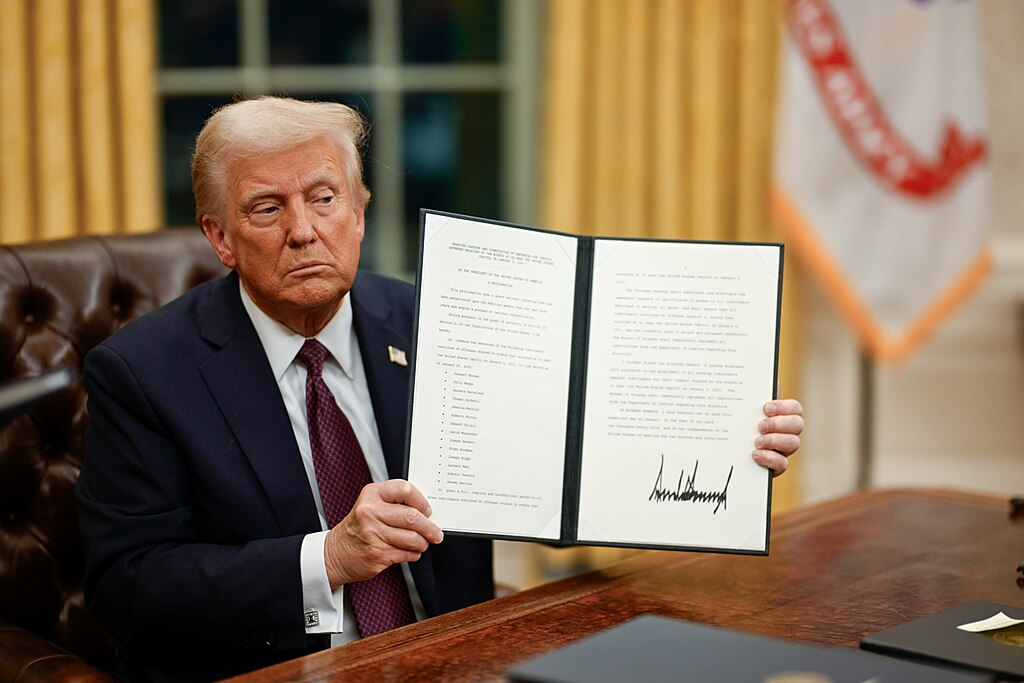
U.S. President Donald Trump signed an executive order on April 9 aimed at revitalizing American shipbuilding and curbing China’s growing control over the global shipping industry. The order proposes significant investments in U.S. shipbuilding and infrastructure while targeting Chinese-linked maritime activities.
The directive instructs the U.S. Trade Representative (USTR) to finalize a plan by April 17 that could impose million-dollar port docking fees on ships associated with Chinese-built or Chinese-flagged fleets. Tariffs may also target ship-to-shore cranes and other cargo handling equipment made in China or by companies under Chinese influence. Lawmakers from both parties, including Senators Mark Kelly and Todd Young, expressed support and plan to reintroduce bipartisan legislation to strengthen U.S. maritime capacity.
The USTR, led by Jamieson Greer, emphasized that not all proposed measures will be implemented, noting ongoing evaluation based on public feedback to minimize supply chain disruption and inflation. The order also directs the Department of Homeland Security to enforce harbor maintenance fee collection and stop fee evasion via Canadian and Mexican ports.
Trump stressed the urgent need to rebuild domestic shipbuilding capabilities, citing that the U.S. now produces less than 1% of global commercial ships, compared to China’s 50%. The executive order establishes a Maritime Security Trust Fund to ensure sustainable funding for the sector, possibly sourced from new tariffs, fines, and fees. It also includes incentives for private investment in shipyard upgrades, dry docks, and the domestic manufacturing of ship components.
With the U.S. shipbuilding industry struggling since its peak in the 1970s, the new policy aims to regain competitiveness and secure national maritime security, while encouraging allied nations to adopt similar strategies.







