


 UN Extends Haiti Security Force Mandate Ahead of Elections
  UN Condemns Myanmar Airstrike That Kills 50 in Rakhine
  US Alcohol Ban Exposes Canada’s Internal Trade Barriers
  Malaysia Begins Deportation of 1,500 Myanmar Nationals
  Trump Denies Offering Iran Sanctions Relief for Nuclear Concessions
  Israeli Settlers Attack West Bank Village, Block Palestinian Family’s Return
  Senate Democrats Say Tether USDT Helps Iran Evade Sanctions
  US Sanctions Iran Weapons Procurement Network
  Haiti Gang Retaliation Kills at Least 11 in Artibonite
  White House Blames Democrats as CLARITY Act Stalls
  UK Police Probe Foreign State Link in RAF Fairford Plot
  CNN, Politico and MS NOW Seek Court Order Blocking Trump White House Ban
  Polymarket Traders Bet on Trump AI Rename to ‘Super Intelligence’
  Trump Eyes $54 Billion South Korean Investment in Alaska LNG
  Judge Blocks Trump Election Conditions on Counterterrorism Grants
  California Bans Memecoins Issued by Public Officials Under New Law
  US Appeals Court Keeps Trump IRS Case Sanctions in Place


 Add as a preferred source on Google
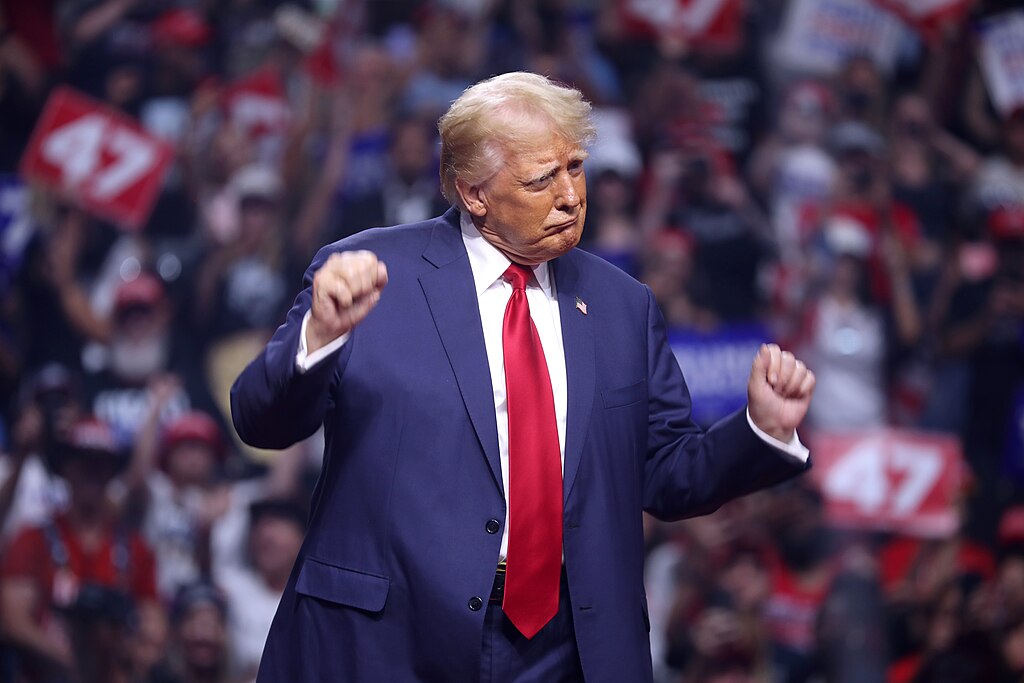
In a historic outcome for the Republican Party, former President Donald Trump has reportedly achieved the highest raw popular vote count of any GOP presidential candidate in U.S. history. As projections from the 2024 election continue to emerge, Trump's unprecedented tally marks a milestone for the party, surpassing previous Republican records and underscoring his enduring influence among the conservative base.
Election analysts have confirmed that Trump’s popular vote count eclipses prior benchmarks set by Republican candidates, positioning him as the first GOP contender to reach this level of support. Despite a fiercely polarized political climate, Trump’s appeal appears to have galvanized millions of Americans, driving voter turnout to historic highs and reaffirming his strong foothold in the political landscape.
Unmatched Republican Turnout Propelled by Trump’s Base
According to election data, Trump’s 2024 vote count surpasses even his own previous records from the 2020 election, when he initially set the bar for the highest popular vote by a Republican candidate. This year, however, Trump managed to build upon that foundation, pulling in millions of additional supporters despite considerable challenges and political controversies.
Political experts suggest that Trump’s popularity and direct appeal to voters have reinvigorated segments of the Republican Party, particularly in traditionally conservative regions and emerging swing states. While his campaign leaned heavily into economic recovery narratives, national security, and “America First” policies, his consistent messaging likely played a role in driving Republican voters to the polls in droves.
"This level of turnout is unheard of for a Republican candidate," said Matthew Connors, a political analyst with the Election Research Center. "Trump has effectively redefined the GOP’s relationship with its base, bringing new and infrequent voters into the fold in a way that hasn’t been seen in decades."
Critics Question Significance Amidst Controversies
While the achievement is historic, some critics argue that the unprecedented vote count says more about the nation’s political polarization than Trump’s individual popularity. Detractors assert that his campaign’s divisive rhetoric may have mobilized both his supporters and opponents, resulting in higher turnout on both sides of the aisle.
Additionally, opponents point out that record-high voter turnout was seen across the board in this election cycle, partially driven by a series of contentious issues, including immigration reform, economic instability, and Supreme Court nominations. They argue that Trump’s popular vote record is part of a broader trend rather than a unique accomplishment.
"Trump’s record vote count shouldn’t be viewed in isolation," said Lisa Carmichael, a political strategist and frequent critic of the former president. "The reality is that many voters were motivated to the polls due to the divisive nature of this election."
A New GOP Standard?
Trump’s historic vote count may also set a new standard for the Republican Party, with implications that could reshape its future campaigns and strategies. Analysts suggest that his popularity may prompt GOP candidates to adopt similarly direct, populist approaches, appealing to both the conservative base and disillusioned independents. However, Trump’s influence remains polarizing, with some factions within the party concerned about the long-term impact of his brand of politics.
As election officials finalize and certify the 2024 results, Trump’s achievement remains a defining moment in Republican history. For supporters, it serves as a testament to his lasting influence and the appeal of his policy priorities. For critics, it represents the culmination of an era marked by profound division. Regardless of perspective, Trump's record-breaking popular vote has undeniably left a mark on U.S. electoral history, one that will likely influence the GOP’s path forward.
With record numbers at his back, Trump has once again proven to be a formidable force in American politics, setting the stage for debates on the future direction of the Republican Party.







