


 Malaysia Begins Deportation of 1,500 Myanmar Nationals
  US Appeals Court Keeps Trump IRS Case Sanctions in Place
  White House Blames Democrats as CLARITY Act Stalls
  Wicker Urges US to Uphold Taiwan Security Commitments
  Russian Drone Strikes Kill Nine Across Ukraine, Hit Kyiv Science Academy
  US Sanctions Iran Weapons Procurement Network
  Trump Eyes $54 Billion South Korean Investment in Alaska LNG
  Tim Scott Blames Democrats as CLARITY Act Stalls in Senate
  Israeli Settlers Attack West Bank Village, Block Palestinian Family’s Return
  Trump, Tech Leaders Sign ‘Morally Binding’ AI Safety Accord
  CNN, Politico and MS NOW Seek Court Order Blocking Trump White House Ban
  California Bans Memecoins Issued by Public Officials Under New Law
  Second DOJ Lawyer Exits Trump Probe
  UN Experts Urge US to Halt Third-Country Migrant Deportations
  Haiti Gang Retaliation Kills at Least 11 in Artibonite
  UK Police Probe Foreign State Link in RAF Fairford Plot
  US Alcohol Ban Exposes Canada’s Internal Trade Barriers


 Add as a preferred source on Google
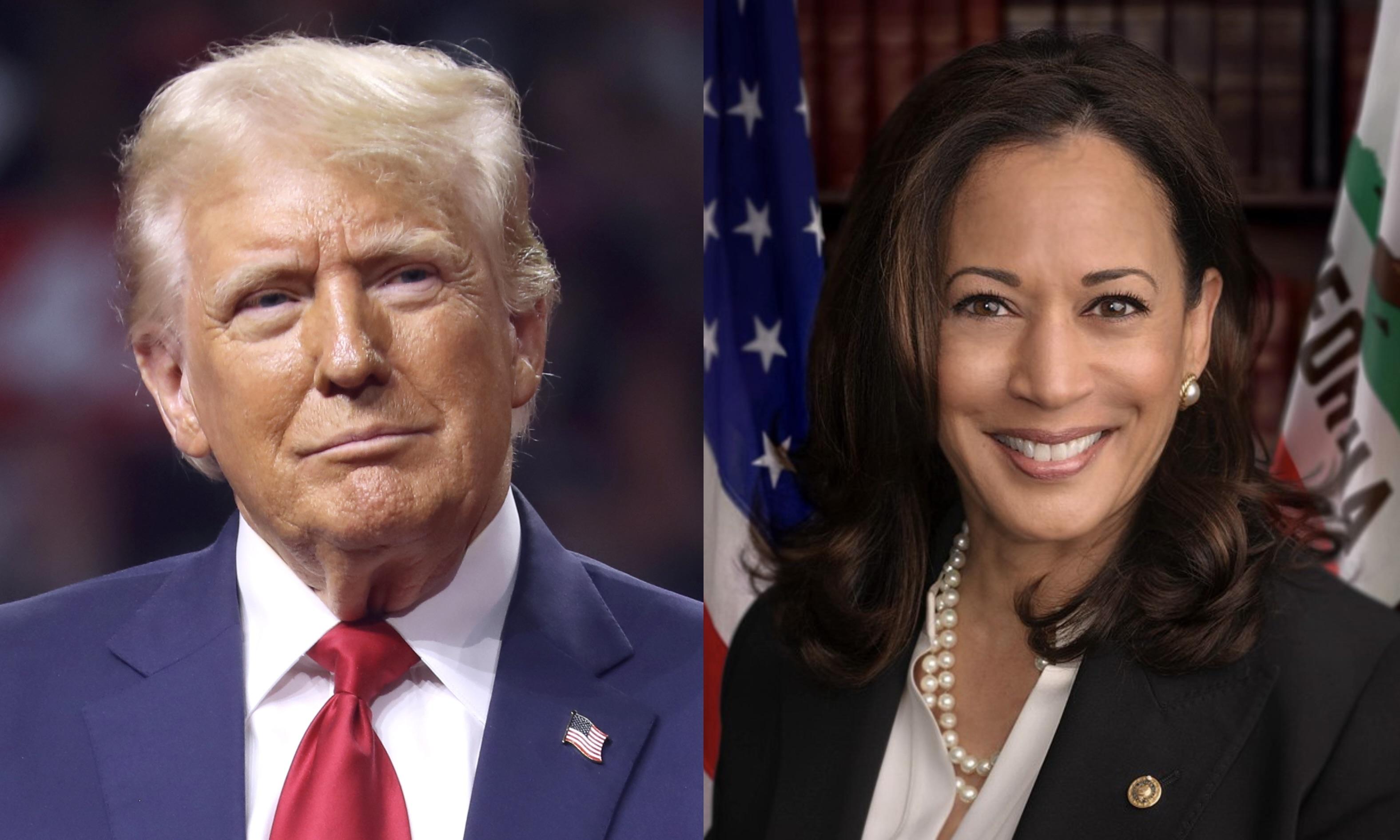
In a powerful move redefining voter eligibility, eight U.S. states passed citizen-only voting initiatives in the latest election cycle, sending a strong message on who can cast a ballot. These initiatives, approved by wide margins, explicitly restrict voting rights to U.S. citizens, effectively banning non-citizens from participating in any state or local elections.
The passage of these measures marks a turning point in the ongoing debate over voting rights and election integrity. Advocates argue that the initiatives reinforce the principle that voting is a fundamental right of citizenship, while critics claim the new laws create unnecessary exclusions and play into a divisive political narrative.
A Growing Movement for Citizenship-Based Voting
The citizen-only voting initiatives gained overwhelming support across various states, with backers emphasizing the importance of protecting the sanctity of U.S. elections. Proponents insist that voting rights should be reserved for those with an official stake in the nation's future—its citizens.
“The right to vote is one of the highest privileges of citizenship,” said William Mercer, a political analyst in Texas, one of the states that passed the measure. “By passing these initiatives, voters are signaling that they want to safeguard this right for U.S. citizens exclusively.”
States including Ohio, Alabama, and Colorado joined others in passing these measures with resounding public backing. Ohio’s ballot initiative, for example, passed with a decisive majority, illustrating the public’s appetite for more restrictive voting laws. The amendments now require proof of citizenship to vote, an adjustment that supporters believe will reinforce election integrity and prevent potential exploitation.
Critics Warn of Unintended Consequences
While supporters hailed the move as a common-sense approach to secure elections, critics argue that the citizen-only measures could lead to unintended consequences, including voter suppression. Some opponents contend that the push for citizen-only voting laws targets immigrant communities and spreads a “fear-driven narrative.”
“The right to vote has been central to democracy,” said Maria Torres, a spokesperson for a civil rights organization opposing the initiatives. “These new laws send a dangerous message and could discourage legal immigrant communities who are on the path to citizenship from engaging in local issues.”
Additionally, opponents point out that instances of non-citizen voting are exceedingly rare. They argue that these initiatives address a problem that doesn’t truly exist, and instead serve as political statements that could alienate certain demographics.
Future Implications for Voting Rights and Citizenship
The approval of citizen-only voting initiatives in multiple states highlights a new trend in election law that could expand across the country. Some believe this approach may inspire similar legislation at the federal level or in other states, sparking a national discussion on the rights and responsibilities tied to U.S. citizenship.
“The movement is gaining momentum,” said Michael Sullivan, a law professor specializing in electoral policies. “As more states follow suit, we might see this citizen-only voting requirement become a staple in election law nationwide.”
For now, the eight states’ new laws serve as a landmark decision that underscores a growing emphasis on citizenship within the U.S. electoral system. While the measure has stirred controversy, it undeniably reflects a larger societal shift towards reinforcing traditional voting qualifications.
Supporters maintain that the measures are a victory for those who see voting as an exclusive privilege of citizenship, while critics warn it could create a chilling effect for immigrant communities. Regardless of where one stands, the message from these states is clear: only U.S. citizens will be casting ballots in their elections from now on.







