


 TD Cowen Starts SpaceX at Buy, Sees AI Compute Driving Growth
  OpenAI Seeks $30 Billion at $1.4 Trillion Valuation
  Robinhood Launches AI Agents for Automated Trading
  Toyota Global Sales Fall for Seventh Month as China Demand Slumps
  Morgan Stanley Launches Digital Asset Lab for Stablecoins and Tokenization
  Goldman Sachs Private Credit Fund Sees Redemptions Ease in Q3
  OpenAI Scraps GPT-6.1 Astra Launch Over Safety Concerns
  Goldman Sachs Eyes John Waldron as CEO Successor
  Apple CEO John Ternus Plans Major Overhaul
  Pepco Raises FY26 Earnings Outlook, Unveils €400 Million Buyback
  CSL Partners With AWS to Bring AI Into Drug Research
  Bitwise Launches NEAR ETF as $562 Bull Case Fuels AI Crypto Buzz
  Vitalik Buterin Says Hegota Could Be Ethereum’s Last Conventional Fork
  Pi Network Price Holds $0.087 as Protocol 28 Mainnet Upgrade Nears
  Meta Found Liable in New Mexico Facebook Data Privacy Case
  Solidigm Eyes $150 Billion IPO as SK Hynix Expands AI Storage Push
  TikTok Reaches $100 Million Alabama Settlement Over Child Safety Claims


 Add as a preferred source on Google
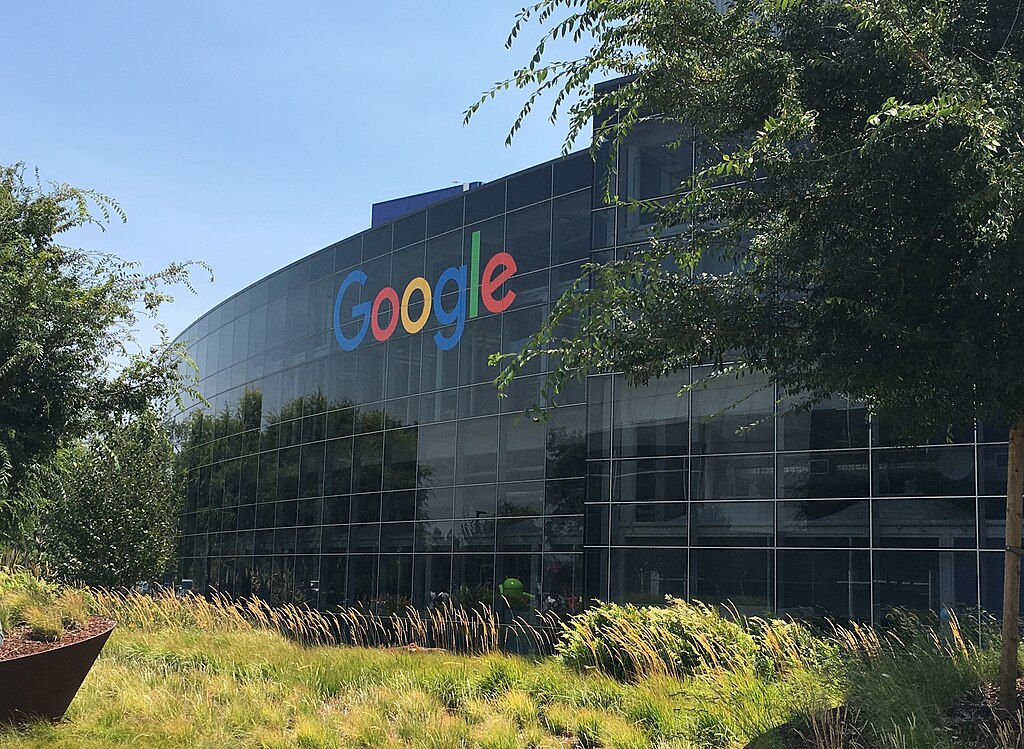
Google is reportedly paying around 100 digital publishers to provide content for its artificial intelligence-powered search features, marking a notable change in the technology giant’s longstanding relationship with online media companies.
According to The Information, citing people familiar with the matter, Google has launched a pilot program that compensates selected digital publishers for content used in AI-powered answers across its search engine and other products.
The initiative represents a shift from Google’s traditional position on paying publishers whose material appears in search results. Historically, the company has argued that publishers benefit from Google Search because user queries and links generate traffic to their websites, reducing the need for direct compensation.
However, the rapid expansion of generative AI in Google Search has changed that dynamic. Google’s AI Overviews feature provides AI-generated summaries directly at the top of search results, allowing users to obtain information without necessarily clicking through to the websites that supplied the underlying content.
The Information reported that AI Overviews have significantly reduced the amount of referral traffic Google Search sends to websites. The decline has become a growing concern for digital publishers, many of which depend heavily on search traffic to generate advertising revenue, subscriptions and audience growth.
Publishers have increasingly criticized Google over the impact of AI-generated search answers on their businesses. Some media companies have also pursued legal action, raising questions about how online content is used to train or support artificial intelligence systems and whether publishers should receive compensation.
Google’s decision to test payments with approximately 100 publishers could signal a broader evolution in how technology companies license and use professionally produced content for generative AI products.
The pilot comes as Google and other major technology companies expand AI-powered search tools while facing pressure from publishers seeking fair compensation for content used in automated answers. The outcome of Google’s publisher payment program could help shape future licensing agreements between AI companies and the digital media industry.







