


 US Plans Two New Military Bases in Greenland Under Arctic Deal
  Yen Weakens as Dollar Gains on Widening US-Japan Rate Gap
  Russian Strikes Kill Eight Across Ukraine as Energy Sites Hit
  US, Denmark and Greenland Set to Sign Arctic Security Deal
  Trump to Press Xi on Release of US Nuclear Expert Held in China
  European Stocks Slip as Iran Tensions Offset Strong Eurozone Data
  US, Japan and South Korea Back Taiwan Ahead of Trump-Xi Summit
  US Stock Futures Rise as Meta Muse Fuels AI Rally
  Scott Bessent Eyed as Trump’s New AI Czar
  U.S. Dollar Hits Eight-Week High After Fed Rate Hike
  Dollar Hits Two-Month High as Fed Rate Hike Bets Rise
  Canada Unveils Bill to Fast-Track Major Resource Projects
  Vietnam, US Trade Deal Could Be Signed Soon, To Lam Says
  Macron, Trump Discuss Ukraine-Russia Energy Strike Moratorium
  Gold Prices Slip as Strong Dollar and Hawkish Fed Pressure Bullion
  UK Home Asking Prices Rise for First Time Since May


 Add as a preferred source on Google
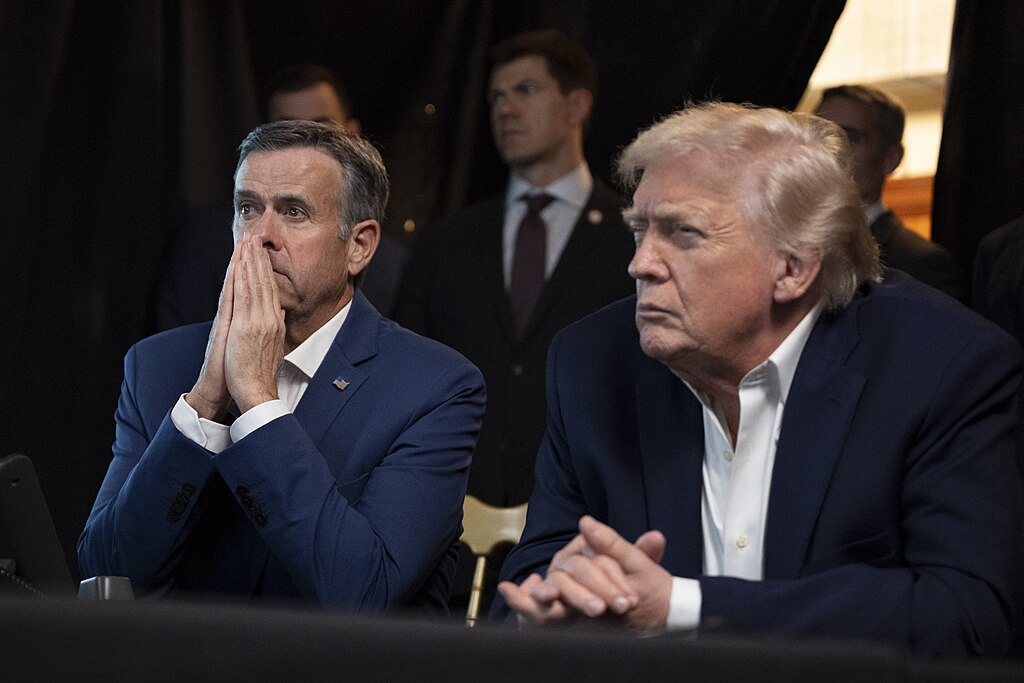
U.S. President Donald Trump announced Saturday that no tolls will be charged for ships passing through the Strait of Hormuz during the proposed 60-day interim ceasefire period with Iran. Trump also stated that no fees would be imposed after the ceasefire expires unless the United States decides to introduce them if negotiations with Iran fail.
In a post on Truth Social, Trump emphasized that maritime traffic through the strategically important Strait of Hormuz would remain free of tolls throughout the temporary truce. He added that any future charges would only be implemented by the United States and would serve as compensation for what he described as America’s role in protecting Middle Eastern nations and safeguarding critical shipping routes.
“There will be NO TOLLS in the Hormuz Strait for 60 days during the Cease Fire Period, and there will be NO TOLLS after the 60 day period has expired, unless they are imposed by and for the United States of America,” Trump wrote.
The statement comes amid heightened attention on the Strait of Hormuz, one of the world’s most important energy transit corridors. The narrow waterway connects the Persian Gulf to global markets and handles a significant share of international oil and liquefied natural gas shipments. Any disruption to traffic through the strait can have major implications for global energy prices and international trade.
Trump suggested that if a long-term agreement with Iran is not finalized, the United States could consider imposing tolls as reimbursement for its security efforts in the region. He characterized the U.S. as a “Guardian Angel” for Middle Eastern countries, citing past, present, and future costs associated with maintaining regional stability and protecting maritime commerce.
The announcement is likely to draw attention from global energy markets, shipping companies, and regional governments, as developments involving the Strait of Hormuz are closely monitored due to their potential impact on oil supplies, transportation costs, and geopolitical stability in the Middle East.







