


 US, Denmark and Greenland Set to Sign Arctic Security Deal
  AfD Wins German State Election as Merz’s CDU Hits Historic Low
  Canada Unveils Bill to Fast-Track Major Resource Projects
  Nvidia-Groq AI Chip Deal Faces U.S. Antitrust Probe
  Oil Prices Rise as U.S.-Iran Talks Fuel Diplomacy Hopes
  Strait of Hormuz Oil Shipments Hit Six-Month High as U.S. Clears Mines
  Oil Prices Rise as Houthi Strikes on Riyadh Fuel Middle East Tensions
  FAA Allows Boeing to Sell 35 More 777F Freighters Beyond 2028
  FDA Weighs Safety Standards for Psychedelic Therapies
  Zelenskiy Meets CIA Chief John Ratcliffe at Ireland’s Shannon Airport
  US, Japan and South Korea Back Taiwan Ahead of Trump-Xi Summit
  White House Bars CNN, MS NOW and Politico Reporters
  US Resumes Immigrant Visa Processing for Hungary, Poland
  Mexico Pushes for US Trade Deal Before Midterms
  Fed Rate Hike Threatens Housing as U.S. Growth Leans on AI, Citi Says
  US-China Talks Target AI, Tariffs Ahead of Trump-Xi Summit


 Homebuyer Plan Amid Housing Affordability Debate - EconoTimes)


 Add as a preferred source on Google
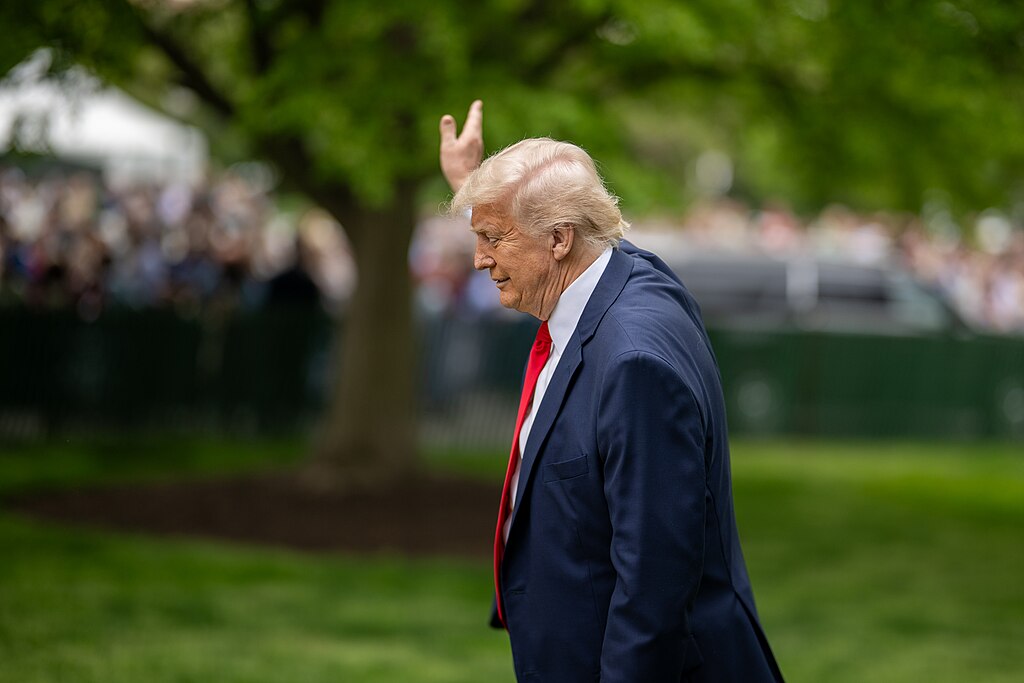
U.S. President Donald Trump has expressed reservations about a proposal floated by his own administration that would allow Americans to tap into their 401(k) retirement savings to help fund down payments on homes. Speaking to reporters aboard Air Force One on Thursday, Trump said he was “not a huge fan” of the idea, even though it was recently promoted by his chief economic adviser, Kevin Hassett.
Hassett told Fox Business Network last week that the Trump administration was considering policy changes that would let individuals withdraw money from their 401(k) accounts to finance home purchases. The proposal was positioned as a way to boost homeownership at a time when high mortgage rates and elevated home prices have locked many potential buyers out of the housing market. Trump, however, emphasized that he prefers Americans keep their retirement savings invested, noting that 401(k) accounts have been performing strongly.
“One of the reasons I don’t like it is that their 401(k)s are doing so well,” Trump said, adding that retirement accounts are currently outperforming the housing market. U.S. stock markets posted significant gains last year, with the S&P 500 rising 16.39% and the Nasdaq Composite climbing more than 20%, reinforcing Trump’s view that retirement funds should remain untouched.
As Trump prepares for potential losses in upcoming congressional elections amid economic uncertainty and rising cost-of-living concerns, housing policy has become a central focus of his agenda. He has made boosting homeownership rates and lowering borrowing costs key priorities. Earlier this week, Trump signed an executive order aimed at limiting large institutional investors from competing with individual buyers in residential real estate, a move designed to ease housing affordability pressures.
In recent weeks, Trump has also directed the Federal Housing Finance Agency to purchase $200 billion in bonds issued by Fannie Mae and Freddie Mac, with the goal of driving mortgage rates lower. He has repeatedly urged the U.S. Federal Reserve to cut its benchmark interest rates, arguing that lower rates would help revive housing demand.
Despite these efforts, analysts caution that affordability challenges are not solely driven by interest rates. Housing inflation remains elevated, and many economists argue that a chronic shortage of supply is the core problem. Without changes to zoning laws and construction regulations, lower rates could simply increase demand and push home prices even higher. Investors continue to monitor policy shifts closely, as any meaningful changes could influence housing market activity and mortgage application volumes in the months ahead.







