


 FDA Names Permanent Drug and Biologics Center Chiefs
  Saudi Arabia Seeks Military Support as Houthi Attacks Escalate
  China Tightens Fentanyl Rules Ahead of Trump-Xi Summit
  Iran Rejects Nuclear Concessions in Hormuz Deal
  Netanyahu’s Brief US Trip Highlights Strains With Trump
  US Bans Canadian Alcohol, Motorcycles as Trade War Escalates
  North Korea Warns South Korea Over US-Led Defense Role
  Ukrainian Drone Attacks Hit Russian Regions, Injuring at Least 12
  Pezeshkian Says US Must Choose When Iran War Ends
  Pope Leo Warns UN, Multilateral Groups Face Crisis
  Netanyahu Defends Israel at UN as Delegates Stage Walkout
  U.S. Imposes New Visa Restrictions Over South Africa Policies
  Trump Bans CNN, MS NOW and Politico From White House
  Pentagon Restarts Testosterone Testing for US Troops
  Trump Asks Supreme Court to Restore Third-Country Deportations
  Saudi Arabia, Turkey and Pakistan Plan Urgent Defence Talks Over Houthi Attacks
  Nvidia-Groq AI Chip Deal Faces U.S. Antitrust Probe


 Add as a preferred source on Google
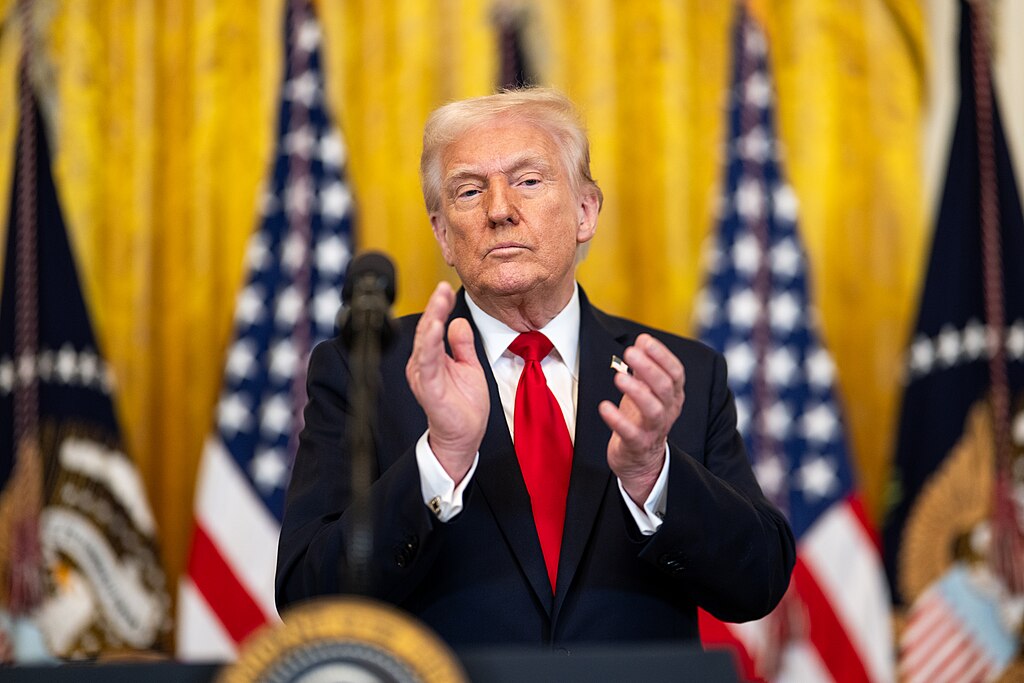
U.S. President Donald Trump announced that the Pentagon, under his orders, destroyed a vessel allegedly transporting narcotics in the U.S. Southern Command’s (SOUTHCOM) area of responsibility. According to Trump, the strike killed three suspected “narcoterrorists,” though no evidence has been presented. Aerial footage posted on Truth Social showed the vessel being hit by projectiles before erupting in flames.
The strike marks at least the third U.S. attack on suspected drug boats in recent weeks. It coincides with a significant military buildup in the southern Caribbean, including seven U.S. warships, a nuclear-powered submarine, and the deployment of 10 F-35 stealth fighters, five of which recently landed in Puerto Rico.
Earlier this month, U.S. Defense Secretary Pete Hegseth told troops in the region that they were on the “front lines” of counter-narcotics operations, rather than routine training. The Trump administration previously confirmed a September 2 strike targeting an alleged Venezuelan gang vessel. However, Venezuela denied the claim, insisting those killed were not affiliated with the Tren de Aragua gang.
Venezuelan President Nicolas Maduro accused Washington of using the strikes as a pretext to destabilize his government. The U.S. recently doubled its reward for information leading to Maduro’s arrest to $50 million, citing alleged ties to drug trafficking—an accusation Maduro denies.
Human rights organizations, including Human Rights Watch, have condemned the operations as “unlawful extrajudicial killings.” Critics argue that the drug trade does not constitute an armed conflict under international law and warn that bypassing judicial process undermines U.S. human rights obligations.
The legality of striking and destroying suspected drug vessels instead of seizing them remains highly controversial, raising concerns over accountability and congressional oversight in military operations.







