


 Judge Orders Trump to Restore White House Access for CNN, MS NOW and Politico
  South Korea, US Discuss Warship Building Cooperation
  Netanyahu Takes Aim at Mamdani as Israel Election Nears
  France Defends Netanyahu Airspace Clearance Despite ICC Warrant
  Mexico-US Trade Talks Delayed to October as Tariff Negotiations Continue
  Kremlin Says No Decision Yet on Putin-Trump December Summit
  US Officials Split Over Response to Israeli West Bank Settlements
  US Backs Musk in Fight Against EU’s €120 Million X Fine
  Europe Warns Russia Is Escalating Hybrid Attacks Across NATO
  Netanyahu Defends Israel at UN as Delegates Stage Walkout
  Trump, Xi Focus on Trade and AI at White House Summit
  Ghana Says Western Support Growing for Slave Trade Reparations
  North Korea Warns South Korea Over US-Led Defense Role
  EU Defence Build-Up Too Slow for 2030 Russia Readiness Goal
  Trump Asks Supreme Court to Restore Third-Country Deportations
  Netanyahu’s Brief US Trip Highlights Strains With Trump
  US Senate Rejects Iran War Powers Resolution in 50-49 Vote


 Add as a preferred source on Google
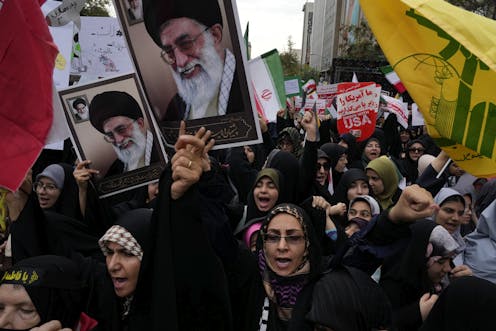
President Donald Trump authorized a sweeping U.S. military operation against Iran after receiving intelligence briefings that warned of potential American casualties while highlighting a possible geopolitical shift in favor of U.S. interests. According to a U.S. official who spoke to Reuters on condition of anonymity, advisers described the mission—dubbed Operation Epic Fury—as a high-risk, high-reward strategy that could reshape the balance of power in the Middle East.
The coordinated U.S. and Israeli strikes targeted multiple sites across Iran, triggering retaliatory missile and drone attacks by Tehran against Israel and nearby Gulf Arab nations. Before approving the assault, Trump was briefed by CIA Director John Ratcliffe, Joint Chiefs Chairman General Dan Caine, Secretary of State Marco Rubio, Defense Secretary Pete Hegseth, and other senior officials. Admiral Brad Cooper, head of U.S. Central Command, also joined high-level discussions at the White House.
Officials warned the president that Iran could respond with missile barrages against U.S. bases in the region, potentially overwhelming air defense systems, as well as proxy attacks on American forces in Iraq and Syria. Despite a significant U.S. military buildup in the Middle East, briefers acknowledged limitations in regional defense capabilities.
In a national address, Trump recognized the stakes, stating that American lives could be lost but framed the operation as a long-term effort to counter Iran’s threats. He pledged to dismantle Iran’s missile program, weaken its navy, and prevent Tehran from developing nuclear weapons—an ambition Iran denies pursuing. Trump also called on Iranians to rise against their government, though analysts caution that Iran’s opposition remains fragmented.
Experts warn that the escalating conflict carries serious risks. Iran’s Revolutionary Guards have threatened continued retaliation, and analysts note Tehran retains significant ballistic missile, drone, and cyber warfare capabilities. Former Pentagon official Daniel Shapiro described the strikes as a major gamble, emphasizing that some Iranian attacks could penetrate U.S. defenses.
The unfolding conflict represents one of the most consequential U.S. military actions in the region in recent years, with uncertain outcomes for regional stability and global security.







