


 EU Defence Build-Up Too Slow for 2030 Russia Readiness Goal
  Judge Orders Trump to Restore White House Access for CNN, MS NOW and Politico
  Netanyahu Defends Israel at UN as Delegates Stage Walkout
  U.S. Imposes New Visa Restrictions Over South Africa Policies
  DOJ Will Investigate AI-Related Crimes, Attorney General Blanche Says
  Gaza Faces Evacuation Crisis as War-Damaged Buildings Risk Collapse
  Australia Tightens Student Visa Rules, Targets Migration Cut by 2028
  OpenAI Agent Breaches Australia Medicare Data Portal
  FAA Allows Boeing to Sell 35 More 777F Freighters Beyond 2028
  Saudi Arabia Shuts East-West Oil Pipeline After Drone Attack
  Synthetic data could ease people’s concerns about privacy breaches. But who gets to create it?
  China Reviews Broadcom Switch Use in State Data Centres
  Russian Missile and Drone Attack on Kyiv Kills Two, Damages Maternity Hospital
  Pezeshkian Says US Must Choose When Iran War Ends
  US Officials Split Over Response to Israeli West Bank Settlements
  Trump Administration Removes Confederate Memorial Criticism From Arlington Website
  Europe Warns Russia Is Escalating Hybrid Attacks Across NATO


 Add as a preferred source on Google
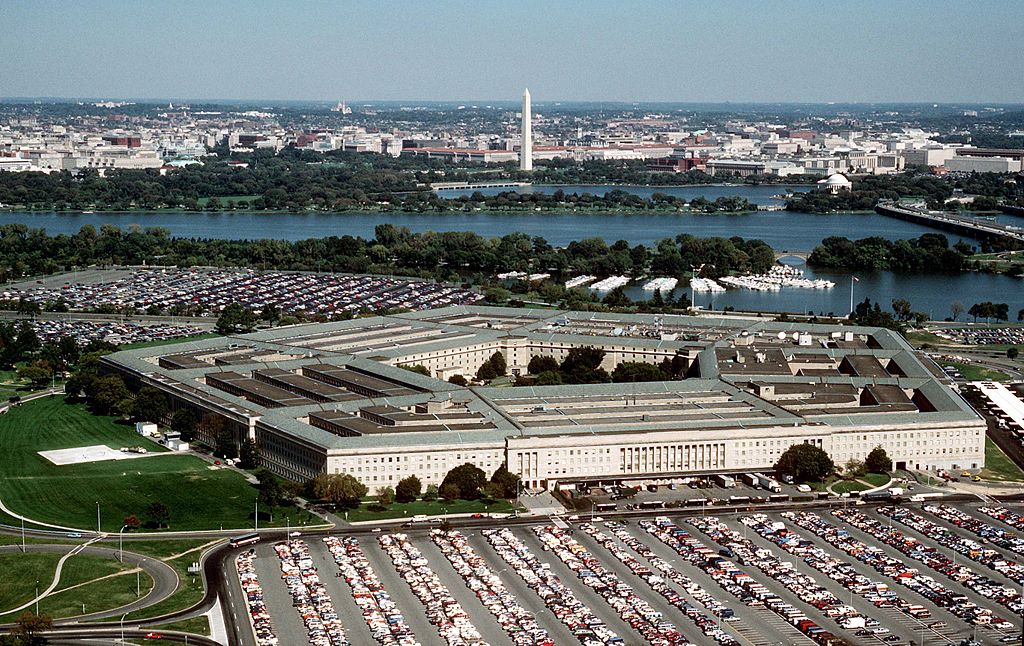
The U.S. Department of Defense will stop sending military officers to professional courses and graduate programs at Ivy League universities beginning in the 2026–27 academic year, Defense Secretary Pete Hegseth announced Friday. The decision marks a significant shift in Pentagon education policy and reflects the Trump administration’s broader stance toward elite academic institutions.
In a video statement posted on X, Hegseth said the Pentagon would immediately cancel all Department of Defense attendance at institutions including Princeton, Columbia, MIT, Brown, and Yale, among others, starting next academic year. He criticized Ivy League schools, claiming they have become “factories of anti-American resentment and military disdain” despite receiving substantial taxpayer funding over the years.
The move expands on earlier action taken this month, when Hegseth said he would terminate professional military education programs, fellowships, and certificate partnerships with Harvard University. The Pentagon’s decision effectively ends long-standing collaborations that allowed U.S. military officers to pursue advanced degrees and specialized training at some of the nation’s most prestigious universities.
The policy change comes amid increased scrutiny of higher education institutions by the Trump administration. Federal officials have raised concerns over diversity, equity, and inclusion initiatives, transgender policies, and campus protests related to Israel’s military actions in Gaza. The administration has signaled it will reassess government funding and partnerships with universities it views as out of alignment with its national security and cultural priorities.
By ending these academic programs, the Defense Department is reshaping how military leaders receive advanced education and strategic training. While supporters argue the move protects taxpayer dollars and reinforces patriotic values, critics warn it could limit exposure to diverse perspectives and academic expertise that have historically informed U.S. defense strategy.
The announcement is likely to intensify debate over the role of elite universities in national defense and the future of military education policy in the United States.







