


 Saudi Arabia Seeks Military Support as Houthi Attacks Escalate
  Yemen Violence Displaces 130,000 as Civilian Toll Rises
  U.S. Imposes New Visa Restrictions Over South Africa Policies
  Colombia Extradites FARC Dissident Leader ‘Spider’ to US
  Wall Street Ends Flat as Oil, Treasury Yields and Fed Jitters Rattle Markets
  North Korea Warns South Korea Over US-Led Defense Role
  US Bans Canadian Alcohol, Motorcycles as Trade War Escalates
  Who should own the knowledge that underpins AI technology?
  US Northeast Airports Resume Operations After Telecom Outage Disrupts Thousands of Flights
  Gold Prices Fall as Treasury Yields Rise on Fed Rate Hike Bets
  Saudi Arabia Shuts East-West Oil Pipeline After Drone Attack
  FAA Allows Boeing to Sell 35 More 777F Freighters Beyond 2028
  Asian Stocks Fall as Surging Bond Yields Rattle Markets
  US Immigration Arrests Surge as Deportations Lag Behind
  Canadian Dollar Faces Pressure as Fed-BoC Policy Gap Widens
  Nvidia-Groq AI Chip Deal Faces U.S. Antitrust Probe
  Judge Blocks Trump Rule Limiting Foreign Student Visas


 Add as a preferred source on Google
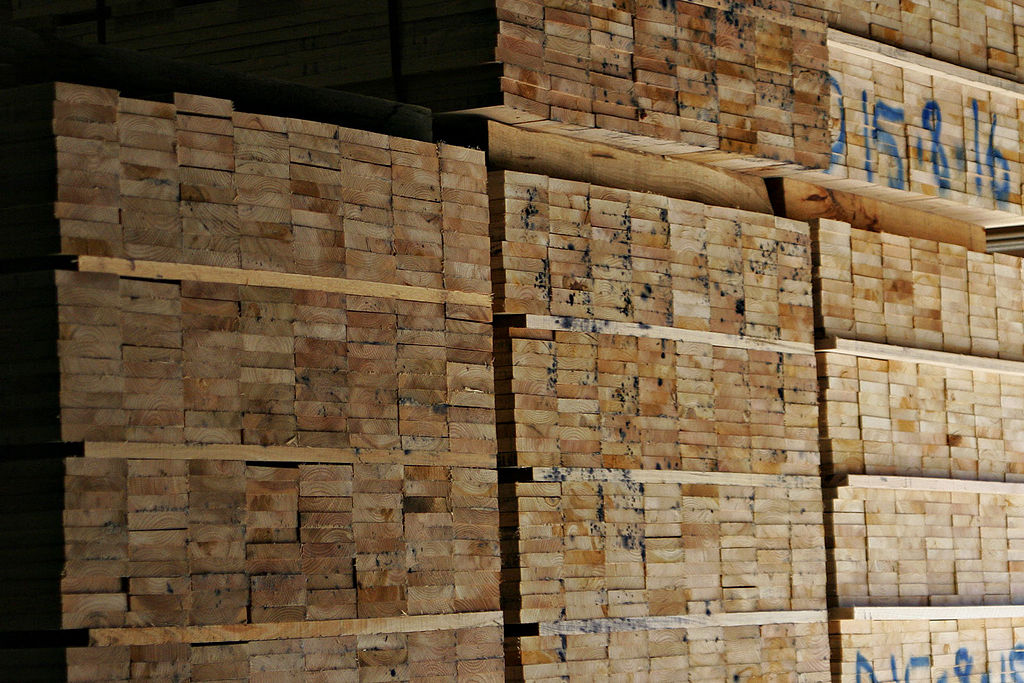
U.S. President Donald Trump has announced a new wave of tariffs targeting lumber, furniture, and kitchen fittings in an effort to strengthen domestic manufacturing and reduce reliance on imported goods. The tariffs, revealed Monday evening, are set to take effect on October 14 following a Commerce Department investigation ordered earlier this year.
Under the new trade measures, the U.S. will impose a 10% tariff on softwood lumber and timber imports, a 25% tariff on kitchen cabinets and vanities, and a 25% tariff on upholstered wooden furniture. These tariffs are designed to protect U.S. mills and wood supply chains from being undercut by foreign competition, according to Trump’s proclamation.
The Commerce Department’s investigation concluded that the current level of wood product imports is weakening the U.S. economy and negatively impacting local wood producers. It also found that the United States has “ample” raw materials and production capacity to meet domestic demand, a key factor in the decision to raise tariffs.
Trump emphasized that the move aligns with his broader policy of promoting “Made in America” manufacturing and reducing dependence on foreign supply chains. Just last week, the administration had announced a 100% tariff on pharmaceutical imports, signaling an aggressive push to protect local industries across multiple sectors.
The latest proclamation reflects Trump’s ongoing efforts to revive American manufacturing jobs by curbing imports and encouraging companies to source and produce locally. Supporters argue that these tariffs will create new opportunities for U.S. businesses, while critics warn they could raise costs for consumers and strain relationships with trade partners.
With these tariffs in place, the U.S. government aims to bolster domestic production, safeguard local jobs, and strengthen supply chain resilience at a time when economic independence has become a central focus of trade policy.







