


 Synthetic data could ease people’s concerns about privacy breaches. But who gets to create it?
  Pope Leo Backs Press Freedom After White House Media Ban
  Saudi Arabia Seeks Military Support as Houthi Attacks Escalate
  FDA Names Permanent Drug and Biologics Center Chiefs
  FCC Approves Foreign Investment in $110B Paramount-Warner Bros. Deal
  US Comfortable With Canada Trade Standoff as Import Bans Loom
  Pezeshkian Says US Must Choose When Iran War Ends
  EU Defence Build-Up Too Slow for 2030 Russia Readiness Goal
  Judge Blocks Trump Rule Limiting Foreign Student Visas
  Canada Unveils Bill to Fast-Track Major Resource Projects
  U.S. Imposes New Visa Restrictions Over South Africa Policies
  Pope Leo Warns UN, Multilateral Groups Face Crisis
  Putin Says Ukraine Peace Proposals Remain on Table
  North Korea Warns South Korea Over US-Led Defense Role
  NATO Boosts Intelligence Sharing Amid Russia Hybrid Threats
  DOJ Will Investigate AI-Related Crimes, Attorney General Blanche Says


 Add as a preferred source on Google
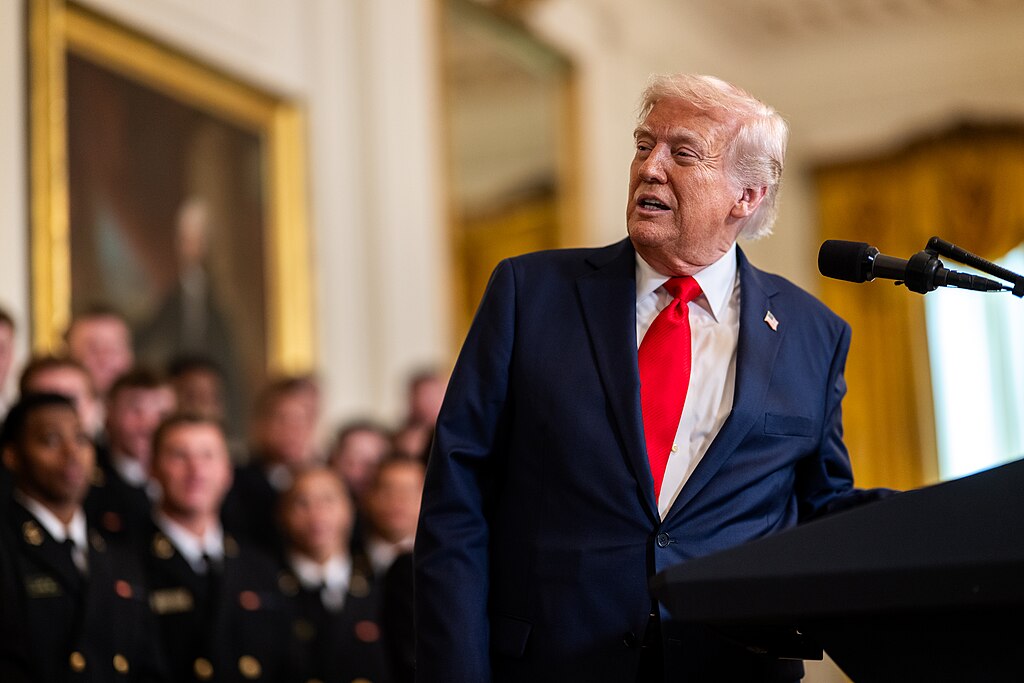
U.S. President Donald Trump has halted the deportation of hundreds of South Korean workers arrested in an immigration raid at a Hyundai-LG battery plant in Georgia, according to the Financial Times. The move follows backlash from Seoul after U.S. Immigration and Customs Enforcement (ICE) handcuffed and detained 330 South Korean employees in a surprise operation last week.
Trump reportedly instructed officials to “encourage” the detained workers to remain in the U.S. and help train American employees. The workers, originally scheduled to fly back to Seoul on Wednesday, will now stay, with all but one choosing not to return home, according to Yonhap News. South Korean diplomats confirmed that the workers’ flight is now set to depart Atlanta on Thursday with just a single passenger.
The raid sparked anger in South Korea, where officials criticized the treatment of the workers and questioned future U.S. investments. President Lee Jae Myung expressed concerns over continuing large-scale funding, despite a recent agreement committing South Korean companies to invest hundreds of billions of dollars in the U.S.
Trump has emphasized that while foreign companies are welcome, they must follow U.S. immigration laws and bring in employees legally. His administration has intensified enforcement against businesses hiring undocumented workers. Earlier this week, Trump’s border czar Tom Homan vowed more raids targeting employers suspected of hiring “illegal aliens.”
This policy aligns with Trump’s broader crackdown on immigration, which includes cutting federal funds to sanctuary cities and expediting deportations. Despite tensions, reports suggest Washington and Seoul are now exploring a new visa category tailored for Korean workers, potentially easing future disputes.
The Hyundai-LG raid underscores the delicate balance between U.S. immigration enforcement and maintaining strong economic partnerships with key allies like South Korea.







