


 Netanyahu’s Brief US Trip Highlights Strains With Trump
  Abbas Reaffirms November 28 Palestinian Elections
  Yemen Violence Displaces 130,000 as Civilian Toll Rises
  Mexico-US Trade Talks Delayed to October as Tariff Negotiations Continue
  What ‘Taiwan Independence’ Means as Xi Presses Trump on US Policy
  Kremlin Says No Decision Yet on Putin-Trump December Summit
  EU Defence Build-Up Too Slow for 2030 Russia Readiness Goal
  Russian Missile and Drone Attack on Kyiv Kills Two, Damages Maternity Hospital
  Trump Asks Supreme Court to Restore Third-Country Deportations
  US Senate Rejects Iran War Powers Resolution in 50-49 Vote
  North Korea Rejects Nuclear Test Warning, Calls Nuclear Status Irreversible
  Judge Orders Trump to Restore White House Access for CNN, MS NOW and Politico
  Taiwan Thanks US for Support Ahead of Trump-Xi Summit
  Najib Razak Seeks Stay of 15-Year 1MDB Prison Sentence
  Saudi Arabia, Turkey and Pakistan Plan Urgent Defence Talks Over Houthi Attacks
  US Backs Musk in Fight Against EU’s €120 Million X Fine
  Sudan Rejects US Legitimacy Remarks, Defends Sovereignty


 Add as a preferred source on Google
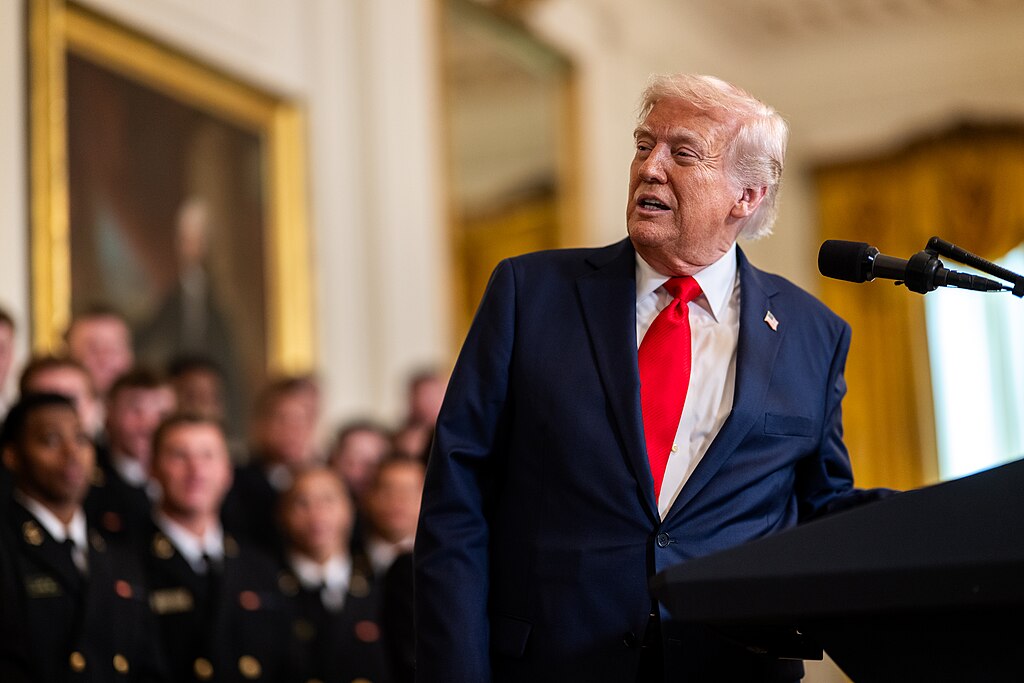
U.S. President Donald Trump announced on Thursday that he is supporting the establishment of a newly appointed Palestinian Technocratic Government to oversee the administration of Gaza during a transitional period, a statement that has quickly drawn international attention. In a post shared on his Truth Social platform, Trump said the initiative is aimed at promoting long-term stability, governance reform, and a peaceful future for the Gaza Strip.
Trump described himself as the “Chairman of the Board of Peace” and said he is backing the National Committee for the Administration of Gaza, a technocratic body composed of Palestinian leaders selected for their professional expertise rather than political affiliations. According to Trump, the committee will be supported by the Board’s High Representative and tasked with governing Gaza as it undergoes a critical transition phase following prolonged conflict and humanitarian challenges.
In his statement, Trump emphasized that the Palestinian technocratic leaders involved are “unwaveringly committed to a peaceful future,” highlighting their focus on reconstruction, civil administration, and improving living conditions for Gaza’s population. He framed the move as part of a broader effort to reduce violence, encourage responsible governance, and create conditions that could support future diplomatic progress in the Israeli-Palestinian conflict.
The announcement comes amid ongoing debates over Gaza’s post-war governance and the role of international actors in shaping its political future. A technocratic government, typically made up of non-partisan experts, is often viewed as a potential interim solution to manage essential services, oversee rebuilding efforts, and prepare the groundwork for longer-term political arrangements.
Trump’s comments did not provide detailed information on how the National Committee for the Administration of Gaza would be formed, funded, or recognized by regional and international stakeholders. However, his public endorsement signals continued interest in Middle East peace initiatives and post-conflict governance models.
As discussions around Gaza’s future intensify, Trump’s backing of a Palestinian technocratic government adds a new dimension to the conversation, raising questions about international support, local acceptance, and the practical steps needed to translate the proposal into reality.







