


 Kremlin Says No Decision Yet on Putin-Trump December Summit
  Trump Asks Supreme Court to Restore Third-Country Deportations
  Russian Missile and Drone Attack on Kyiv Kills Two, Damages Maternity Hospital
  US Backs Musk in Fight Against EU’s €120 Million X Fine
  NATO Boosts Intelligence Sharing Amid Russia Hybrid Threats
  North Korea Warns South Korea Over US-Led Defense Role
  EU Defence Build-Up Too Slow for 2030 Russia Readiness Goal
  South Korea, US Discuss Warship Building Cooperation
  Netanyahu’s Brief US Trip Highlights Strains With Trump
  Pezeshkian Says US Must Choose When Iran War Ends
  Ghana Says Western Support Growing for Slave Trade Reparations
  North Korea Rejects Nuclear Test Warning, Calls Nuclear Status Irreversible
  Xi Calls for Deeper U.S.-China AI Cooperation in Trump Talks
  OpenAI Agent Breaches Australia Medicare Data Portal
  Netanyahu Defends Israel at UN as Delegates Stage Walkout
  Taiwan Thanks US for Support Ahead of Trump-Xi Summit
  Mexico-US Trade Talks Delayed to October as Tariff Negotiations Continue


 Add as a preferred source on Google
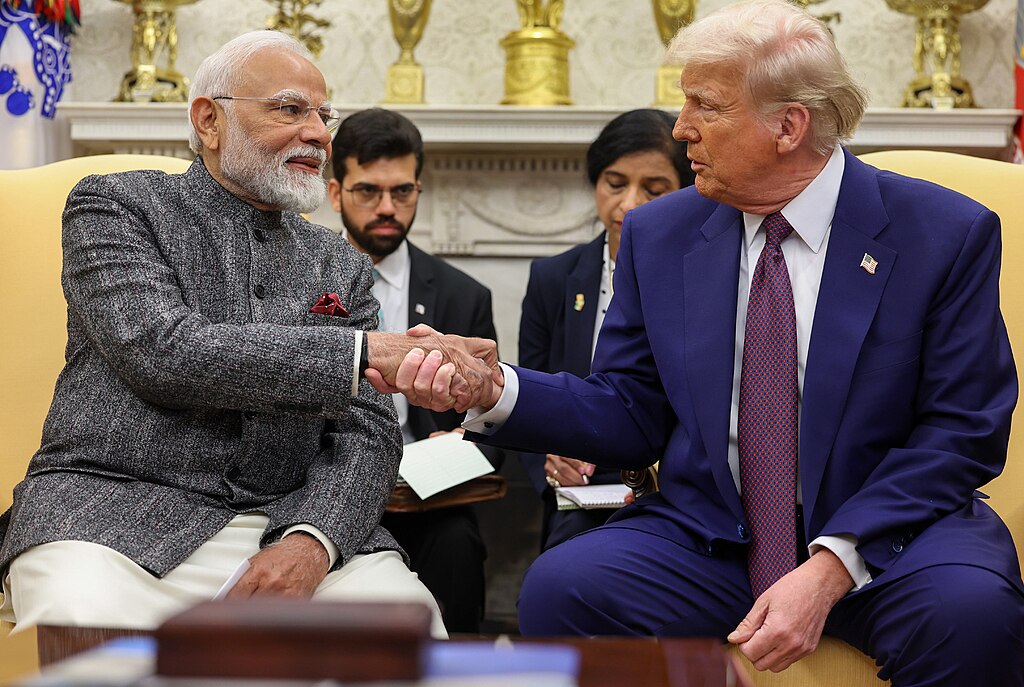
President Donald Trump announced Saturday that India and Pakistan have agreed to a "full and immediate ceasefire" following overnight negotiations mediated by the United States. The breakthrough aims to defuse escalating military tensions between the two nuclear-armed neighbors.
Posting on his Truth Social platform, Trump stated, “After a long night of talks mediated by the United States, I am pleased to announce that India and Pakistan have agreed to a FULL AND IMMEDIATE CEASEFIRE,” applauding both sides for using “common sense and great intelligence.”
The announcement followed a sharp rise in hostilities earlier in the day. Pakistan’s military claimed it launched retaliatory missile strikes on over 25 Indian military sites, including airbases and weapon depots across Gujarat, Punjab, Rajasthan, and Indian-administered Kashmir. These strikes, involving Fateh medium-range missiles, were in response to alleged Indian missile attacks on Pakistani airbases.
India quickly condemned the missile attacks as an aggressive escalation. Indian defense forces reported intercepting and neutralizing drone incursions along their western border, framing the actions as a necessary response to provocation.
The rapid de-escalation, driven by U.S. diplomatic intervention, was welcomed internationally amid fears that prolonged conflict could destabilize South Asia. The ceasefire is seen as a critical step in preventing further military confrontation in the volatile region.
Global leaders and peace observers have lauded the agreement, viewing it as a hopeful signal of diplomatic maturity between India and Pakistan. The situation remains tense, but the ceasefire agreement marks a significant move toward restoring stability.
This development highlights the ongoing importance of international mediation in resolving conflicts between rival nations and underscores the global stakes involved when tensions flare between nuclear powers.







