


 North Korea Warns South Korea Over US-Led Defense Role
  Saudi Arabia, Turkey and Pakistan Plan Urgent Defence Talks Over Houthi Attacks
  Netanyahu’s Brief US Trip Highlights Strains With Trump
  EU Defence Build-Up Too Slow for 2030 Russia Readiness Goal
  Sudan Rejects US Legitimacy Remarks, Defends Sovereignty
  Netanyahu Defends Israel at UN as Delegates Stage Walkout
  Netanyahu Takes Aim at Mamdani as Israel Election Nears
  Abbas Reaffirms November 28 Palestinian Elections
  Xi Calls for Deeper U.S.-China AI Cooperation in Trump Talks
  France Defends Netanyahu Airspace Clearance Despite ICC Warrant
  Judge Orders Trump to Restore White House Access for CNN, MS NOW and Politico
  Najib Razak Seeks Stay of 15-Year 1MDB Prison Sentence
  Taiwan Thanks US for Support Ahead of Trump-Xi Summit
  Ukrainian Drone Attacks Hit Russian Regions, Injuring at Least 12
  US Senate Rejects Iran War Powers Resolution in 50-49 Vote
  Russian Missile and Drone Attack on Kyiv Kills Two, Damages Maternity Hospital
  Trump, Xi Focus on Trade and AI at White House Summit


 Add as a preferred source on Google
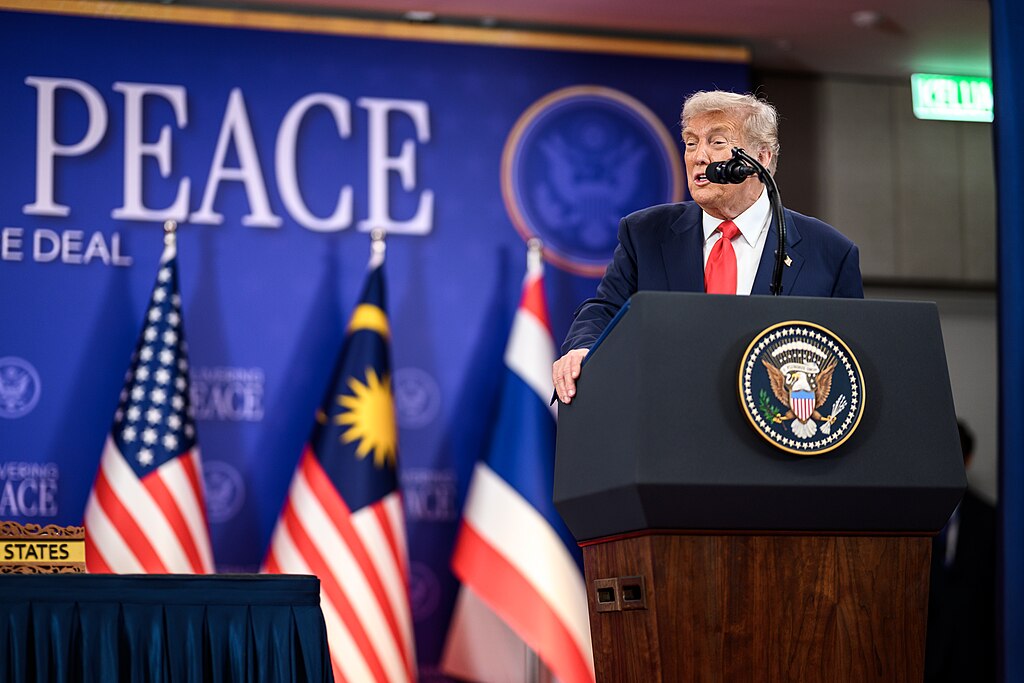
U.S. President Donald Trump announced on Monday an ambitious proposal for the United States Navy to begin building a new class of advanced battleships, a move that could significantly reshape the future of American naval power. According to Trump, the proposed warships would be larger, faster, and exponentially more powerful than any warship ever built by the United States, marking a dramatic leap in military capability.
Speaking about the plan, Trump said the new battleships would be “100 times more powerful” than existing U.S. naval vessels, emphasizing cutting-edge technology, enhanced firepower, and superior speed. The initiative would reportedly begin with the construction of two battleships, serving as the foundation for what could eventually expand into a fleet of 20 to 25 new vessels. If implemented, the project would represent one of the most significant naval expansion efforts in modern U.S. history.
The announcement aligns with Trump’s long-standing focus on strengthening the U.S. military and restoring what he has often described as America’s dominance on the global stage. He has repeatedly argued that investing heavily in defense infrastructure is essential to maintaining national security and deterring potential adversaries. The proposed battleships would likely incorporate advanced weapons systems, next-generation propulsion technology, and enhanced defensive capabilities to counter emerging threats.
While the plan has generated attention for its scale and ambition, it also raises questions about cost, feasibility, and strategic necessity. Modern naval warfare has largely shifted toward aircraft carriers, submarines, and unmanned systems, leading some defense experts to debate the role of traditional battleships in today’s military landscape. However, proponents argue that a new, technologically superior class of battleships could provide unmatched firepower and serve as a powerful symbol of U.S. military strength.
As details remain limited, the proposal is expected to spark further discussion among lawmakers, defense analysts, and military leaders. If approved and funded, the project could have long-term implications for the U.S. defense industry, job creation, and America’s position in global maritime security.







