


 Xi Calls for Deeper U.S.-China AI Cooperation in Trump Talks
  Mexico-US Trade Talks Delayed to October as Tariff Negotiations Continue
  Russian Missile and Drone Attack on Kyiv Kills Two, Damages Maternity Hospital
  Kremlin Says No Decision Yet on Putin-Trump December Summit
  What ‘Taiwan Independence’ Means as Xi Presses Trump on US Policy
  North Korea Warns South Korea Over US-Led Defense Role
  Yemen Violence Displaces 130,000 as Civilian Toll Rises
  Trump Asks Supreme Court to Restore Third-Country Deportations
  US Backs Musk in Fight Against EU’s €120 Million X Fine
  Ghana Says Western Support Growing for Slave Trade Reparations
  Trump, Xi Visit US National Archives After White House Summit
  Ukrainian Drone Attacks Hit Russian Regions, Injuring at Least 12
  EU Defence Build-Up Too Slow for 2030 Russia Readiness Goal
  Judge Orders Trump to Restore White House Access for CNN, MS NOW and Politico
  North Korea Rejects Nuclear Test Warning, Calls Nuclear Status Irreversible
  Netanyahu Takes Aim at Mamdani as Israel Election Nears
  Abbas Reaffirms November 28 Palestinian Elections


 Add as a preferred source on Google
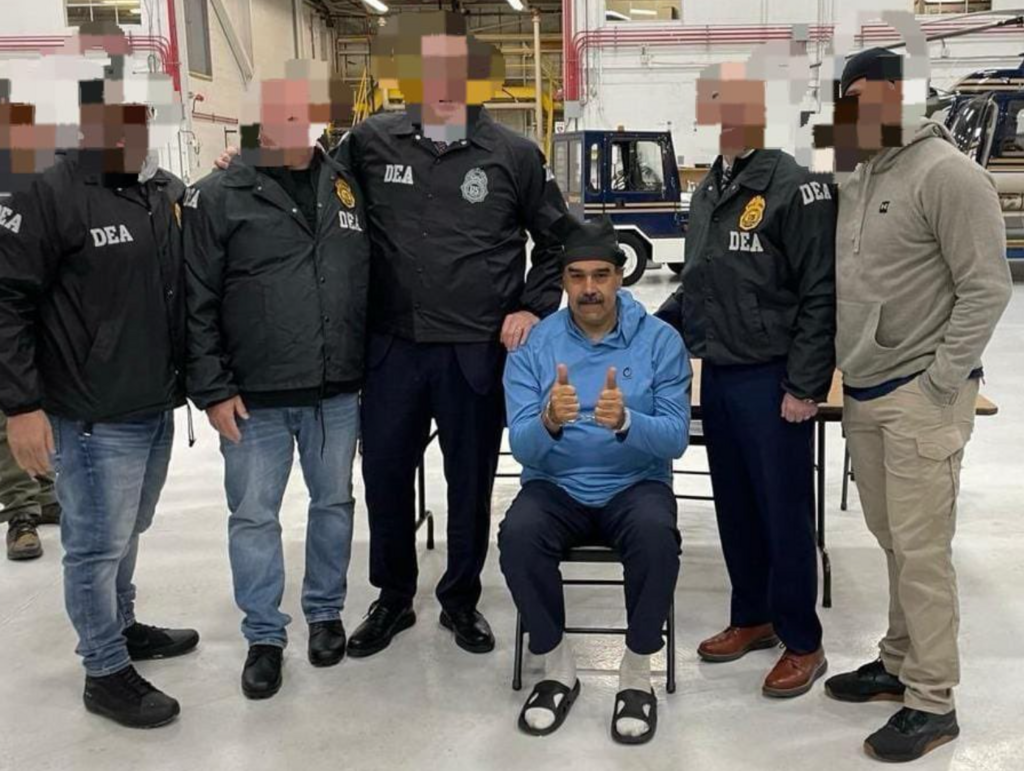
The Trump administration has reportedly intensified pressure on key Venezuelan power brokers following the removal of longtime leader Nicolas Maduro, signaling a hardline approach to shaping a post-Maduro transition. According to people familiar with U.S. deliberations, Washington has warned Diosdado Cabello, Venezuela’s influential interior minister and a figure accused of serious human rights abuses, that he could become a top U.S. target unless he cooperates with American demands and helps maintain order during a fragile transition period.
Cabello, a staunch Maduro loyalist with deep influence over Venezuela’s security forces, is seen by U.S. officials as both a temporary necessity and a potential risk. While the administration believes certain members of Maduro’s inner circle may be best positioned to prevent chaos, officials are wary that Cabello could undermine Interim President Delcy Rodriguez, whom Washington views as central to ensuring short-term stability. U.S. intermediaries have allegedly warned Cabello that defiance could lead to prosecution similar to Maduro’s or even put his personal safety at risk.
The United States is also closely watching Defense Minister Vladimir Padrino, another sanctioned official facing drug trafficking indictments. American officials consider Padrino’s cooperation critical because of his command of the armed forces and believe he may be more pragmatic and open to negotiating a safe exit. Preventing a power vacuum and widespread unrest, including potential violence from pro-government colectivos, is a top priority for Washington as it seeks to avoid deploying U.S. ground troops.
At the same time, U.S. officials have expressed doubts that Venezuela’s opposition could maintain public order during a transition. Instead, the administration has leaned on intelligence assessments suggesting that former Maduro allies are better positioned to govern temporarily. This approach is driven in part by U.S. strategic interests, including curbing illegal migration, disrupting drug trafficking, and reopening Venezuela’s oil sector to U.S. companies.
Delcy Rodriguez is viewed as a key intermediary willing to engage with Washington on economic and security issues. U.S. demands reportedly include expelling Cuban security forces, ending cooperation with Iran, cracking down on narcotics trafficking, and liberalizing the oil industry. While the administration has stated that new elections remain a long-term goal, critics argue the strategy amounts to heavy-handed foreign influence and raises serious questions about international law and regional stability.







