


 US Senate Approves War Powers Resolution Urging Trump to End Iran Military Action
  U.S. Launches Trade Investigation Into Germany’s Pharmaceutical Cost-Cutting Plans
  Ryan Cohen Rejects GameStop Pay Package, Prepares New eBay Acquisition Plan
  US Delivers $13M Autonomous Maritime Drones to Philippines
  RFK Jr. Orders Extended Hantavirus Quarantine for Cruise Passenger
  US Sanctions Cuban President Miguel Diaz-Canel and Key Officials Amid Rising Tensions
  Nissan Halts Electric Qashqai Development Amid EV Market Challenges
  Crimea Power Outage After Ukrainian Drone Attack, Russian Authorities Say
  U.S. Eases Iran Team Travel Restrictions Ahead of Seattle World Cup Match
  Tencent Reviews Marvelous Stake as Gaming Giant Reassesses Global Investment Strategy
  Alphabet Replaces Verizon in Dow Jones Industrial Average
  FedEx Stock Drops After Weak 2026 Earnings Forecast Despite Strong Q4 Results
  ICC Judges Sue Trump Administration Over Sanctions, Calling Measures Unlawful
  KPMG Australia Chairman and Senior Partners Exit Amid Escalating Whistleblower Scandal
  Andy Burnham Emerges as Favorite After Keir Starmer Resigns
  Russia-Ukraine War: Fresh Strikes Injure Civilians as Fuel Crisis Worsens in Russia
  Tesla and NatPower Partner on $5 Billion Battery Storage Expansion in Europe


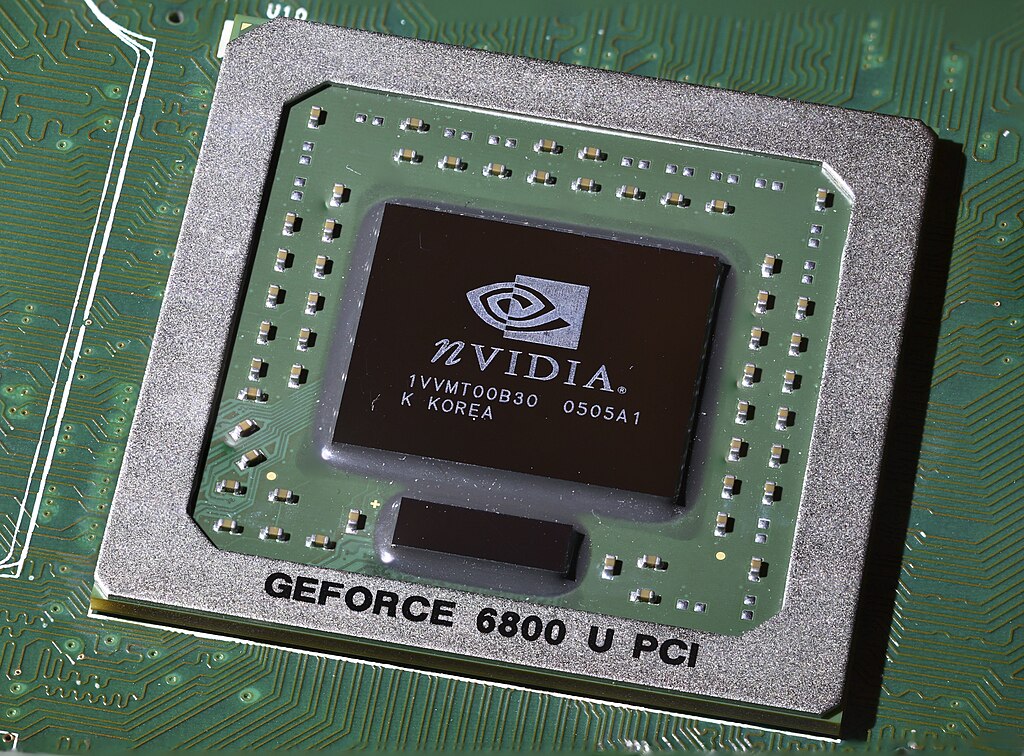
The Trump administration has officially approved the sale of Nvidia’s H200 artificial intelligence chips to China, marking a major shift in U.S. export policy and reigniting debate over national security and global AI competition. The decision allows shipments of Nvidia’s second most powerful AI chips to Chinese customers, but only under newly established regulatory conditions designed to limit potential risks.
Under the new rules, all China-bound H200 chips must undergo review by a third-party testing laboratory to verify their AI capabilities before export approval. Additionally, China will be restricted to receiving no more than 50% of the total number of H200 chips sold to U.S. customers. Nvidia is also required to certify that sufficient chip supply remains available within the United States, while Chinese buyers must demonstrate adequate security safeguards and formally commit to not using the chips for military or defense-related purposes. These conditions had not existed in earlier export frameworks.
The announcement follows President Donald Trump’s statement last month that the U.S. would allow the chip exports in exchange for a 25% fee paid to the federal government. The move drew criticism from lawmakers and national security experts who argue that advanced AI chips like the H200 could significantly enhance China’s military and artificial intelligence capabilities, potentially narrowing the U.S. technological edge.
Industry analysts note that while the export caps appear to be a compromise, enforcing them may prove difficult. Chinese companies have reportedly placed orders for more than two million H200 chips, far exceeding Nvidia’s current inventory of approximately 700,000 units. Each chip is priced around $27,000, highlighting the scale of demand and the financial stakes involved.
Nvidia CEO Jensen Huang recently stated that production of H200 chips is ramping up amid strong global demand, including from China, which has driven up cloud computing rental prices for the chips. Supporters within the administration argue that allowing controlled exports could discourage Chinese firms, such as Huawei, from accelerating development of rival advanced chip technologies.
Despite assurances that the exports will proceed under conditions that protect U.S. national security, questions remain about enforcement, long-term policy consistency, and whether China will impose its own restrictions on domestic use. The decision underscores the growing tension between economic interests, AI leadership, and geopolitical strategy in the global semiconductor market.







