


 SpaceX Starship V3 Test Flight Boosts IPO Momentum Ahead of Historic Market Debut
  Kentucky School District Secures $27 Million in Social Media Addiction Lawsuit Settlements
  Marvell Stock Rises After Record Q1 FY2027 Earnings Fueled by AI Demand
  Snowflake Stock Soars 30% After Q1 Earnings Beat and Major AWS AI Partnership
  Dell Raises 2027 Revenue Forecast as AI Server Demand Drives Record Quarterly Results
  Elon Musk Explores Possible Tesla-SpaceX Merger Amid Growing AI Investments
  Lam Research Expands AI-Powered Semiconductor Tools and Arizona Operations
  Macquarie Names Five Taiwan AI Stocks Set to Benefit From Data Center Growth in 2026
  SpaceX IPO Hype Raises Questions as Many Major Stock Debuts Underperform Market
  Xiaomi Shares Drop After Weak Q1 Earnings Amid Rising Smartphone Costs
  SK Hynix Joins $1 Trillion Club as AI Chip Demand Fuels Stock Surge
  Meta AI Push Could Add $26 Billion in Revenue by 2027, Wolfe Research Says
  Blue Origin New Glenn Rocket Explodes During Launch Pad Test, Delaying Space Ambitions
  SpaceX Delays Starship V3 Launch Ahead of Potential Record IPO
  Samsung Workers Approve Wage Deal, Avoiding Major Strike and Boosting Chip Supply Confidence
  Autodesk Beats Q1 Estimates, Acquires MaintainX for $3.6 Billion


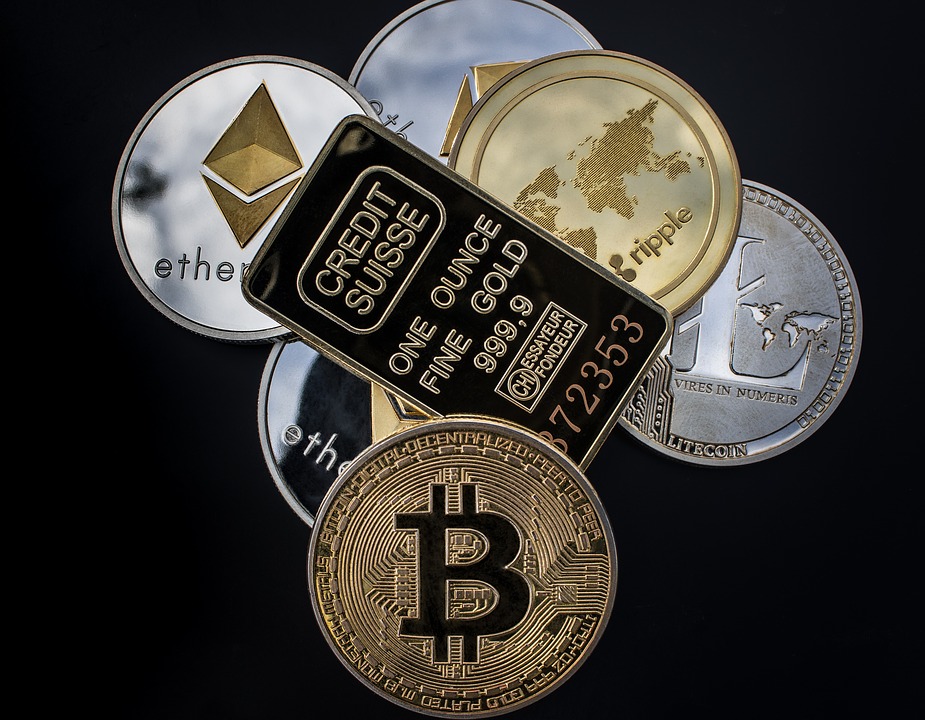
The surge and drop of the crypto industry are so inconsistent that an investor could lose hundreds of thousands of dollars in mere months. Conversely, that investment can double or triple in the same span of time. Bitcoin, for instance, was valued at about $19,000 in December 2017 but has now dipped to about $7,000.
Because of this, traditional investors are wary of committing money to the market since its volatility poses a huge risk. However, there are people who see this volatility as a source of adrenaline. And those people are gamblers.
Crypto addicts – as they’re called – aren’t determined quite yet since the rise of cryptocurrency is relatively new. Despite this, organizations are setting up treatments for those hooked on this high-risk, high-reward investment.
Among the first centers to offer such treatment is located at the Scottish Borders. To be precise, the treatment will be overseen by the Castle Craig Hospital in Peeblesshire where addicts can learn to cope with their gambling issues.
Experts are seeing similar behavior in traditional gamblers and crypto addicts, with the latter monitoring the rise and fall of crypto value in a consistently unhealthy way. As such, treatment for crypto addiction will follow a somewhat similar process for those addicted to gambling.
“The high risk, fluctuating cryptocurrency market appeals to the problem gambler. It provides excitement and an escape from reality. Bitcoin, for example, has been heavily traded and huge gains and losses were made. It’s a classic bubble situation,” gambling therapist Chris Burn said.
Therapist Tony Marini will lead the treatment at Castle Craig Hospital. Marini, a former gambling and cocaine addict himself, said that his experience will be vital in helping these addicts recover from their issues and return to their normal lives.
“Having been through it myself, my experience of addiction gives me insight and empathy towards others who have the same problem,” Marini said. “I see cryptocurrency trading as a way for people to escape from themselves, into another world, because they don’t like the world they’re in.”
Marini added that the first steps of the process will involve introducing an individual to a group of recovering addicts. This, in turn, will help them feel they’re not alone in what they’re facing and aid them by drawing strength with the others who are trying to regain control of what they lost.







