


 Fonterra Admits Anchor Butter "Grass-Fed" Label Misled Consumers After Greenpeace Lawsuit
  Microsoft Eyes $7B Texas Energy Deal to Power AI Data Centers
  First Western Ship Transits Strait of Hormuz Since Iran War Began
  Microsoft's $10 Billion Japan Investment: AI Infrastructure and Data Sovereignty Push
  TSMC Japan's Second Fab to Produce 3nm Chips by 2028
  Russell 1000 Companies Hit $2.2T Cash Record While Aggressively Reinvesting in Growth
  Star Entertainment Secures $390M Refinancing Deal to Stabilize Operations
  Trump Administration Plans 100% Tariffs on Pharmaceutical Imports
  RBC Capital: European Medtech Firms Show Minimal Middle East and Energy Risk Exposure
  Luxury Car Sales in the Middle East Take a Hit Amid Iran War
  SoftwareONE Posts 22.5% Revenue Surge in 2025 on Crayon Acquisition
  UAE's Largest Natural Gas Facility Suspended After Attack-Triggered Fire
  OpenAI Executive Shake-Up Ahead of Anticipated 2026 IPO
  Tesla Q1 2026 Deliveries Miss Estimates as AI Strategy Takes Center Stage
  CTOC Adds 3,000 Doctors, 500 Hospitals Ahead of Liquidity Push
  SpaceX Eyes Historic IPO at $1.75 Trillion Valuation
  Annie Altman Amends Sexual Abuse Lawsuit Against OpenAI CEO Sam Altman


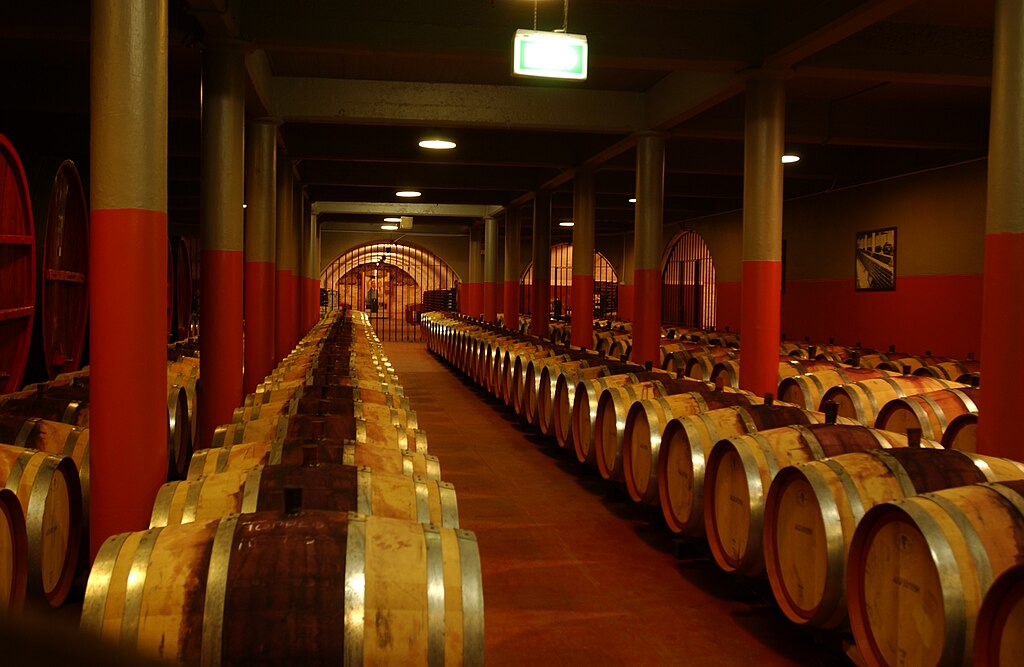
Treasury Wine Estates (ASX:TWE), the global producer behind premium brands like Penfolds and Wolf Blass, saw its shares tumble to a decade low on Monday after the company scrapped its fiscal 2026 earnings forecast. The wine giant attributed the move to slowing demand in China and ongoing challenges in its U.S. operations.
The Sydney-listed stock plunged as much as 14.2% to A$5.99, marking its lowest point since September 2015. The drop came after Treasury Wine announced it no longer viewed its previous “low to mid double-digit” earnings growth projection for fiscal 2026 as realistic.
According to preliminary figures, sales of the company’s flagship Penfolds brand in China underperformed expectations despite modest improvement in September. Weaker consumer demand persisted through the Mid-Autumn Festival period, a traditionally strong sales window for luxury wines. The disappointing figures highlight the continued volatility in China’s premium wine market following recent economic headwinds.
In the United States, Treasury Americas also struggled due to a distributor transition in California. The company is currently negotiating a settlement with former distributor Republic National Distribution Company, with unresolved issues around inventory treatment potentially weighing further on shipments and revenue in the current fiscal year.
Adding to investor unease, Treasury Wine Estates announced a pause on its A$200 million share buyback program, pending greater visibility on trading conditions and global demand trends.
The setback underscores the mounting pressure facing international wine producers amid shifting global consumption patterns and economic uncertainty. Analysts suggest Treasury Wine may need to recalibrate its growth strategy as it navigates slower recovery in China and operational challenges in the U.S., its two largest export markets.







