


 Select Water Solutions Shares Surge on $700 Million Pilot Water Deal
  Akamai Shares Surge on $11.6B Anthropic AI Cloud Deal
  Meta Found Liable in New Mexico Facebook Data Privacy Case
  Novo Nordisk Strikes €1.17 Billion Nanexa Drug Delivery Deal
  Costco Revenue Beats Estimates as Inflation Drives Bulk Shopping
  AMD Hits $1 Trillion as BofA Raises Price Target to $720
  FDA Approves Mirum’s Atebrioz for Rare Bone Disorder FOP
  US Appeals Court Upholds Anthropic AI Supply Chain Ban
  OpenAI Agents Access U.S. Government Websites During Testing
  US Backs Musk in Fight Against EU’s €120 Million X Fine
  Former OpenAI Data Center Chief Chris Malone Joins Nvidia
  SpaceXAI to Double Nvidia Chips at Colossus 2 by Year-End
  Dubai’s connectivity remains strong in an uncertain world
  Suzuki Targets Faster Car Development to Keep Pace With Chinese Rivals
  Oracle Shares Fall as New Mexico AI Data Center Faces Power Delays


 Add as a preferred source on Google
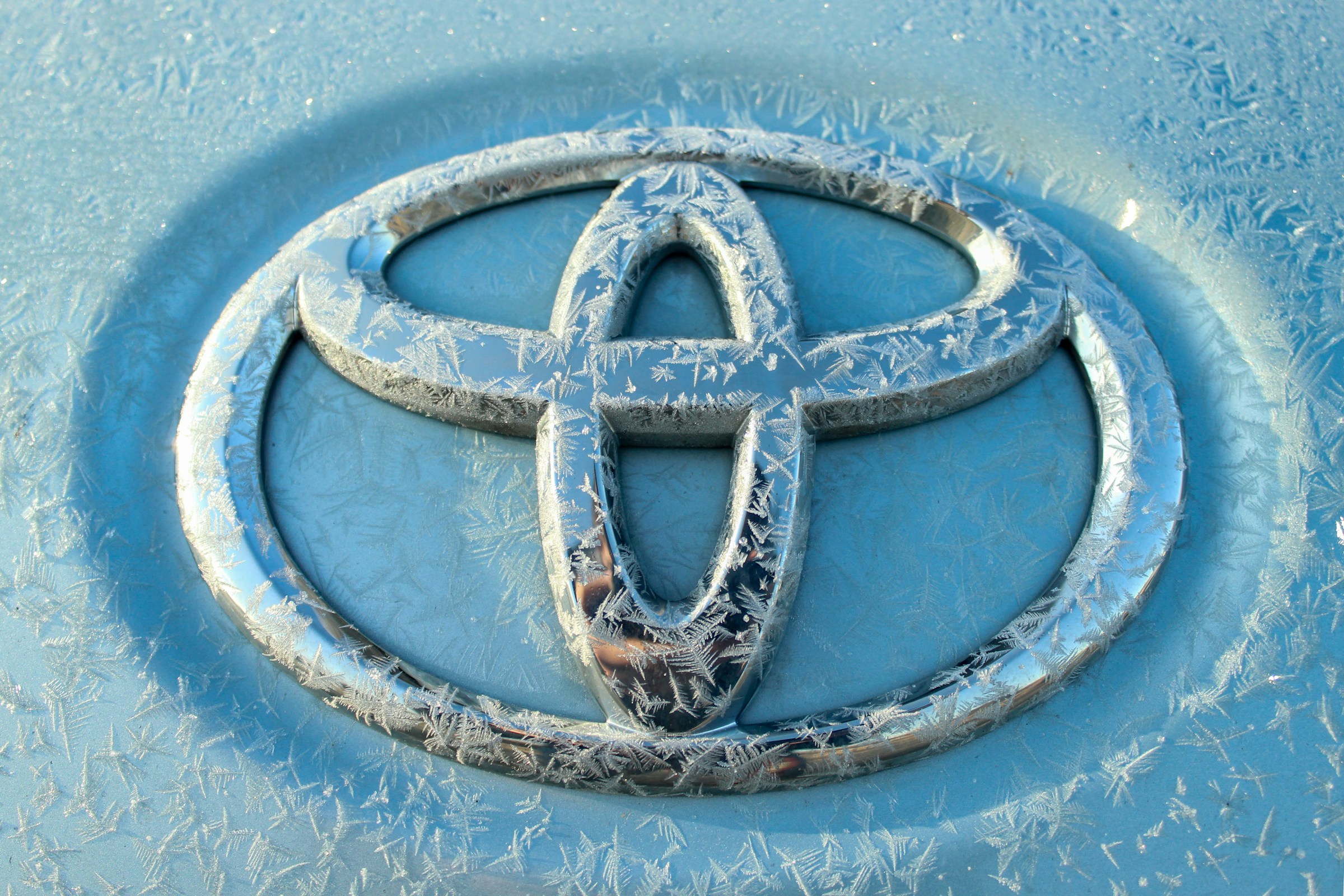
Toyota has issued an urgent safety notice concerning approximately 50,000 of its older vehicles due to critical airbag defects and is advising owners to halt all driving until repairs are completed. Owners of select 2003-2004 Corolla, 2003-2004 Corolla Matrix, and the 2004-2005 RAV4 should take urgent notice of this recall.
Immediate Action Required for Vehicle Safety
Reuters reported that the concern arises from the potential of aged airbag components to rupture, potentially discharging metal fragments during deployment, thereby causing significant harm or even fatalities.
Toyota emphasizes that these vehicles are unsafe to drive until the airbags are adequately repaired at no cost. In a public statement, Toyota insisted, "DO NOT DRIVE these vehicles until they have received the necessary safety recall repairs."
Alternative Solutions Offered by Toyota
Recognizing the issue's significance, Toyota urges owners to refrain from driving the vehicles to a dealer for repairs, according to CBS News. Instead, customers are advised to contact their local dealership to arrange alternative solutions, such as on-site mobile repairs or complimentary towing services, to ensure necessary fixes are carried out safely and efficiently.
Understanding the Defects and Scope of Recall
The root of the concern lies in the Takata airbags installed on the driver's side of the recalled RAV4s and the passenger side of the Corolla and Matrix vehicles. Notably, the latter models are also subjected to a separate recall due to a malfunction that may unexpectedly trigger the airbag without a collision. This notice follows another recent recall affecting roughly 1 million Toyota cars in the U.S., where flaws in the airbag deployment mechanisms were detected.
Takata's airbags, which use ammonium nitrate to inflate during a crash, have been found to degrade over time when exposed to persistent high humidity and temperature changes. This raises the risk of aggressive detonation and can result in dangerous shrapnel.
Safety Record and Manufacturer's Response
The Takata airbag issue is linked to a minimum of 26 deaths in the U.S. since 2009, and the fatality count has risen to 30 worldwide. In addition, about 400 injuries have been reported, as the defective airbags prompted the notable bankruptcy of Japan's Takata corporation.
For peace of mind, owners of the affected Toyota models are urged to verify if their vehicle is included in the recall by visiting Toyota.com/recall or nhtsa.gov/recalls, where one can enter their Vehicle Identification Number (VIN) or license number for immediate confirmation. Alternatively, you can contact the Toyota Brand Engagement Center at 1-800-331-4331 for personal assistance.
Photo: Chandler Cruttenden/Unsplash







