


 NASA Artemis II: First Crewed Moon Mission Since Apollo Takes Four Astronauts on 10-Day Lunar Journey
  Reflection AI Eyes $25 Billion Valuation in Massive $2.5 Billion Funding Round
  MATCH Act Targets ASML and Chinese Chipmakers in New U.S. Export Crackdown
  Meta Ties Executive Pay to Aggressive Stock Price Targets in Major Retention Push
  Meta and Google just lost a landmark social media addiction case. A tech law expert explains the fallout
  Microsoft's $10 Billion Japan Investment: AI Infrastructure and Data Sovereignty Push
  SMIC Allegedly Supplies Chipmaking Tools to Iran's Military, U.S. Officials Warn
  SpaceX IPO Filing Expected This Week as Valuation Could Surpass $75 Billion
  Annie Altman Amends Sexual Abuse Lawsuit Against OpenAI CEO Sam Altman
  Britain Courts Anthropic Amid US Defense Department Dispute
  Microsoft Eyes $7B Texas Energy Deal to Power AI Data Centers
  Apple Turns 50: From Garage Startup to AI Crossroads
  California's AI Executive Order Pushes Responsible Tech Use in State Contracts
  Rubio Directs U.S. Diplomats to Use X and Military Psyops to Counter Foreign Propaganda
  Australia's Social Media Ban for Under-16s Sparks Global Movement
  SK Hynix Eyes Up to $14 Billion U.S. IPO to Fund AI Chip Expansion
  NASA's Artemis II Crew Arrives in Florida for Historic Moon Mission


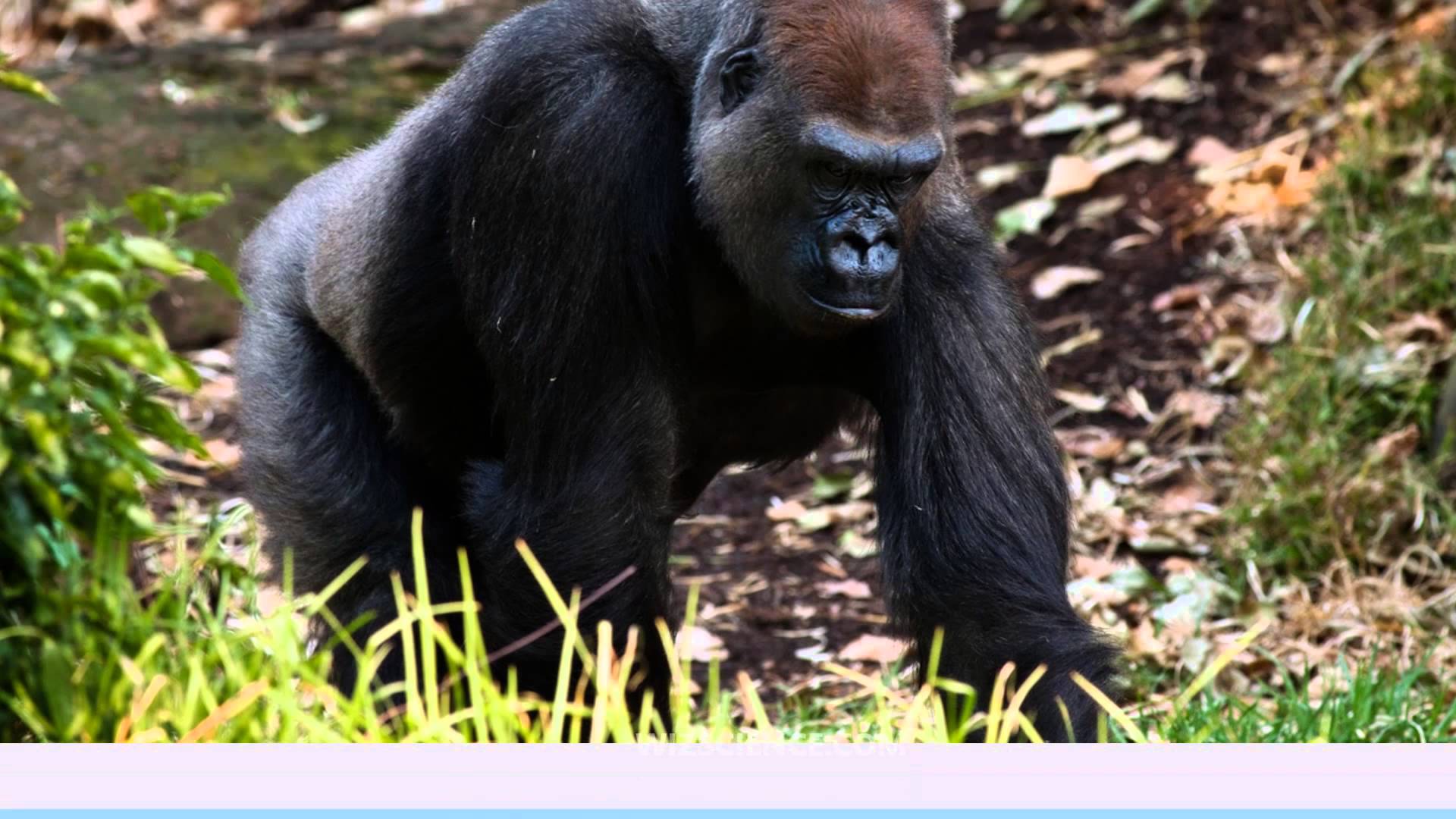
The “Gorilla Glass” by “Corning” is one of the most revered smartphone features in the market, largely due to its reputation for surviving drops that would destroy the screens of smartphones that are made of weaker glass. With the fifth generation of this durable lineup, “Corning” promises the toughest iteration of their product yet.
As Ars Technica reports, “Corning” officially puts the survival odds of the “Gorilla Glass 5” at 80 percent when dropped on uneven surfaces from the height of 1.6 meters. This addresses one of the issues aimed at the “Gorilla Glass 4,” which was incredibly resistant to scratches, but would shatter to pieces when the impact on a hard surface was severe enough.
As a matter of fact, the company behind the glass claims that it is now 4 times more resistant to shattering under this condition than other commercial protective glasses for smart devices in the market. As to which these other glasses “Corning” was talking about, there was no clarification.
Ars Technica could only cite the “Shattershield” display that is currently being used by the “Moto Z Force” as the main competition for “Gorilla Glass,” but the latter has a much larger share of the market. In any case, “Corning” also wanted to address the main concern that smartphone users had when it came to the protective screens of their phones.
Citing a recent study which indicates that as many as 85 percent of smartphone owners have accidentally dropped their devices once a year at least, “Corning” is making the case that aside from a scratch-resistant “Gorilla Glass,” a shatter-proof one is also necessary.
Lauren Goode of The Verge spoke with the vice president and general manager of Corning John Bayne about the tests done with the “Gorilla Glass 5.” Bringing up the matter of dropping devices on their corners or sides, instead of face down, Goode wanted to know what the protective product could offer.
"What will define the performance of the overall device on those types of corner drops is stiffness of the phone design, but also how the glass is packaged," Bayne answered, shifting the responsibility to smartphone makers.







