


 Physicists zoom into the birth of cosmic rainstorms with new CERN study
  UK, Mauritius Seek Diego Garcia Base Deal
  Who should own the knowledge that underpins AI technology?
  Vietnam, US Trade Deal Could Be Signed Soon, To Lam Says
  CNN, MS NOW and Politico Sue Trump Over White House Media Ban
  Trump-Xi Summit Puts Trade Truce and Taiwan in Focus
  China’s robots can run faster than Usain Bolt – now they are being prepared for war
  North Korea Fires Two Ballistic Missiles From Wonsan
  US, Denmark and Greenland Set to Sign Arctic Security Deal
  AI is supercharging money scams – here’s what you can do to protect yourself
  US Plans Two New Military Bases in Greenland Under Arctic Deal
  Europe can’t achieve space sovereignty alone. Here’s why
  Lula Meets Mamdani in New York as Elections Approach


 Add as a preferred source on Google
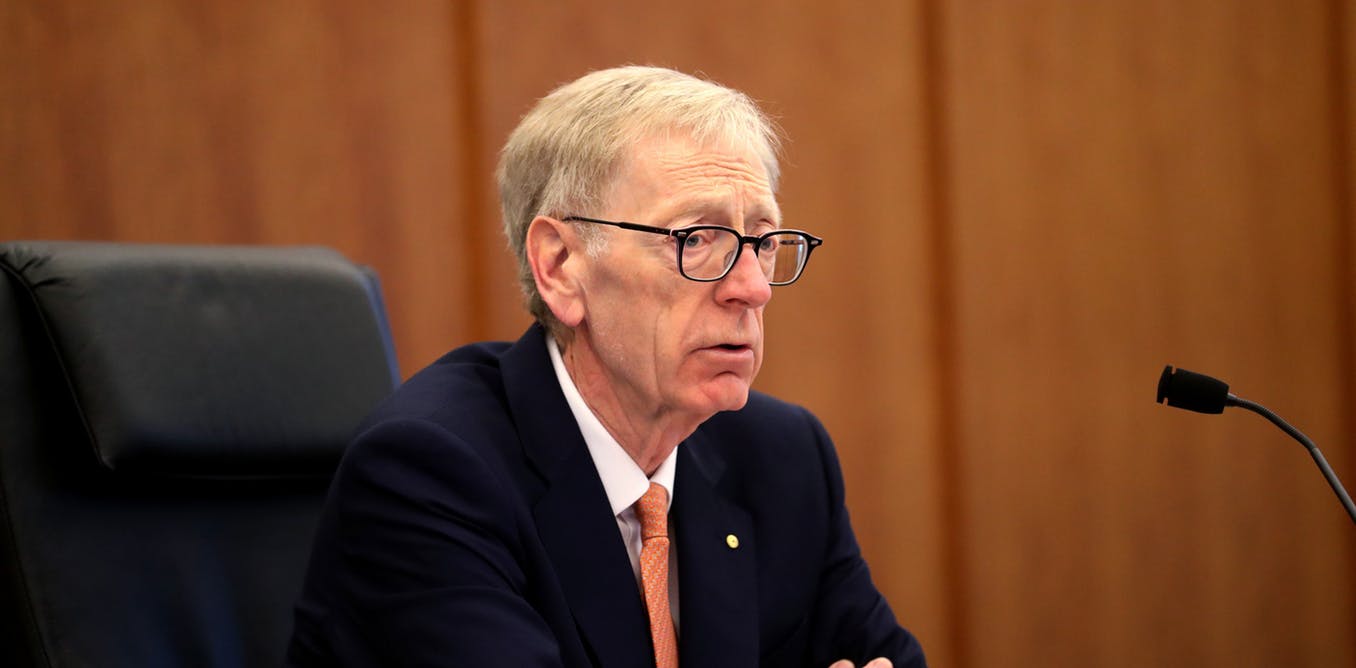



The Financial Services Royal Commission has not only shown that banks and their representatives have behaved appallingly, but that we need better-educated consumers.
It is naive not to expect new schemes will pop up to replace the now (or soon to be) banned practices. There is a clear pattern of repeating unconscionable behaviour in the financial services industry.
Consumers need to be trained to ask the right questions. “How much do I have to pay each week over the life of the loan including (hidden) fees?”, “How much do I have to pay in fees each year?”, and “Why is this right for me rather than right for the bank?”
Being able to answer such questions can help reduce the invariably expensive and imperfect regulation that generally follows inquiries such as the royal commission.
A 20-year-old, let’s call him Mark, just started his first job paying A$45,000 a year. Confidently, he walks into a bank branch, applies and is approved for a A$30,000 car loan within 20 minutes. He wants a new car and isn’t too concerned about the 12.5% annual interest.
Mark states afterwards he didn’t know he could hardly afford the loan. It cost more than A$40,000 over five years. And with other commitments he was in over his head, leaving no room for changes in work, illness, etc.
Should Mark be expected to know? Was he taught any of this? Could he know if he had made some effort, or should the bank have informed him better and been more explicit?
And where does the responsibility sit?
We assumed in the story (loosely related to one heard by the royal commission) that the bank had informed Mark about rates and fees, but had not effectively communicated what this meant in terms of weekly payments or total cost.
For the moment, let’s put aside the primary role of the banks and their representatives - it is their practices on the line and we are not blaming or judging the victims. Neither do we know the client’s individual circumstances.
But, caveats established, how much information must be presented and what can be reasonably expected in terms of the financial literacy level of customers? If the response from the royal commission is increased disclosure, these are the relevant questions.
But this still leaves whether we can be confident that education is being provided so customers can make informed decisions.
Financial literacy is in the National Curriculum and being taught to primary and secondary students. But, given Mark’s age, there is no guarantee he would have received financial literacy education at school.
For the future Marks, financial literacy is now embedded, but coverage remains uneven as what is taught varies by state and school level.
Elsewhere policy is continuing the trend of transferring financial responsibilities from government to individuals, which requires greater financial literacy. For example, the NDIS aims to build a new disability marketplace, requiring important financial decisions from individuals or their representatives.
But the royal commission has clearly shown people suffered by following bad advice or by not questioning numbers sufficiently.
How were 24% p.a. car loans supported by banks and accepted by customers? Were the numbers too abstract and customers didn’t know what 24% a year meant in dollar terms?
Not just new regulation but new education
Better-educated people are better equipped to ask the right questions and make more informed decisions.
We can’t just rely on regulated disclosure - we need to continue to ensure the “simple” questions about the total costs over the life of the loan and whether it’s right for the customer, rather than just the bank, are taught. Teaching consumers to ask these questions, to question the information provided, is important and can enhance the regulation.
Who should provide this education? Not those with a conflict of interest such as financial institutions. If the royal commission tells us one thing it is that incentives matter.
If you are incentivised, or part of an incentivised brand, it may be better you don’t have a role in education. The Dollarmites scandal may not be the biggest scandal this year but it’s emblematic and part of a problem.
Schools, VET and universities can do better and more.
A new round of regulation will create new incentives to avoid it. Regulation tries to catch up and focuses on institutions - here the banks. But new financial technologies mean financial providers don’t look like they used to - for example, new app-based peer-to-peer lenders at your favourite store.
We can’t rely on education alone but we also can’t rely on regulation alone.
Let’s recognise the limitations of regulation as we try to improve outcomes and consider whether some of the money spent on designing and enforcing new regulations may be better spent further educating our future customers.







