


 CNN, MS NOW and Politico Sue Trump Over White House Media Ban
  OpenAI Urges US-Led Global Standards for Frontier AI
  China Vanke Shares Jump as Beijing Moves to Ease Debt Pressure
  ICE Agent Arrested in Minneapolis Over Venezuelan Man Shooting
  Synthetic data could ease people’s concerns about privacy breaches. But who gets to create it?
  Meta Partners With Shopify to Bring Shop Pay Checkout to Muse AI
  Prysmian, Rio Tinto Supply Low-Carbon Cables for Amazon Ohio Data Center
  SpaceX Nasdaq 100 Weight to More Than Double in Rebalance
  Gold Slides to $4,262 as Hawkish Fed Rate Hike Triggers Technical Breakdown
  Physicists zoom into the birth of cosmic rainstorms with new CERN study
  FxWirePro- Crypto Weekly Alpha: ETF Rebounds, L2 Rallies & Key Resistance Levels
  US Court Approves airBaltic Chapter 11 Restructuring


 Add as a preferred source on Google
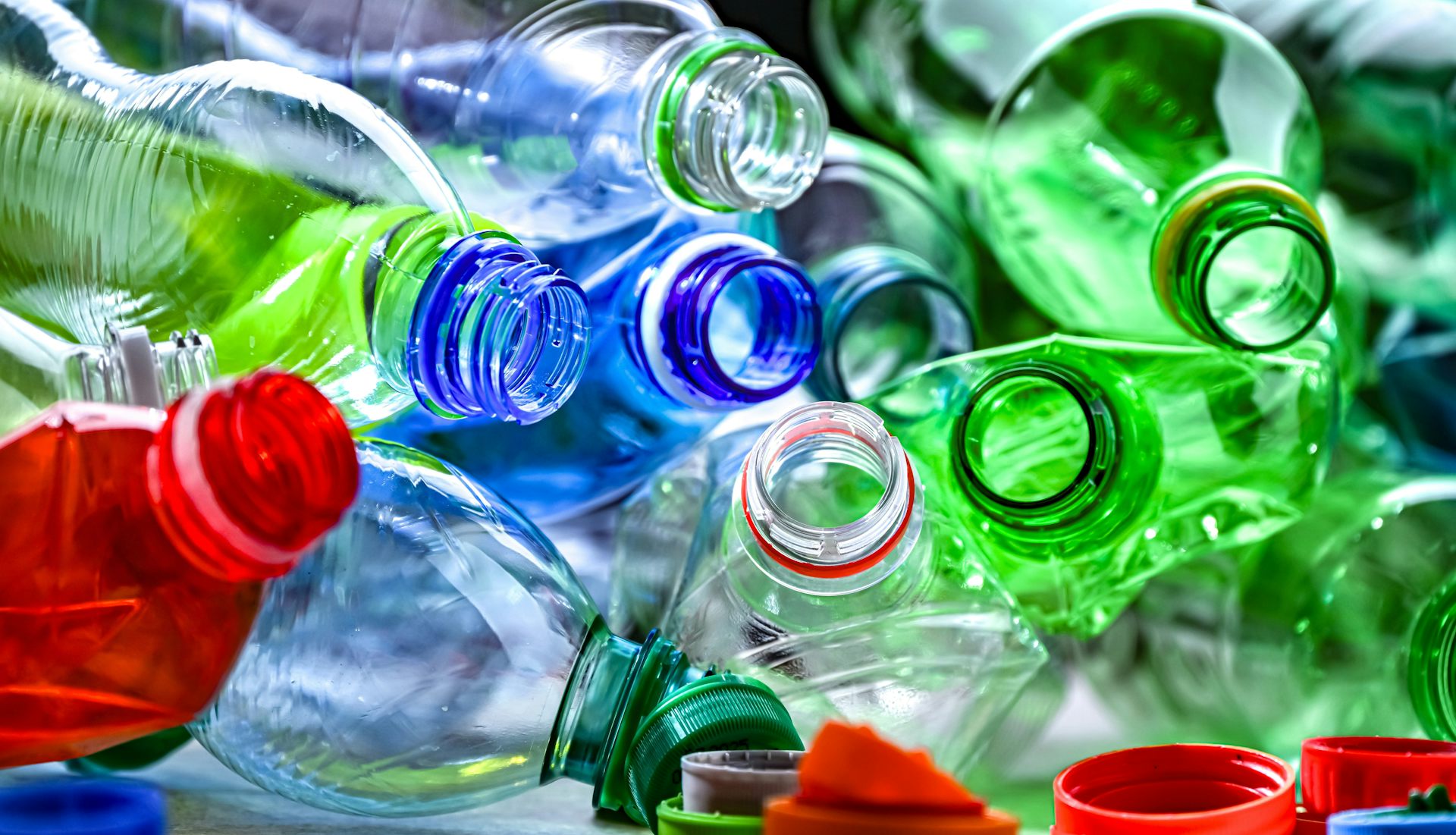

The European Union has banned the use of bisphenol A (BPA). This came into effect with Regulation 2024/3190 in late 2024, but it took over 20 years of scientific study to cut out this silent toxin. BPA slowly enters our bodies at low concentrations, meaning its health effects are not usually discovered until they are serious.
Bisphenol A, or BPA, is an organic compound consisting of two phenolic rings (hence ‘bi’ and ‘phenol’) joined at the centre to a symmetrical propane molecule. It is mainly used in epoxy (a type of polymer), as well as certain other plastics and some polycarbonates.
Its job is to harden plastic material, prevent bacteria from contaminating food, and prevent cans from rusting. However, its uncontrolled and excessive use in packaging has placed it on a long list of compounds that have gone from champions of progress to case studies in environmental harm. Other banned compounds include:
-
Dichloro-diphenyl-trichloroethane (DDT), a component of most insecticides manufactured during the 20th century that has also been used in the control of diseases such as malaria, yellow fever and typhoid. It was found to accumulate in food chains, and its production, use, storage and trade was banned worldwide at the end of the 20th century.
-
Freon, the most widespread of the chlorofluorocarbons (CFCs) that were widely used as refrigerants in the second half of the 20th century. The work of researchers Mario Molina and Frank Sherwood Rowland – which was published in Nature in 1974 and won them a Nobel Prize in 1995 – demonstrated how CFCs were destroying the ozone layer. Their study was instrumental in the signing of the 1987 Montreal Protocol to limit their production and use.
-
Hexachlorocyclohexane (HCH), mainly used as an insecticide to combat pests in agriculture. Today, its toxicity has been proven and its use is strictly limited in the EU. It is completely banned in some countries because of its persistent presence in soils.
BPA has the peculiarity of mimicking the structure of natural oestrogens, meaning it is an endocrine disruptor.
Since the turn of the century, the recommended intake of BPA has been drastically reduced. In 2006 the European Food Safety Authority proposed a limit of 0.05 milligrams per kilo of body weight per day. This has been gradually reduced, and in the latest report in 2023 it was 0.2 nanograms/kg bw/day – a 250,000-fold reduction.
BPA in the environment
Wastewater treatment plants consist of different treatments for the elimination of organic matter. The tertiary, or post-treatment, stages (ozonisation, ultraviolet, and so on) are designed to eliminate compounds that conventional biological treatments are not capable of breaking down. BPA requires specific treatment to prevent it from being discharged into rivers, where it can harm wildlife.
Various physical, chemical and biological systems are capable of removing up to 95 % of the BPA present in wastewater. However, their installation will increase the overall cost of treatment.
Environmental legislation
One of the first countries to legislate on the use of BPA was Sweden, following controversy over its use in baby bottle teats. In July 2012, Sweden approved a ban on the use of BPA in varnishes and coatings used in food packaging for children under the age of three.
On 19 December 2024, Commission Regulation (EU) 2024/3190 was published. It is entitled “on the use of bisphenol A (BPA) and other bisphenols and bisphenol derivatives in certain materials and articles intended to come into contact with food”, and entered into force on 20 January 2025. Its main guidelines are as follows:
-
The use of BPA and its salts is prohibited in the manufacture of materials and articles intended to come into contact with food, as is the placing on the EU market of materials and articles intended to come into contact with food which are manufactured using BPA.
-
Transition periods (between 18 and 36 months, depending on the product) are established for the law’s application, in particular for single-use food contact articles and for reusable food contact articles.
The attitude is one of “better safe than sorry”. This preventative environmental legislation based on scientific data will reduce impacts on people and the environment and, undoubtedly, also reduce the economic costs of restoring ecosystems and health.







