


 Citi Raises Bitcoin Price Target to $113,000 on ETF Optimism
  WordPress Malware Uses Ethereum to Evade Removal
  TSMC Accelerates 2nm Expansion as AI Chip Demand Surges
  Amazon Eyes $8 Billion Nvidia Chip Spinoff to Fund AI Expansion
  XRP Ledger Hits 10 Million AI Payments as Bitcoin Retreats
  Trump, Tech Leaders Sign ‘Morally Binding’ AI Safety Accord
  Disney Plans TV Restructuring With Hundreds of Layoffs
  Malaysia Aviation Group to Buy Airbus SAE Unit
  Goldman Sachs Names CATL, Zenergy Top China Battery Picks
  Nike Stock Slides as Revenue Miss Clouds Turnaround
  Tencent Signs $7 Billion Oracle AI Chip Lease Deal
  MSTR Stock Rises 3% as Strategy Challenges MSCI Bitcoin Stance
  Chainalysis AI Traces $387M Bitget Hack in Under 10 Minutes
  BlackRock Sees AI Agents Fueling New Crypto Demand
  Evernorth Set for Nasdaq Debut With 473 Million XRP Treasury
  AI Agents Could Disrupt Financial Services, Bernstein Says
  Vitalik Buterin Says Hegota Could Be Ethereum’s Last Conventional Fork


 Add as a preferred source on Google
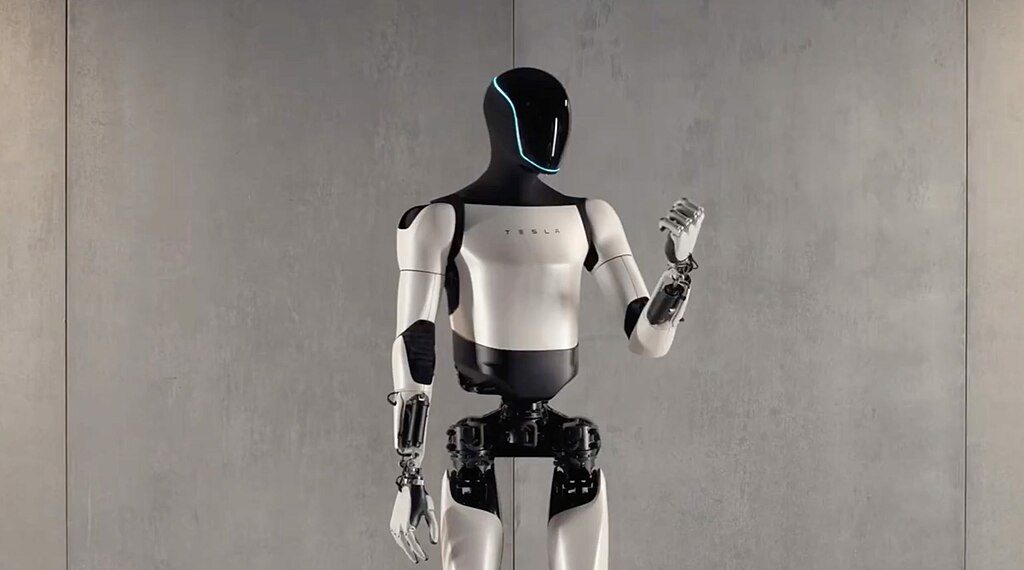
Tesla CEO Elon Musk revealed that production of the company's Optimus humanoid robot has been delayed due to China’s new export restrictions on rare earth magnets—critical components in robotics and electric vehicles. Speaking during an earnings call, Musk noted that the Chinese government now requires exporters to obtain special licenses, as part of its broader response to escalating U.S. tariffs.
China’s rare earth export policy, implemented this month, affects not only raw minerals but also magnets and processed materials, posing a challenge for manufacturers worldwide. Analysts warn that the tightened controls on these essential materials—used in everything from electronics to defense systems—will be difficult to bypass or replace quickly.
Musk explained that the Chinese government is seeking assurance that the magnets are not used for military applications. “They’re just going into a humanoid robot,” he emphasized, clarifying that Tesla’s Optimus is not a weaponized product. Tesla is actively engaging with Chinese officials to secure the necessary export licenses, a process that typically takes several weeks to months.
The Optimus robot, first unveiled in 2022, is part of Tesla’s long-term vision to automate tasks beyond automotive manufacturing. Musk previously announced plans to produce thousands of units in 2025. However, the rare earth supply chain disruption may significantly impact that timeline.
With China controlling over 80% of the global rare earth market, the export controls underscore the strategic vulnerabilities facing tech and auto manufacturers dependent on these resources. Tesla's situation highlights the growing intersection of geopolitics and advanced technology production.
As supply chain pressures mount, companies like Tesla are navigating complex international regulations to keep innovation on track, while markets closely watch for updates on export approvals and production progress.







