


 Hyundai CEO Warns Chinese Automakers Could Disrupt US Market
  Meta Partners With Shopify to Bring Shop Pay Checkout to Muse AI
  SpaceX Nasdaq 100 Weight to More Than Double in Rebalance
  Trump Plans Federal AI Force and AI Czar
  SoftBank Launches $11 Billion Bond Sale to Fund OpenAI Investment
  Big AI wants to slow down AI research. Is it a safety pause or a strategic retreat?
  Who should own the knowledge that underpins AI technology?
  China Reviews Broadcom Switch Use in State Data Centres
  Scott Bessent Eyed as Trump’s New AI Czar
  Trump Bans CNN, MS NOW and Politico From White House
  Cathie Wood Backs AI Slowdown as Safety Concerns Grow
  Guterres Urges Stronger Global AI Safeguards Ahead of UN Assembly
  Telix to Acquire Germany’s ITM in $1.65 Billion Radiopharma Deal
  DOJ Will Investigate AI-Related Crimes, Attorney General Blanche Says
  Novo Nordisk Weighs Direct NYSE Listing to Boost U.S. Profile
  Westinghouse Targets $50 Billion Valuation in U.S. IPO
  NASA, Boeing Discuss Expanding Starliner Missions


 Add as a preferred source on Google
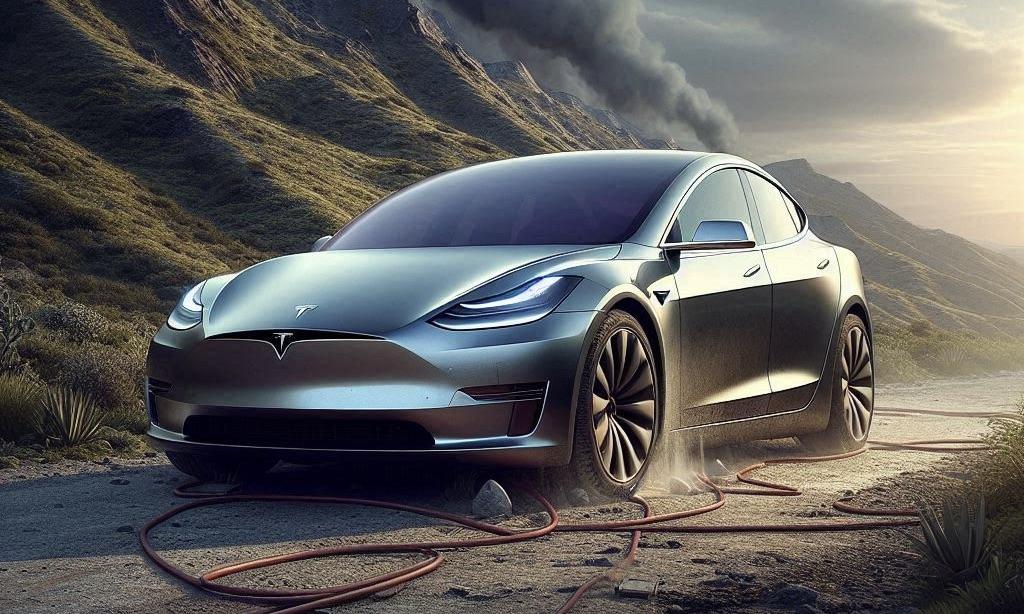
Tesla is recalling 1.85 million vehicles in the United States due to a software issue that may fail to detect an unlatched hood, posing a potential safety risk. The recall affects several models and follows an over-the-air software update in June.
Tesla Recalls 1.85 Million Vehicles in US Due to Unlatched Hood Software Failure; Global Investigation and Update Implemented
According to the automaker (via Reuters), Tesla is recalling 1.85 million vehicles in the United States due to the potential for software failure to detect an unlatched hood.
According to the National Highway Traffic Safety Administration (NHTSA), the potential for an unlatched hood to open and completely obstruct the driver's view increases the risk of a crash.
Tesla resolved the issue by distributing an over-the-air software update in mid-June, per the NHTSA. Drivers are informed when the updated software detects an exposed bonnet.
The recall affects the 2021-2024 Model 3, Model S, Model X, and 2020-2024 Model Y vehicles. Tesla stated that the cars were equipped with a hood closure manufactured in China by Magna Closures Co Ltd.
In March, the automaker began investigating customer complaints regarding unprompted hood opening incidents in specific Model 3 and Model Y vehicles in China. Subsequently, it implemented a latch hardware recovery and in-service vehicle inspection.
Even though there were fewer incidents of this nature in Europe and North America, Tesla's response was global. The company initiated engineering studies in these regions to examine hood closure assemblies, leading to the decision to issue a recall earlier this month.
No Crashes Reported in Tesla's 1.85 Million Vehicle Recall, But NHTSA Investigates Previous Autopilot Issues
Despite receiving three complaints of the issue in the United States, Tesla confirmed that there have been no reports of crashes or injuries associated with the recall. This should provide some relief to concerned vehicle owners.
The recall is Tesla's most significant since December, when it recalled 2.03 million U.S. vehicles, which accounted for nearly all of its vehicles on U.S. roads at the time, to implement new safety measures in its Autopilot system.
Nevertheless, the National Highway Traffic Safety Administration (NHTSA) investigated the recall after receiving reports of 20 accidents involving vehicles that had been updated with the new Autopilot feature. The agency stated that it had identified "several concerns" with the recall.
Last week, Tesla reported its lowest quarterly profit margin in over five years, underscoring the company's ongoing efforts to revitalize auto sales in the face of declining demand.







