


 OpenAI Urges US-Led Global Standards for Frontier AI
  Nike Earnings at Risk as UBS Cuts Price Target to $42
  Hyundai CEO Warns Chinese Automakers Could Disrupt US Market
  SpaceX Nasdaq 100 Weight to More Than Double in Rebalance
  Europe can’t achieve space sovereignty alone. Here’s why
  Volvo Cars Plans 13 New Models by 2030 to Boost Sales
  Qualcomm Gains on $60B Amazon AI Chip Deal
  US Federal Register Drops Alibaba Qwen AI Search Tool
  Paramount-Warner Bros $110 Billion Deal Draws Antitrust Backlash
  Cathie Wood Backs AI Slowdown as Safety Concerns Grow
  CNN, MS NOW and Politico Sue Trump Over White House Media Ban
  Japan, U.S. Discuss $19 Billion GlobalFoundries Chip Plant
  SoftBank Launches $11 Billion Bond Sale to Fund OpenAI Investment
  fnny Beta Launches With a Simple Idea: Find an Event, Show Up, Get Rewarded
  Volkswagen Shares Slide After 2026 Profit Outlook Cut
  Trump Bans CNN, MS NOW and Politico From White House
  Burnham Eyes UK Leadership Role in AI Ahead of Trump Meeting


 Add as a preferred source on Google
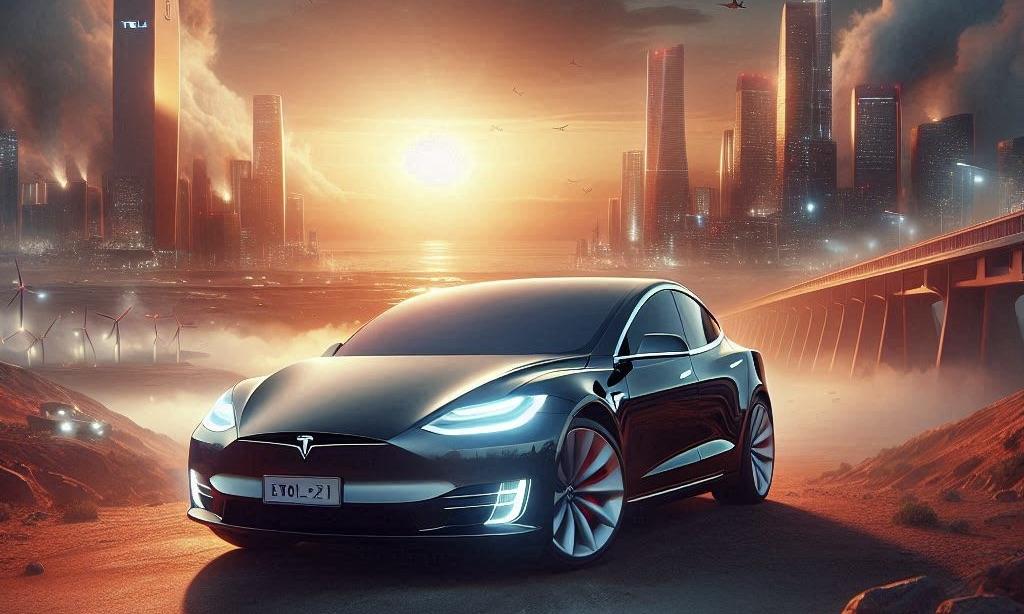
Tesla has raised the prices of its Model S and Model X vehicles by $2,000, despite a notable decline in sales. The decision comes as Tesla struggles with increased competition and a 31-37% drop in year-over-year sales for these models.
Tesla Raises Model S and Model X Prices by $2,000 Despite Sales Decline and Lack of Transparency
Despite a substantial decrease in sales, Tesla's Model S and Model X vehicles have experienced a $2,000 price increase in all configurations. Sales of these models have been declining, prompting this decision. According to Electrek, Tesla continues not to break down its sales figures by model, obscuring the performance of individual vehicle programs.
Tesla is the only major automaker that doesn’t provide a detailed breakdown of its sales by model; instead, it groups all Model S, Model X, Cybertruck, and Tesla Semi deliveries. This makes it difficult to assess the health of each program. Based on estimates of Cybertruck and Tesla Semi deliveries, it is estimated that Model S and Model X sales were around 12,000-13,000 units last quarter, representing a 31-37% year-over-year decline.
Despite the apparent slowdown in sales, Tesla has decided to increase the price of all Model S and Model X vehicles overnight. The new prices are as follows:
-
Model S Long Range: $74,990
-
Model S Plaid: $89,990
-
Model X Long Range: $79,990
-
Model X Plaid: $94,990
Tesla also updated the Model X options, ensuring the Model X Long Range remains under the $80,000 MSRP limit to qualify for the federal tax credit. Additionally, if buyers opt for the $8,000 Full Self-Driving (FSD) package, they receive the 7-seat option for free, maintaining eligibility for the tax credit.
Tesla’s lack of transparency in its delivery reporting has made it challenging to track the performance of individual vehicle programs. The company now only reports deliveries in two categories: Model 3/Y and “other models,” including Model S, Model X, Cybertruck, and Tesla Semi deliveries. This was less of an issue before the Cybertruck ramp-up, but the increased production of the electric pickup truck has further complicated tracking Model S and Model X sales.
Tesla's Model S and X Sales Drop Over 30% in Q2 Amid Rising Competition in Luxury Market
Earlier this week, Tesla disclosed 21,551 deliveries of other models in Q2. Based on estimates of Cybertruck deliveries, Model S and Model X sales are around 12,000-13,000 units, down from 19,225 units during the same period last year.
This more than 30% year-over-year decline highlights the increasing competition in the higher-end segments, where Model S and Model X compete with luxury sedans and SUVs from legacy automakers. While still competitive, the technology advantage of Tesla's models is becoming less apparent.







