


 Palantir Stock Jumps After Strong Q4 Earnings Beat and Upbeat 2026 Revenue Forecast
  AMD Shares Slide Despite Earnings Beat as Cautious Revenue Outlook Weighs on Stock
  Google Cloud and Liberty Global Forge Strategic AI Partnership to Transform European Telecom Services
  SoftBank Shares Slide After Arm Earnings Miss Fuels Tech Stock Sell-Off
  SpaceX Seeks FCC Approval for Massive Solar-Powered Satellite Network to Support AI Data Centers
  Jensen Huang Urges Taiwan Suppliers to Boost AI Chip Production Amid Surging Demand
  Sony Q3 Profit Jumps on Gaming and Image Sensors, Full-Year Outlook Raised
  Tencent Shares Slide After WeChat Restricts YuanBao AI Promotional Links
  Baidu Approves $5 Billion Share Buyback and Plans First-Ever Dividend in 2026
  Oracle Plans $45–$50 Billion Funding Push in 2026 to Expand Cloud and AI Infrastructure
  SpaceX Updates Starlink Privacy Policy to Allow AI Training as xAI Merger Talks and IPO Loom
  TSMC Eyes 3nm Chip Production in Japan with $17 Billion Kumamoto Investment
  SoftBank and Intel Partner to Develop Next-Generation Memory Chips for AI Data Centers
  Sam Altman Reaffirms OpenAI’s Long-Term Commitment to NVIDIA Amid Chip Report
  Global PC Makers Eye Chinese Memory Chip Suppliers Amid Ongoing Supply Crunch
  Nintendo Shares Slide After Earnings Miss Raises Switch 2 Margin Concerns


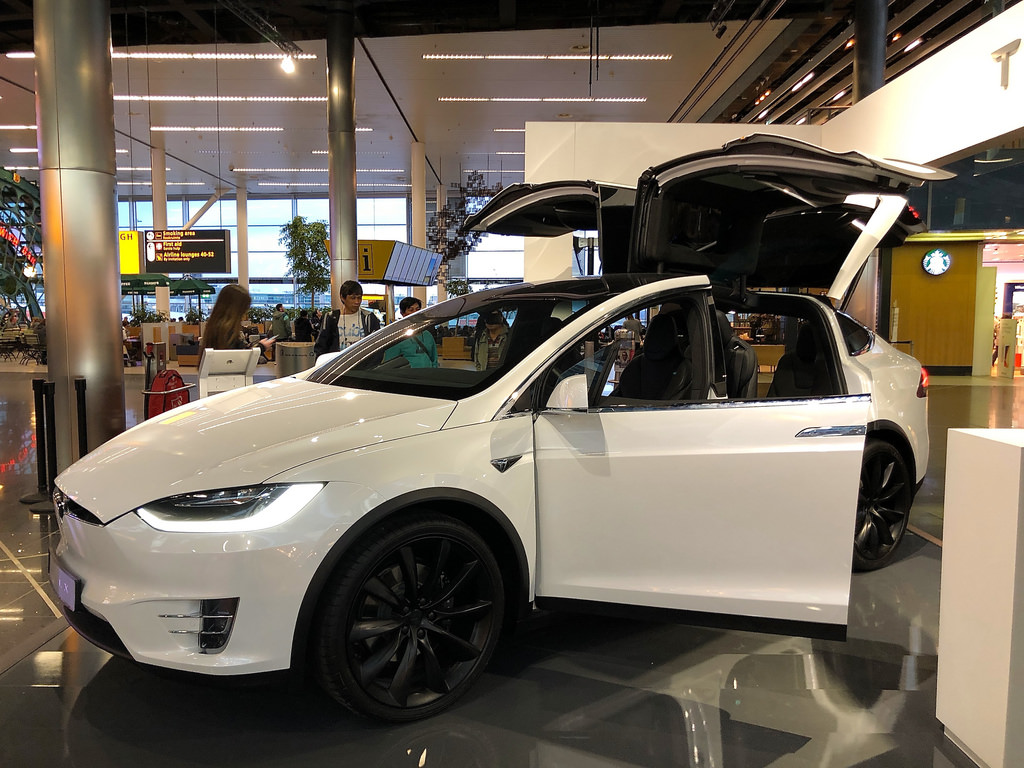
Tesla has always tried to be transparent when it came to anything to do with its business and a recent car crash involving one of its Model X electric SUVs proves this. The company released the details with regards to the accident, even admitting that the autopilot was engaged at the of the driver’s death. Authorities disapprove of the act, however, and are unhappy about the release of the details.
Last week, a fatal crash involving a Tesla Model X killed the driver, Walter Huang, 38, while the autopilot was engaged. As with the previous fatal car crash that involved a Tesla vehicle, the company is claiming that the incident happened because the driver did not abide by the warnings of the vehicle. This was according to Tesla’s blog post.
“In the moments before the collision, which occurred at 9:27 a.m. on Friday, March 23rd, Autopilot was engaged with the adaptive cruise control follow-distance set to minimum. The driver had received several visual and one audible hands-on warning earlier in the drive and the driver’s hands were not detected on the wheel for six seconds prior to the collision. The driver had about five seconds and 150 meters of unobstructed view of the concrete divider with the crushed crash attenuator, but the vehicle logs show that no action was taken,” the post reads.
Tesla provided more details in its post with regards to the incident, but while it may have released such details in an attempt to be more transparent or head off a PR disaster, the authorities are still displeased with the act. The National Transportation Safety Board disapproves of what it considers a premature release of essential information to the public while an investigation was ongoing, Jalopnik reports.
An angle that the agency is looking into is the complaints that the driver apparently had with the Autopilot on his car that he expressed to family members prior to the crash. If there was an issue with the vehicle that caused the accident, it could be terrible news for Tesla.













