


 SoftBank Shares Slide After Arm Earnings Miss Fuels Tech Stock Sell-Off
  Nvidia Confirms Major OpenAI Investment Amid AI Funding Race
  Tencent Shares Slide After WeChat Restricts YuanBao AI Promotional Links
  Sony Q3 Profit Jumps on Gaming and Image Sensors, Full-Year Outlook Raised
  Instagram Outage Disrupts Thousands of U.S. Users
  Nvidia CEO Jensen Huang Says AI Investment Boom Is Just Beginning as NVDA Shares Surge
  Jensen Huang Urges Taiwan Suppliers to Boost AI Chip Production Amid Surging Demand
  Oracle Plans $45–$50 Billion Funding Push in 2026 to Expand Cloud and AI Infrastructure
  SpaceX Reports $8 Billion Profit as IPO Plans and Starlink Growth Fuel Valuation Buzz
  Amazon Stock Rebounds After Earnings as $200B Capex Plan Sparks AI Spending Debate
  AMD Shares Slide Despite Earnings Beat as Cautious Revenue Outlook Weighs on Stock
  Baidu Approves $5 Billion Share Buyback and Plans First-Ever Dividend in 2026
  OpenAI Expands Enterprise AI Strategy With Major Hiring Push Ahead of New Business Offering
  SpaceX Prioritizes Moon Mission Before Mars as Starship Development Accelerates
  Elon Musk’s SpaceX Acquires xAI in Historic Deal Uniting Space and Artificial Intelligence
  Nvidia, ByteDance, and the U.S.-China AI Chip Standoff Over H200 Exports
  Alphabet’s Massive AI Spending Surge Signals Confidence in Google’s Growth Engine


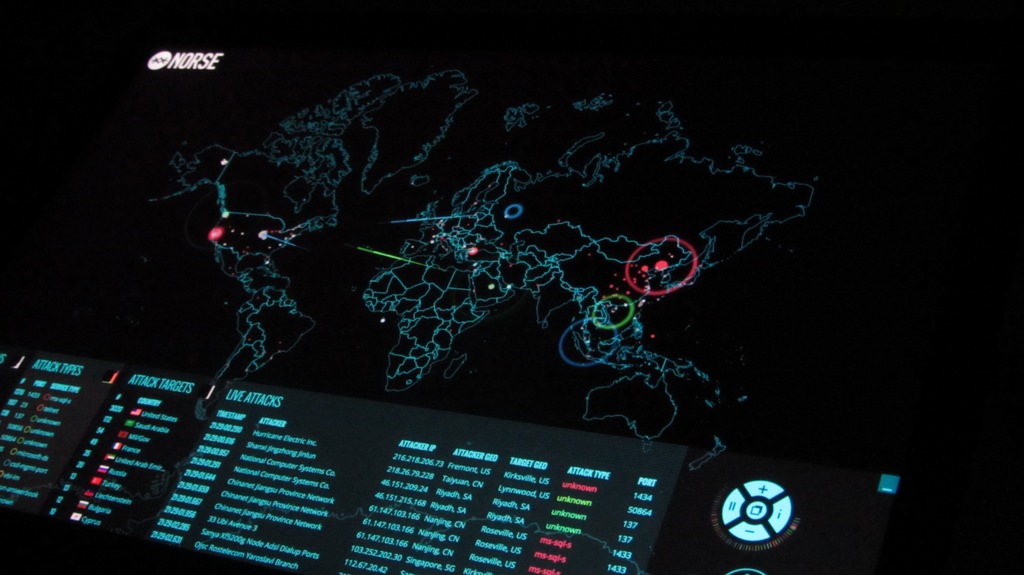
It has become increasingly obvious that aside from physical attacks, cyber attacks are becoming a far more serious and insidious threat to modern society that needs to be taken seriously. After a series of hacking incidents, election interference, and multiple instances of user data misuse by third-party companies, the tech industry is finally forming a war alliance to combat such threats.
By signing what it called the Cybersecurity Tech Accord, 34 major tech companies are officially pledging to do everything in their power to protect consumers from cyber-attacks. For anyone wondering how this is different from their individual promises and responsibilities to actually do this without the fanfare, it actually might make a huge difference.
“Protecting our online environment is in everyone’s interest. [Therefore,] we – as enterprises that create and operate online technologies – promise to defend and advance its benefits for society. Moreover, we commit to act responsibly, to protect and empower our users and customers, and thereby to improve the security, stability, and resilience of cyberspace,” the accord’s web page reads.
Many of the problems in the tech industry involving cyber attacks are due to the simple fact that every entity has their own policies and practices being implemented to address these issues. Naturally, this means that some companies will have weaker defenses than others, which could become entry points for anyone with nefarious intents to infect everyone else connected to the network.
This is why the coalition’s pledge to “prioritize security, privacy, integrity and reliability, and in turn reduce the likelihood, frequency, exploitability, and severity of vulnerabilities” is so important. Cooperating to make defenses more streamlined will essentially make invading vulnerable systems more difficult.
As Futurism notes, another major advantage of the coalition is sharing of information. Tech companies are typically secretive entities by nature, refusing to allow outsiders access even to vital data that could prevent future cyber attacks. With the signing of the accord, this information will become more accessible.













