


 Google Cloud and Liberty Global Forge Strategic AI Partnership to Transform European Telecom Services
  SpaceX Pushes for Early Stock Index Inclusion Ahead of Potential Record-Breaking IPO
  Sam Altman Reaffirms OpenAI’s Long-Term Commitment to NVIDIA Amid Chip Report
  SoftBank Shares Slide After Arm Earnings Miss Fuels Tech Stock Sell-Off
  Baidu Approves $5 Billion Share Buyback and Plans First-Ever Dividend in 2026
  Elon Musk’s SpaceX Acquires xAI in Historic Deal Uniting Space and Artificial Intelligence
  SpaceX Prioritizes Moon Mission Before Mars as Starship Development Accelerates
  Elon Musk’s Empire: SpaceX, Tesla, and xAI Merger Talks Spark Investor Debate
  Palantir Stock Jumps After Strong Q4 Earnings Beat and Upbeat 2026 Revenue Forecast
  Nvidia, ByteDance, and the U.S.-China AI Chip Standoff Over H200 Exports
  Anthropic Eyes $350 Billion Valuation as AI Funding and Share Sale Accelerate
  Jensen Huang Urges Taiwan Suppliers to Boost AI Chip Production Amid Surging Demand
  TSMC Eyes 3nm Chip Production in Japan with $17 Billion Kumamoto Investment
  Nvidia CEO Jensen Huang Says AI Investment Boom Is Just Beginning as NVDA Shares Surge


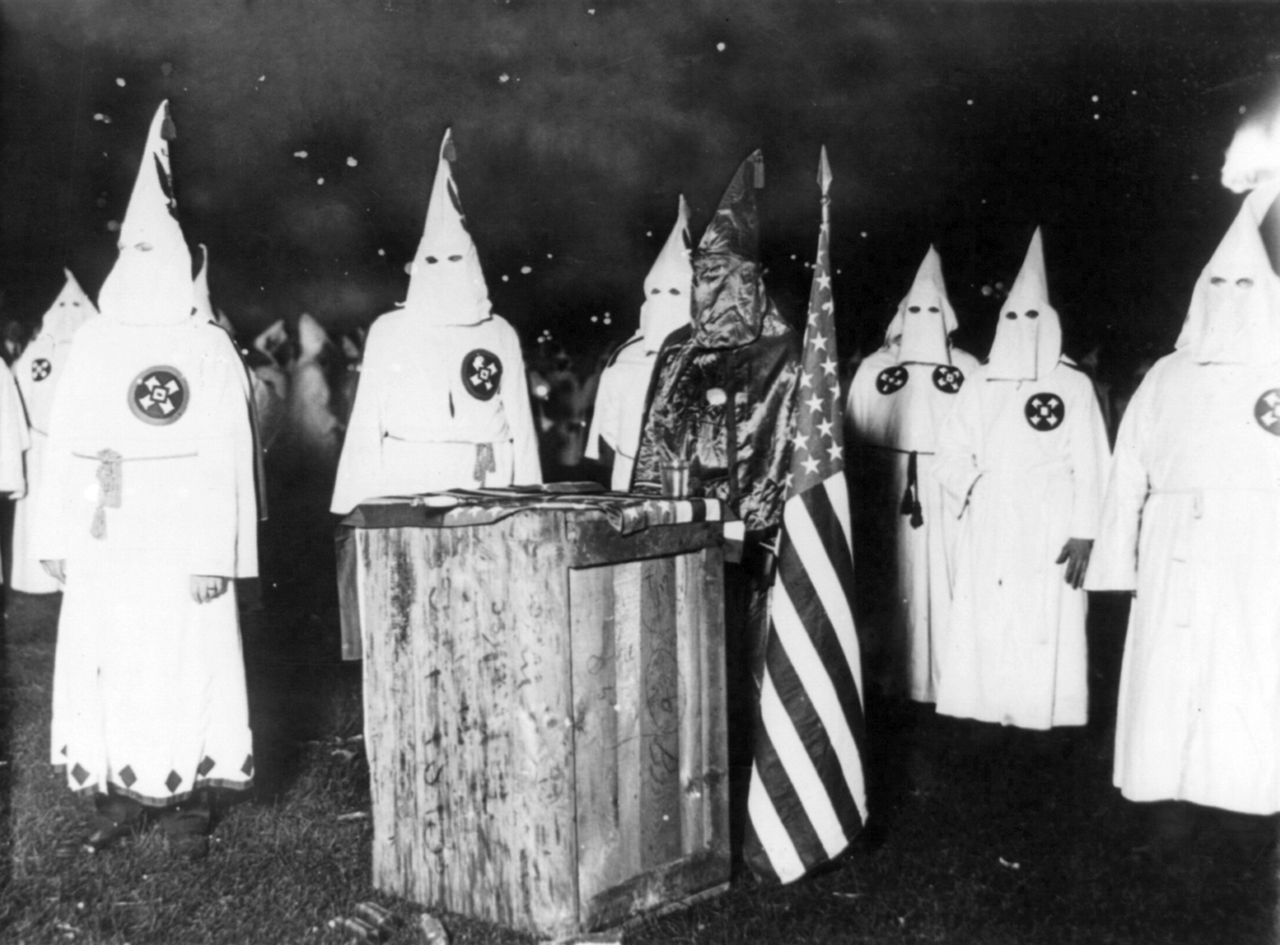
In the wake of the Charlottesville terror attack, tech companies have been releasing statements one by one, denouncing the act and promising to combat the epidemic of hate speech on their respective platforms. While this is a nice gesture and the energy behind the statements is invigorating, it’s unlikely to do much good. No matter what tech companies do, hate groups will remain alive and well online.
One of the tech figures jumping on the fight against neo-Nazi bandwagon is Facebook Founder Mark Zuckerberg, who posted recently that he and his team are watching the situation closely. Any threats of violence will be removed.
“The last few days have been hard to process. I know a lot of us have been asking where this hate comes from,” the post reads. “As a Jew, it's something I've wondered much of my life. It's a disgrace that we still need to say that neo-Nazis and white supremacists are wrong -- as if this is somehow not obvious. My thoughts are with the victims of hate around the world, and everyone who has the courage to stand up to it every day.”
Other companies throwing in their own sets of promises include Twitter, Snapchat, Google, and CloudFlare. A particularly big target that’s getting hit from all sides is the Conservative site the Daily Stormer, which was recently left open to DDoS attacks.
Unfortunately, as TechCrunch points out, all of this is rather pointless. The Alt-Right, Neo-Nazis, and other hate groups have become far too tech savvy to be suppressed in any kind of significant manner. A quick search on Facebook or Twitter can quickly show just how pointless all of the measures these companies are taking can be.
A lot of the times, algorithms and artificial intelligence can be fooled by the creation of simple lexicons that many humans can easily understand but would give machines some trouble. For example, the word “fag” can be easily flagged, but when changed to something like “flag,” it just sails right under the radar. What’s worse is that there are online contents that can seem unintentionally offensive, which won’t be targeted by algorithms at all.













