


 Taiwan Thanks US for Support Ahead of Trump-Xi Summit
  US Senate Rejects Iran War Powers Resolution in 50-49 Vote
  US, China Extend Trade Truce to Jan. 10 Ahead of Trump-Xi Summit
  North Korea Rejects Nuclear Test Warning, Calls Nuclear Status Irreversible
  Trump Asks Supreme Court to Restore Third-Country Deportations
  US Officials Split Over Response to Israeli West Bank Settlements
  South Korea, US Discuss Warship Building Cooperation
  Trump, Xi Focus on Trade and AI at White House Summit
  Russian Envoy Dmitriev Heads to US for Ukraine Talks
  France Defends Netanyahu Airspace Clearance Despite ICC Warrant
  Russian Missile and Drone Attack on Kyiv Kills Two, Damages Maternity Hospital
  Gaza Faces Evacuation Crisis as War-Damaged Buildings Risk Collapse
  Judge Orders Trump to Restore White House Access for CNN, MS NOW and Politico
  Pezeshkian Says US Must Choose When Iran War Ends
  Kremlin Says No Decision Yet on Putin-Trump December Summit
  EU Defence Build-Up Too Slow for 2030 Russia Readiness Goal
  Europe Warns Russia Is Escalating Hybrid Attacks Across NATO


 Add as a preferred source on Google
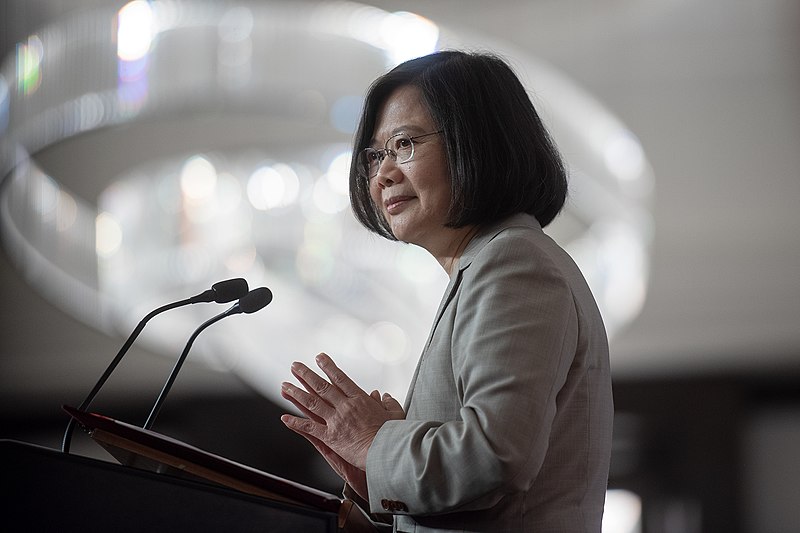
The island nation of Taiwan has reiterated its refusal to back down on its sovereignty. Taiwan has also stressed that it will not compromise its freedom and democracy amidst continued pressure from China.
The Taiwanese presidential office issued a statement Sunday, stressing that the island nation will not surrender its sovereignty to Beijing and that it will not compromise on its freedom and democracy. The office also noted that the Taiwanese people reject China’s proposal of a “one country, two systems” dynamic.
The statement also said that maintaining peace and stability in the Taiwan Strait and the region is the shared responsibility of both China and Taiwan and that military force was not an option. The island’s Mainland Affairs Council also echoed the statement, saying that “Taiwan has never been a part of the People’s Republic of China.”
“Only by respecting the Taiwanese’s insistence on democracy and freedom can both sides of the Taiwan Strait resume friendly interactions,” said the island’s Democratic Progressive Party.
“Safeguarding the Republic of China, protecting democracy and freedom, and maintaining cross-strait and regional peace are the three most important missions of the KMT,” said KMT party chairman Eric Chu, referring to Taiwan’s official name and the initials of the Chinese Nationalist Party.
The statement by the presidential office follows the speech given by Chinese President Xi Jinping during the opening of the Communist Party Congress in Beijing that the Chinese people should be the ones to resolve the issue of Taiwan. Xi also said that Beijing will not rule out using force to take the democratically-governed island nation.
China ramped up its military activities near the island following the visit of US House Speaker Nancy Pelosi back in August. Taiwan’s National Security Bureau Director-General Chen Ming-Tong told parliament last week that Beijing was monitoring the war in Ukraine to develop “hybrid warfare” strategies in the event that it invades the island.
“This year, the communist military has borrowed from the experience of the Russia-Ukraine war to develop ‘hybrid warfare’ against Taiwan and strengthen its combat training and preparation against strong enemies,” Chen told lawmakers.
Chen added that China has expanded its “grey zone warfare” tactics against Taiwan, such as using drones that fly near Taiwan-controlled islands and into the island’s airspace.







