


 South Korea’s KOSPI Plunges as Apple Price Hikes and OpenAI IPO Delay Shake AI Chip Stocks
  China Keeps Loan Prime Rates Unchanged for 13th Straight Month as Policymakers Prioritize Credit Demand Recovery
  Bank Regulation Rollbacks in the U.S. and UK Could Increase Financial Risks, Study Warns
  Jerome Powell Warns Against Politicizing the Federal Reserve, Defends Democratic Institutions
  US Dollar Slips After PCE Inflation Data Eases Fed Rate Hike Expectations
  South Korea Remains MSCI Emerging Market Despite Reform Progress
  Gold Prices Fall Below $4,000 as Strong Dollar, Fed Rate Hike Bets Weigh on Bullion
  RBA Expected to Hold Interest Rates at 4.35% as Markets Watch AUD/USD and ASX 200
  RBI Hits Pause as Geopolitical Storm Clouds Gather
  BOJ Rate Hike Expected to Boost Yen, Impact USD/JPY and Nikkei
  Trump Requests $11 Billion More in Farm Aid as Rising Costs Pressure U.S. Farmers
  Japan Signals Preference for Low Interest Rates as BOJ Policy Debate Intensifies
  Gold Prices Rise Above $4,000 as Inflation Data and Weaker Dollar Boost Demand
  SpaceX Eyes Starlink Mobile Phone Service to Challenge Verizon, AT&T, and T-Mobile
  Indonesia Central Bank to Draft New Regulations After Expanded Economic Growth Mandate
  Asian Stocks Sink as Apple Price Hikes Spark AI Valuation Fears, South Korea and Japan Lead Selloff


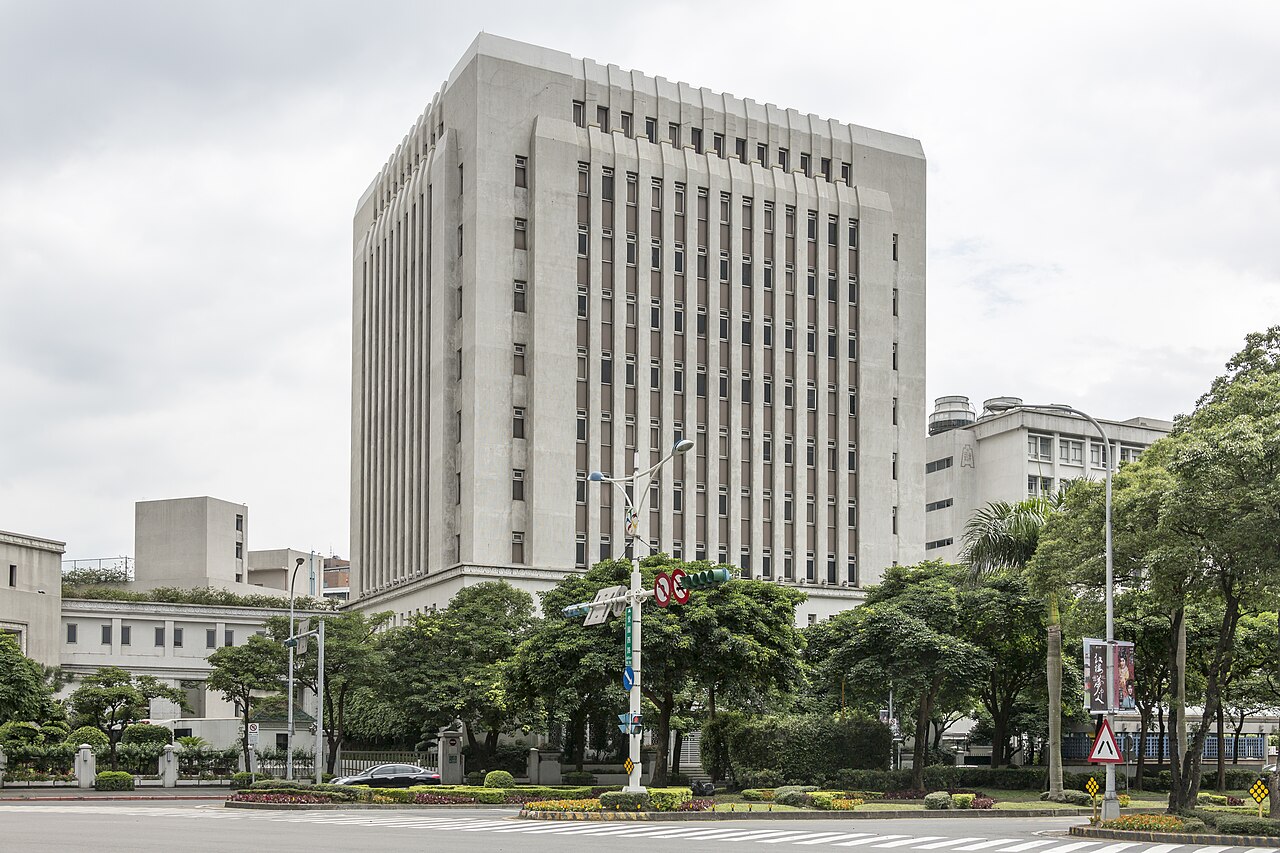
Taiwan's central bank is widely anticipated to keep its benchmark discount rate unchanged at 2% during its quarterly meeting this Thursday, with economists projecting this stance will remain in place well into 2027. A Reuters poll of 29 economists confirmed unanimous agreement on the rate hold, reflecting confidence in Taiwan's strong economic momentum.
The last rate adjustment came in March 2024, when the central bank raised the benchmark by 0.125 percentage points from 1.875% to prepare for rising electricity costs. Since then, policymakers have maintained a steady approach, most recently reaffirming the 2% rate in December.
A major driver behind Taiwan's economic resilience is the global artificial intelligence boom. As home to TSMC — the world's largest contract chipmaker — Taiwan has seen surging demand for semiconductors fuel remarkable growth. The economy expanded by 8.68% in 2025, its fastest pace in 15 years, and is forecast to grow another 7.7% this year, according to the government's statistics agency. Analysts note no visible slowdown heading into the first quarter of 2026.
Inflation remains largely under control, with Taiwan's consumer price index rising 1.75% in February — slightly above forecasts of 1.5%, but still marking the tenth consecutive month below the central bank's 2% warning threshold.
Despite the positive outlook, some risks remain on the horizon. Ongoing conflict in the Middle East could push global energy prices higher, potentially creating stagflationary pressures that complicate monetary policy decisions. Analysts caution that if energy costs climb sharply, Taiwan's otherwise favorable inflation environment could shift.
On Thursday, alongside the rate decision, the central bank is also expected to release updated economic growth and inflation projections for 2026, offering further guidance on Taiwan's monetary policy direction in the months ahead.







