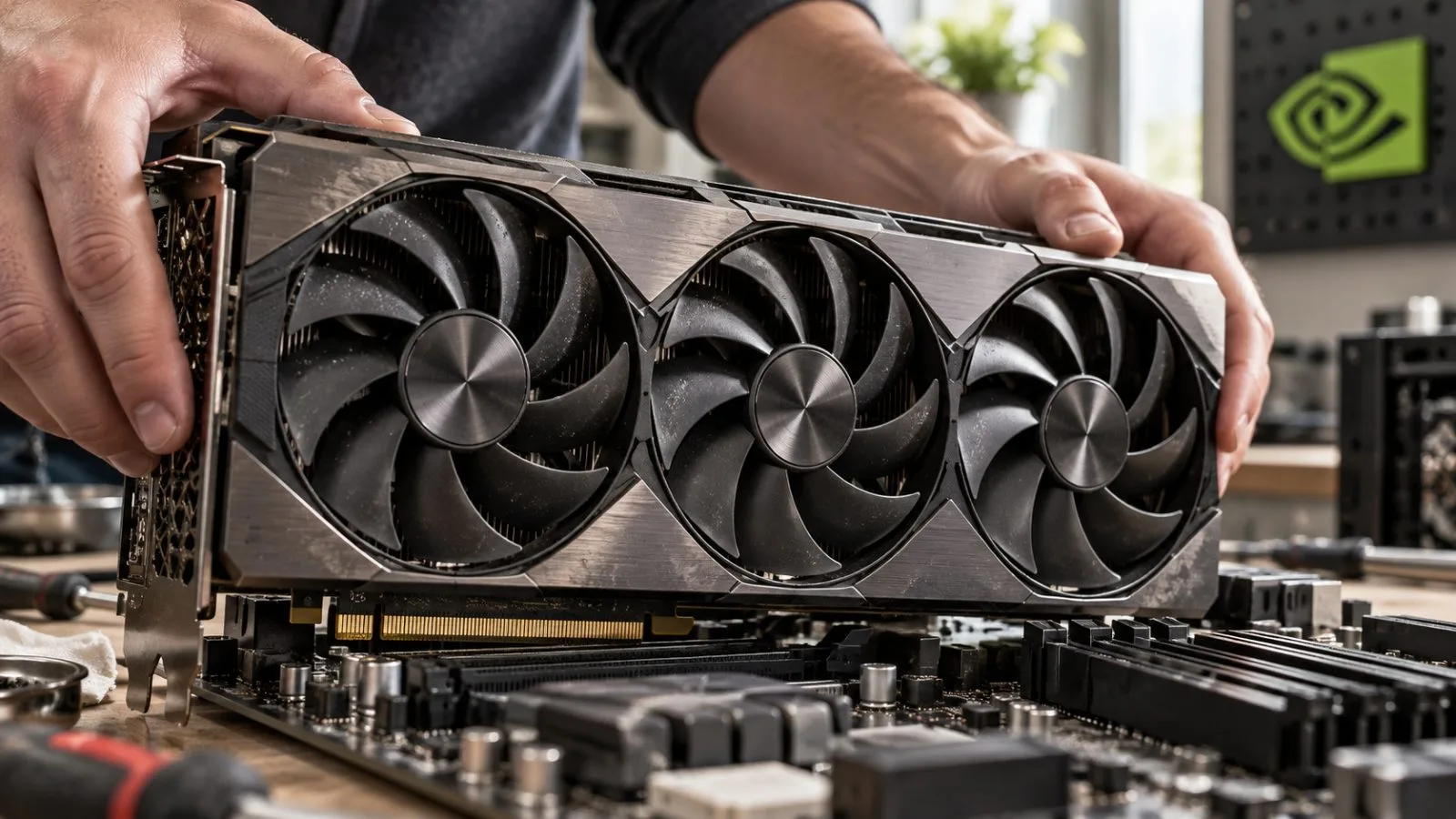
TSMC, the world's leading chipmaker, announced that chips manufactured outside of Taiwan, such as those from its new Arizona plant, will cost more. This move could lead to higher prices for consumer electronics globally.
TSMC Announces Higher Costs for Non-Taiwan-Made Chips Amid Global Expansion Efforts
According to Engadget, TSMC is the world's largest chipmaker, with products used in everything from phones to game consoles and PCs. However, if manufacturers choose to acquire TSMC chips made outside of Taiwan, the cost of gadgets employing them may rise.
“If a customer requests to be in a certain geographical area, the customer needs to share the incremental cost,” TSMC CEO CC Wei said on an earnings call. “In today’s fragmented globalization environment, cost will be higher for everyone, including TSMC, our customers, and our competitors.”
Customers are already discussing price rises. According to the Financial Times, it costs more for TSMC to manufacture chips outside of Taiwan (where over 90% of the world's most advanced semiconductors are produced). However, the corporation will pass on those costs as companies and governments seek to grow chip supplies outside of Taiwan, which China aims to control.
TSMC has plants in Japan and is now developing five in Arizona. The first of these began operations this month and is anticipated to reach full output this year. It is also building a facility in Germany.
Furthermore, last week, the US government agreed to grant the corporation $6.6 billion in funding under the CHIPS Act, which aims to boost semiconductor production in the country. In exchange, TSMC agreed to increase its US investment from $25 billion to $65 billion. In line with that, the business revealed plans to develop a third US plant by the end of the decade and begin producing more sophisticated 2nm chips by 2028.
Rising Costs at Home and Abroad: TSMC Faces Production Challenges, Impacting Major-Tech Brands
Meanwhile, TSMC anticipates higher production costs in Taiwan. That's because power rates are skyrocketing. An earthquake earlier this month is also predicted to harm the company's profits, as is its battle to improve the efficiency of its most advanced 3nm chip manufacturing processes.
Apple, NVIDIA, AMD, and Qualcomm are some of TSMC's more noteworthy customers. So, their production costs may rise if they decide to acquire chips from the company's fabs in the United States, Japan, or Germany. Take a wild guess who will bear the brunt of those higher expenses so equipment manufacturers may preserve their profit margins.