


 Australia's Social Media Ban for Under-16s Sparks Global Movement
  California's AI Executive Order Pushes Responsible Tech Use in State Contracts
  Goldman Sachs Cuts 2026 Copper Price Forecast Amid Global Growth Concerns
  RBC Capital: European Medtech Firms Show Minimal Middle East and Energy Risk Exposure
  Trump-Xi Summit 2026: U.S.-China Trade War Tensions and Tariff Talks
  Rubio Directs U.S. Diplomats to Use X and Military Psyops to Counter Foreign Propaganda
  Deere & Company Agrees to $99 Million Settlement Over Right-to-Repair Dispute
  Pershing Square Bids €30.40 Per Share to Acquire Universal Music Group in $9.4B Deal
  Sterling Slides as Dollar Holds Firm Amid U.S.-Iran Tensions
  China's Energy Resilience Shields Economy From Global Oil Shock, Goldman Sachs Says
  TSMC Japan's Second Fab to Produce 3nm Chips by 2028
  Nanya Technology Shares Surge 10% After $2.5 Billion Private Placement from Sandisk and Cisco
  Ford Issues Major Recall on Over 422,000 Vehicles Due to Windshield Wiper Defect
  Chinese Universities with PLA Ties Found Purchasing Restricted U.S. AI Chips Through Super Micro Servers
  Britain Courts Anthropic Amid US Defense Department Dispute
  Asian Currencies Hold Steady as Trump's Iran Deadline Rattles Markets
  India's Services Sector Growth Slows to 14-Month Low in March Amid Rising Costs


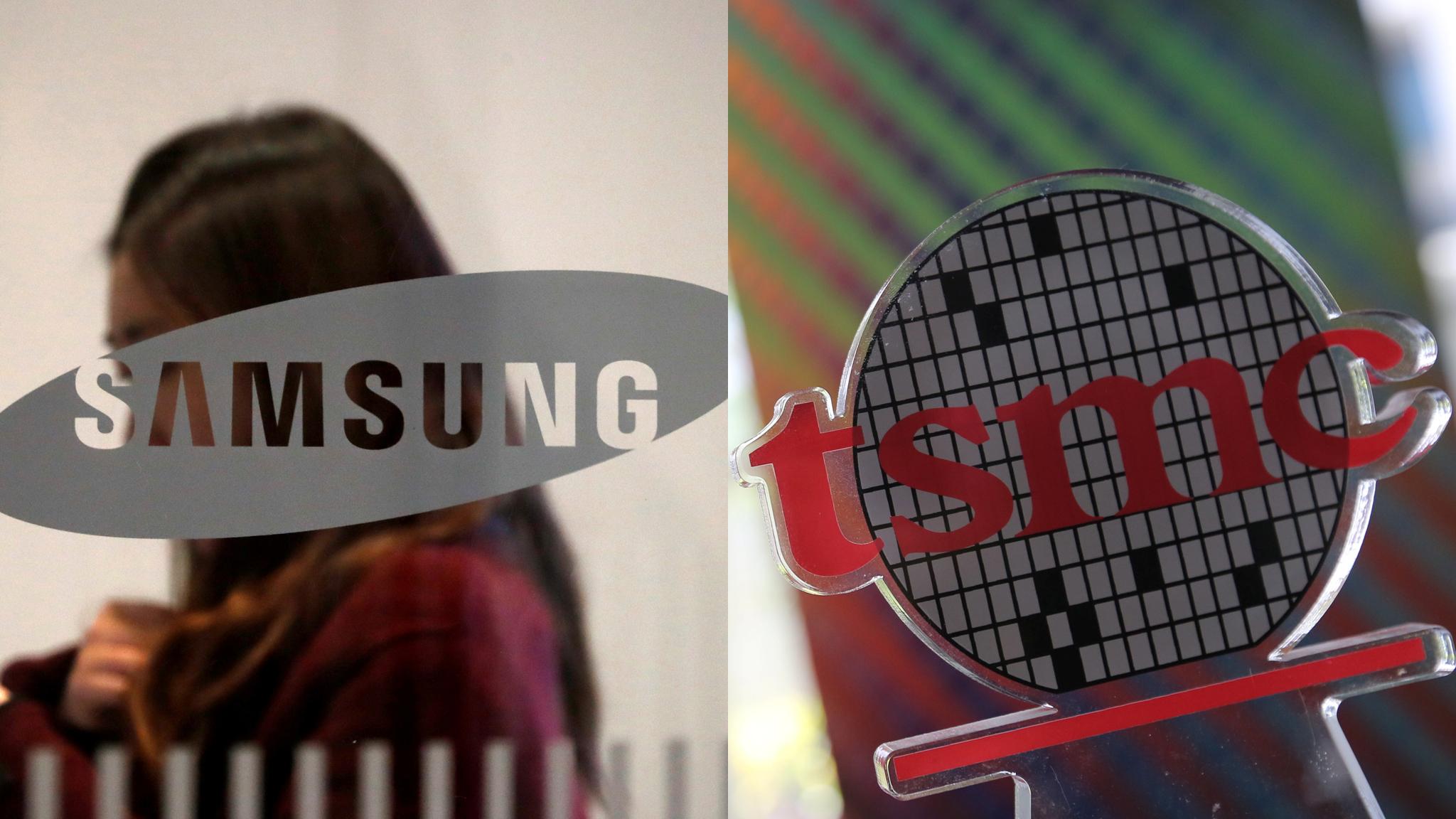
Taiwan Semiconductor Manufacturing Co. (TSMC)’s strategic partnership with Japanese chipmakers could threaten the status of Samsung Electronics, which is struggling to catch up with the bigger rival, according to analysts.
Japan has signed off on a 37-billion-yen semiconductor research project to develop cutting-edge chip technology in the country that would have about 20 Japanese companies, including Hitachi High-Tech Corp., working with TSMC.
The Japanese government will pay over half of the cost.
Backed by Japan’s Ministry of Economy, Trade, and Industry, the project is focusing on research and development of chip packaging, which is the final stage of semiconductor device fabrication.
The construction of facilities will start around September, with full-scale R&D projects expected to kick off in 2022.
The partnership with TSMC will bolster the Japanese firms, which are strong in chip components, equipment, and NAND flash memory fabrication, but laggards in the foundry market, where chipmakers make chips for fabless companies and chip designing firms.
The Japanese government also wants Sony Corp. to enhance ties with TSMC in the image sensor segment, according to media reports.
TSMC’s foundry market share increased from 54 percent to 55 percent, widening its lead over Samsung to 38 percent.
Samsung's market share fell from 18 percent in the fourth quarter last year to 17 percent in the first quarter due to the temporary shutdown of its Austin chip plant.
To compound Samsung's woes, electronics companies, one of its key customers for chips, are seen reducing their production due to a shortage of system chips such as display driver ICs (DDIs) and microcontroller units (MCUs).
While Samsung has been aggressively expanding facilities in its quest for global leadership, its 10 trillion won-a-year expenditure to develop its foundry technology pales in comparison to TSMC’s 30 trillion won-a-year investment.
There's also an industry outlook that the global demand for memory chips, Samsung's mainstay products, may not be as strong as forecast.







