


 Erste Group Plans Tender Offer to Boost Poland Bank Stake
  SMBC Eyes 20% VPBank Stake in Vietnam Expansion
  Airbus Finds A321neo Fuselage Quality Issue
  Tesla Semi Rollout Begins at Nevada Factory
  Japanese Bank Stocks Surge as Bond Yields Fuel Rate Hike Bets
  UK PM Burnham to Unveil Economic Vision at Labour Conference
  AMD Hits $1 Trillion as BofA Raises Price Target to $720
  Former OpenAI Data Center Chief Chris Malone Joins Nvidia
  US Appeals Court Upholds Anthropic AI Supply Chain Ban
  Jeff Bezos Invests $32 Billion in Blue Origin as Space Firm Targets Major Growth
  Gold Holds Near $4,275 as Rising Treasury Yields Fuel Fed Rate Hike Bets
  Asian Stocks Fall as Surging Bond Yields Rattle Markets
  Asian Currencies Mixed as Dollar Holds Near Two-Month High
  Solidigm Eyes $150 Billion IPO as SK Hynix Expands AI Storage Push
  Fed’s Hammack Says Bond Yield Surge Is Not Driven by Inflation Fears
  US Comfortable With Canada Trade Standoff as Import Bans Loom
  Asian Stocks Fall as Bond Yields Surge Ahead of Trump-Xi Summit


 Add as a preferred source on Google
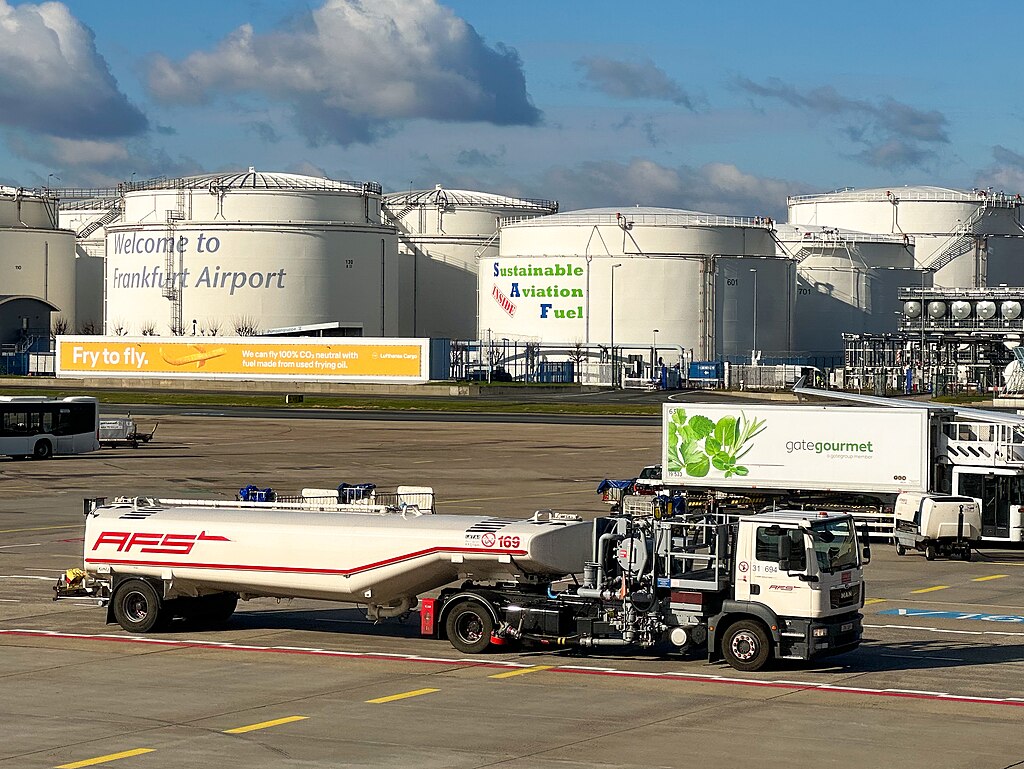
The sustainable aviation fuel (SAF) industry is falling behind its 2030 targets, with global production not increasing fast enough to meet demand, according to a new report by Boston Consulting Group (BCG). Despite a 1,150% surge in global SAF supply over the past three years, new project announcements fell by 50% to 70% from 2022 to 2023 due to rising energy and operational costs, as well as economic uncertainty.
SAF currently accounts for only 0.3% of global jet fuel usage in 2024. In Europe, airlines are mandated to use 2% SAF this year, increasing to 6% by 2030. However, the high cost of SAF—three to five times more than conventional jet fuel—remains a significant barrier. BCG’s survey of over 500 executives from 200 aviation companies revealed that airlines and airports allocate just 1% to 3% of their budgets to SAF investment.
BCG Managing Director Pelayo Losada noted that while the industry is moving in the right direction, progress is far too slow. He warned that supply could fall 30% to 45% short of what’s needed by 2030 to meet climate goals. Losada criticized the widespread industry attitude of expecting others to lead the change, urging greater cross-sector collaboration.
Compounding the problem, countries like China are seeing SAF project delays due to unclear policy frameworks and low consumption. The aviation sector, which aims for net-zero emissions by 2050, is now at risk of missing key environmental targets unless investment and cooperation accelerate. Without stronger policy support, funding, and a united industry approach, SAF adoption is unlikely to meet future sustainability benchmarks.







