


 Asian Currencies Mixed as Dollar Holds Near Two-Month High
  U.S. Dollar Hits Two-Month High as Oil, Treasury Yields Surge
  Asian Stocks Fall as Bond Yields Surge Ahead of Trump-Xi Summit
  Oil Prices Ease as Iran Tensions Clash With Diplomacy Hopes
  RBI Uses $10 Billion Currency Swaps to Drain Excess Rupee Liquidity
  China’s ‘Lipstick King’ Says AI Won’t Replace Livestream Hosts
  Asian Stocks Fall as Surging Bond Yields Rattle Markets
  Australia Unemployment Hits Five-Year High Despite Strong Jobs Growth
  US 10-Year Treasury Yield at 6% Emerges as New Market Risk Threshold
  Japan Private-Sector Growth Slows as Domestic Demand Weakens
  Oil Prices Jump 3% as Houthi Attack Revives Supply Fears
  Fed Unveils Stablecoin Rules Under GENIUS Act
  Wall Street Falls as Treasury Yields Surge, Oil Rebounds on Iran Tensions
  Dollar Holds Near Two-Month High as Yen Approaches 160
  Gold Holds Near $4,275 as Rising Treasury Yields Fuel Fed Rate Hike Bets
  Oil Prices Surge as U.S.-Iran Diplomacy Hopes Fade
  Wall Street Ends Flat as Oil, Treasury Yields and Fed Jitters Rattle Markets


 Add as a preferred source on Google
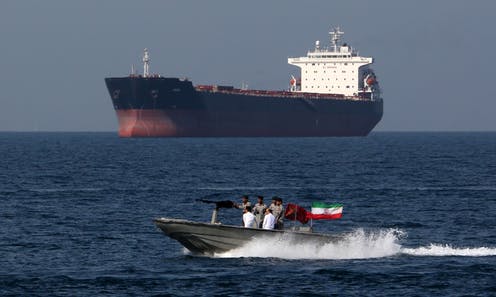
Global oil and liquefied natural gas (LNG) shipments through the Strait of Hormuz have been disrupted after the United States and Israel launched attacks on Iran, prompting Tehran to declare the strategic waterway closed. Several tanker owners, oil majors, and commodity trading houses have suspended crude oil, refined fuel, and LNG cargo movements, raising concerns about global energy supply and shipping security.
A senior executive at a major trading firm confirmed that vessels would remain anchored for several days as tensions escalate. Satellite tracking data shows oil tankers clustering near major regional hubs such as Fujairah in the United Arab Emirates instead of transiting through the Strait of Hormuz. According to an official from the European Union naval mission Aspides, multiple ships received VHF radio warnings from Iran’s Revolutionary Guards stating that no vessels are permitted to pass.
However, the British Navy said Iran’s directive is not legally binding under international law and advised ships to proceed with caution. Despite the warnings, maritime traffic has not completely halted, though disruptions are intensifying rapidly, according to shipbroker Poten & Partners. INTERTANKO, the global tanker association, reported that the U.S. Navy has warned that it cannot guarantee safe navigation across the Gulf, Gulf of Oman, North Arabian Sea, and the Strait of Hormuz.
The Strait of Hormuz is one of the world’s most critical energy chokepoints, handling roughly 20% of global oil supply, including exports from Saudi Arabia, the UAE, Iraq, Kuwait, and Iran, as well as significant LNG shipments from Qatar. Data from consultancy Kpler indicates that at least 14 LNG carriers have slowed, turned back, or stopped near the Strait, threatening Qatari gas exports.
Major shipping companies are adjusting operations. Germany’s Hapag-Lloyd has suspended vessel transit through the Strait, while Denmark’s Maersk is coordinating with security partners but continues cargo acceptance in the Middle East. France’s CMA CGM has instructed ships in or heading toward the Gulf to seek shelter, signaling heightened risks for global energy markets and international trade.







