


 Why have so few atrocities ever been recognised as genocide?
  U.S. Probes Apex Logistics Over Nvidia AI Chip Shipments to China
  Stuck in a creativity slump at work? Here are some surprising ways to get your spark back
  The pandemic is still disrupting young people’s careers
  Yindjibarndi Appeals Fortescue Mining Compensation Ruling
  Debate over H-1B visas shines spotlight on US tech worker shortages
  Glastonbury is as popular than ever, but complaints about the lineup reveal its generational challenge
  Every generation thinks they had it the toughest, but for Gen Z, they’re probably right
  Meta, U.S. States Discuss Settlement in Teen Addiction Trial
  Google promotes ‘teacher approved’ apps for kids. Here’s what parents should know
  Australia’s Big Four Banks Face Mortgage Slowdown as Valuations Draw Scrutiny
  Mercer International Stock Surges 45% on C$20 Million Canada Funding
  Heritage, desire and diplomacy: why China still values scotch whisky
  Google Expands Gemini Enterprise With AI Tools for Legal Sector
  Adidas, Puma Shares Fall as Dick’s Sporting Goods Cuts Outlook
  Yes, government influences wages – but not just in the way you might think
  SK Biopharmaceuticals Secures Global Rights to Biohaven Epilepsy Drug Opakalim


 Add as a preferred source on Google
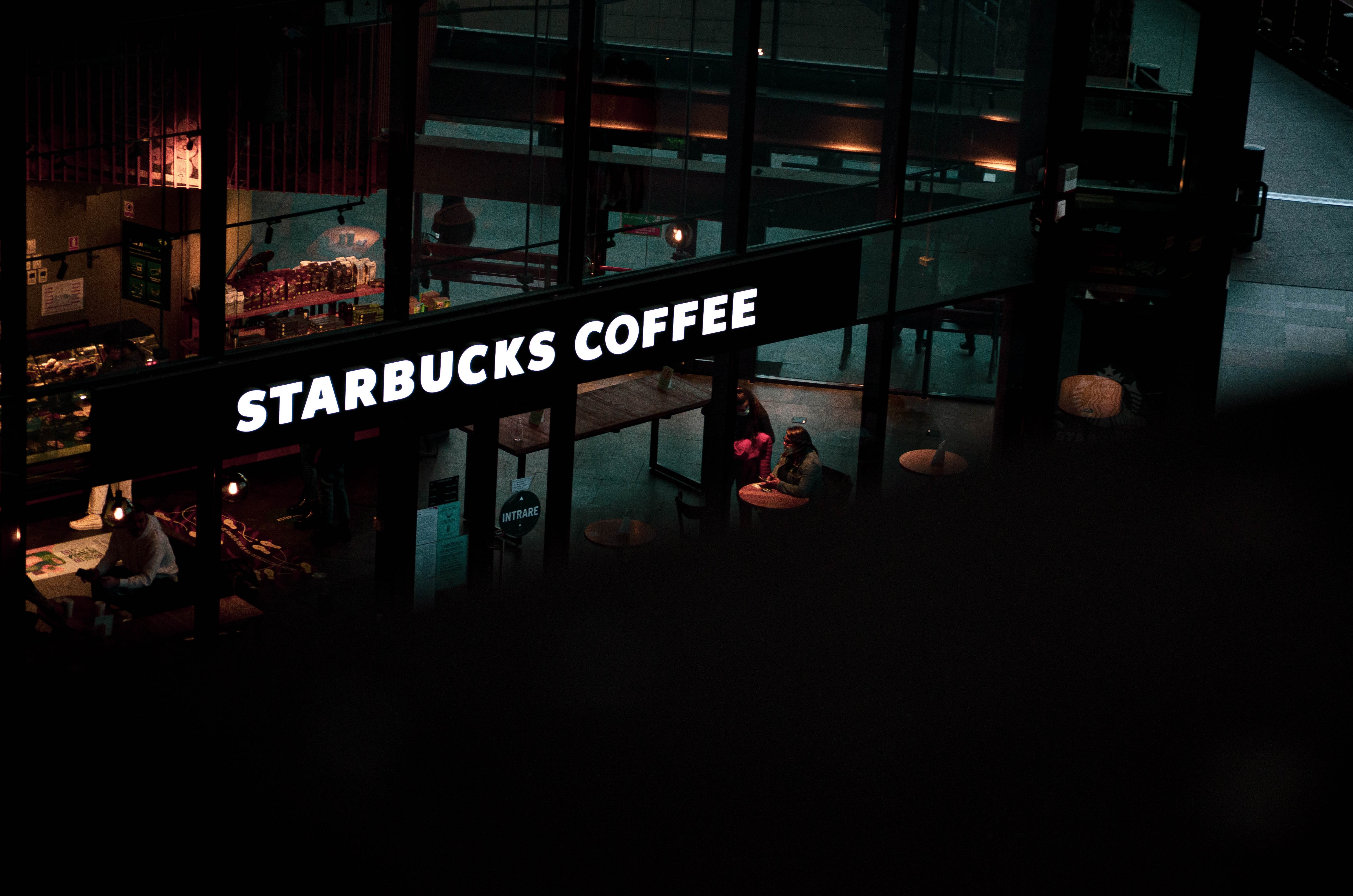
Starbucks Korea has recently announced its selection of the top ten Starbucks cafes in the country. These cafes have been carefully chosen to attract consumers and tourists, providing unique experiences and exceptional services.
As per Korea Times, The coffee franchise revealed its list on Tuesday, showcasing its commitment to enhancing customer satisfaction and offering unforgettable moments.
Unveiling the Best Cafes
Starbucks Korea conducted a rigorous selection process, considering its 1,870 locations nationwide. The chosen cafes represent the diverse offerings and innovative concepts that Starbucks is known for. Among these remarkable destinations is the Bukhan River Reserved location in Namyangju, Gyeonggi Province, which stands out as the only Starbucks cafe that allows pets.
Recognizing the increasing demand for pet-friendly establishments, Starbucks has embarked on a nationwide initiative to renovate selected cafes and accommodate furry friends.
The Gyeongdong 1960 location in Seoul's Dongdaemun District holds a unique charm, blending the nostalgia of a traditional street market with Starbucks' contemporary ambiance. This cafe attracts a growing number of young customers who appreciate its unique retro vibe. In Daegu, the Daegu Jongno Gotaek location showcases the fusion of tradition and innovation by renovating a 100-year-old hanok, a traditional Korean house where customers can savor their favorite Starbucks beverages.
Over in Chuncheon, Gangwon Province, the Chuncheon Mount Gubong Reserved location offers breathtaking views of the city, creating a serene atmosphere for coffee enthusiasts.
No top ten list would be complete without mentioning the renowned Ewha Womans University Reserved location in Seoul's Seodaemun District. This Starbucks cafe offers exclusive beverages and heritage goods, reminding visitors of the location's historical significance.
Moreover, the Byeoldabang cafe in Seoul's Jung District stands out with its large-scale artworks, including a captivating digital art wall that mesmerizes customers with its animated fish and floating bubbles.
Showcase of Beauty
The remaining top Starbucks cafes include The Yangpyeong DTR, The Mount Bukhan, The Yeosu Dolsan DT, and The Jeju Songdang Park Reserved. Each of these cafes offers unique charm and ensures an unforgettable experience for coffee lovers and tourists alike.
Starbucks Korea's selection of the top ten cafes comes in partnership with the Korea Tourism Organization as part of the national campaign, Visit Korea 2023-24. This collaboration aims to promote Korea as a global tourist destination, showcasing its rich culture and exceptional hospitality.
It was reported by Korea Times last month that Starbucks Korea received recommendations from the country's human rights watchdog to improve its drive-thru service for people with hearing, speech, or language impairments. These recommendations reflect Starbucks Korea's ongoing commitment to providing an inclusive and accessible experience for all customers.
Photo: June Andrei George/Unsplash







