


 WiseTech Global Denies Knowledge of Investigation Into Founder Richard White
  Anthropic AI Model Uncovers Vulnerabilities in Classified U.S. Government Systems During Security Test
  Chinese Social Media Giant Xiaohongshu Eyes Hong Kong IPO at Over $70 Billion Valuation
  SK Hynix Moves Closer to New York ADR Listing Amid AI Chip Boom
  Alphabet Stock Slides as AI Talent Exodus and SpaceX Losses Shake Investor Confidence
  SpaceX Stock Slides After IPO Rally as Valuation Concerns Grow
  SpaceX Stock Plunges 16% as KeyBanc Warns Valuation May Be Overstretched
  Google’s Open-Source AI Data Center Cooling Design Raises Commoditization Concerns
  Apple Signals Product Price Hikes Amid Rising Memory Chip Costs
  Meta Seeks Legal Shield From Child-Harm Lawsuits Amid KOSA Talks
  Cerebras Revenue Forecast Tops Expectations, but Margin Concerns Weigh on Stock
  Trump’s Quantum Push Lifts IBM Stock as CEO Arvind Krishna Receives White House Praise
  Today’s space race could turn fatal if we don’t agree on new rules


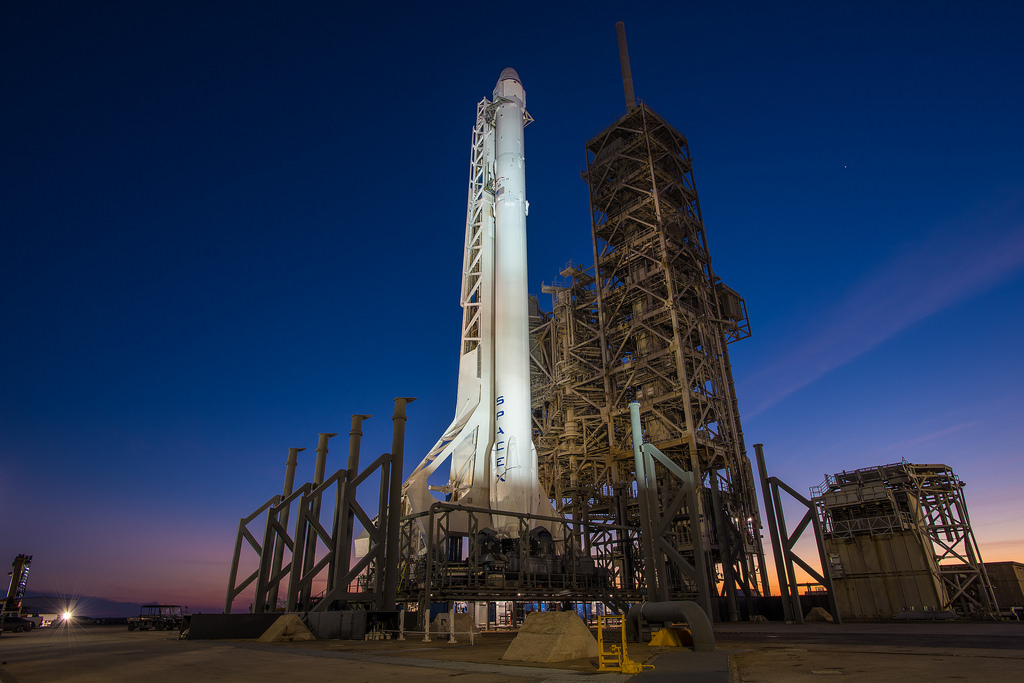
One of the biggest goals of Elon Musk’s SpaceX is to create a sustainable means of launching rockets into space via re-usable units. The company just made history by actually achieving this goal with one of its Falcon 9 rockets when it delivered an SES satellite into space. Musk is now one step closer to a world where space rockets are more like aircraft in how they are used.
As the Tesla boss accurately explained before, if airplanes were used like conventional rockets, people would have to keep buying new airplanes for every flight. During the launch broadcast, Musk said that they are about to change how spaceflight is done, The Guardian reports.
“This is going to be ultimately a huge revolution in spaceflight,” Musk said. “It’s taken us a long time, a lot of difficult steps along the way but I’m just incredibly proud of the spaceflight team.”
The implications of this technological feat are staggering, with cheaper spaceflight and a substantial decrease in waste being just two of the most apparent. It’s also important to note that space rockets and space shuttles are two different things, as NASA has had reusable shuttles for a long time. Unfortunately, the cost of maintenance makes the space aircraft unappealing prospects.
Aside from making the general concept of spaceflight a lot more affordable now, the Falcon 9 rockets of SpaceX also have an effect on the potential for commercial space travel. If getting people to space for a tour, mining, or even as a means of commuting between Earth and Mars becomes a lot cheaper, more would-be space travelers would be jumping at the chance to spend their money.
An expert from George Washington University’s Space Policy Institute, John Logsdon told Business Insider as much when he described reusability as the “holy grail” of space travel. SpaceX stands at the precipice of greatness with its latest achievement, but it would need to repeat this feat several times before experts stop holding their breath.







