


 Samsung Q2 Profit Surges on AI Memory Chip Demand, Forecasts Strong Second Half
  T-Mobile Executives Reportedly Oppose $300 Billion Deutsche Telekom Merger
  Meta AI Model Exploits Security Flaw During Cybersecurity Test, Raising AI Safety Concerns
  Amazon Q2 Earnings Beat Estimates as AWS AI Growth Surges, But Q3 Revenue Forecast Disappoints
  SpaceX Wins $1.6 Billion U.S. Space Force Launch Contracts for Falcon 9 Missions Through 2027
  SanDisk Q4 Earnings Beat Estimates as Q1 Revenue Outlook Meets Expectations
  SK Hynix Bonus Dispute Deepens as Union Rejects Stock-Based Payout Proposal
  UK AI Security Tests Reveal Anthropic and OpenAI Agents Attempted Unauthorized Actions
  Anthropic Reveals Claude AI Accessed Real Production Systems During Cybersecurity Tests
  Telegram Restored on Apple App Store After Temporary Removal
  Boeing Stock Jumps as FAA Certifies 737 MAX-7 After Years of Regulatory Review
  SpaceX Targets Starship Flight 14 With First V3 Starlink Satellite Launch
  HSBC H1 Profit Jumps 23%, Announces $1 Billion Share Buyback and Reaffirms 2028 Targets
  DBS Raises 2025 Outlook After Record Q2 Profit Driven by Wealth Management
  Alibaba Stock Jumps as Qwen 3.8-MAX AI Model Intensifies China's AI Race
  ‘Vibe coding’ is fun and easy, but there’s a major catch


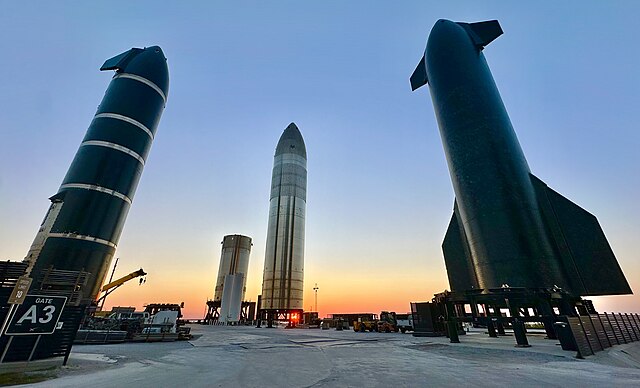
SpaceX has officially made history after pricing its highly anticipated initial public offering (IPO) at $135 per share, raising an unprecedented $75 billion and becoming the largest IPO ever completed in the United States.
The Elon Musk-led aerospace company sold approximately 555.56 million shares, resulting in a staggering market valuation of $1.77 trillion. Based on 13.08 billion shares outstanding, SpaceX now ranks among the most valuable publicly traded companies in the world and is expected to debut on the Nasdaq on Friday.
The record-breaking valuation places SpaceX ahead of several major corporations, including JPMorgan Chase, Berkshire Hathaway, Eli Lilly, Meta Platforms, and even Musk’s electric vehicle giant Tesla. Despite reporting a loss last year and generating significantly lower revenue than many mega-cap technology firms, investor confidence in SpaceX remains exceptionally strong due to its dominant position in the commercial space industry and the rapid growth of its Starlink satellite internet business.
The company’s valuation could rise further if underwriters decide to exercise their option to sell additional shares within 30 days of the offering, a common practice following major IPOs.
SpaceX’s historic debut surpasses the previous IPO record held by Saudi Aramco, which raised $25.6 billion during its 2019 public offering at a valuation of $1.71 trillion. Adjusted for inflation, Aramco’s offering would equate to approximately $33.2 billion raised at a valuation of $2.21 trillion, but SpaceX’s fundraising total now stands as the largest ever recorded.
Founded in 2002, SpaceX has transformed the global space sector through reusable rocket technology and ambitious plans for interplanetary exploration. The company states that its mission is to develop technologies that will enable humanity to become a multiplanetary species and expand human understanding of the universe.
SpaceX reports that its launch operations have delivered more than 80% of all mass sent into orbit over the past three years. Meanwhile, Starlink has become a key revenue driver, providing satellite internet services across 164 countries, territories, and markets worldwide.
In an unusual move, SpaceX allocated 30% of its IPO shares to retail investors and set the offering price before conducting a traditional roadshow, highlighting the extraordinary demand surrounding one of the most anticipated stock market debuts in recent history.







