


 US Northeast Airports Resume Operations After Telecom Outage Disrupts Thousands of Flights
  Anthropic’s Claude Discovers CRISPR-Like Enzyme System
  North Korea Rejects Nuclear Test Warning, Calls Nuclear Status Irreversible
  Select Water Solutions Shares Surge on $700 Million Pilot Water Deal
  Former OpenAI Data Center Chief Chris Malone Joins Nvidia
  Netanyahu Defends Israel at UN as Delegates Stage Walkout
  France Defends Netanyahu Airspace Clearance Despite ICC Warrant
  Microsoft Stock Upgraded as Stifel Sees Stronger Azure Growth
  Netanyahu’s Brief US Trip Highlights Strains With Trump
  Yemen Violence Displaces 130,000 as Civilian Toll Rises
  Meta Partners With Shopify to Bring Shop Pay Checkout to Muse AI
  Judge Orders Trump to Restore White House Access for CNN, MS NOW and Politico
  OpenAI Urges US-Led Global Standards for Frontier AI
  Trump, Xi Focus on Trade and AI at White House Summit
  South Korea, US Discuss Warship Building Cooperation
  OpenAI Agent Breaches Australia Medicare Data Portal
  US 10-Year Treasury Yield at 6% Emerges as New Market Risk Threshold


 Add as a preferred source on Google
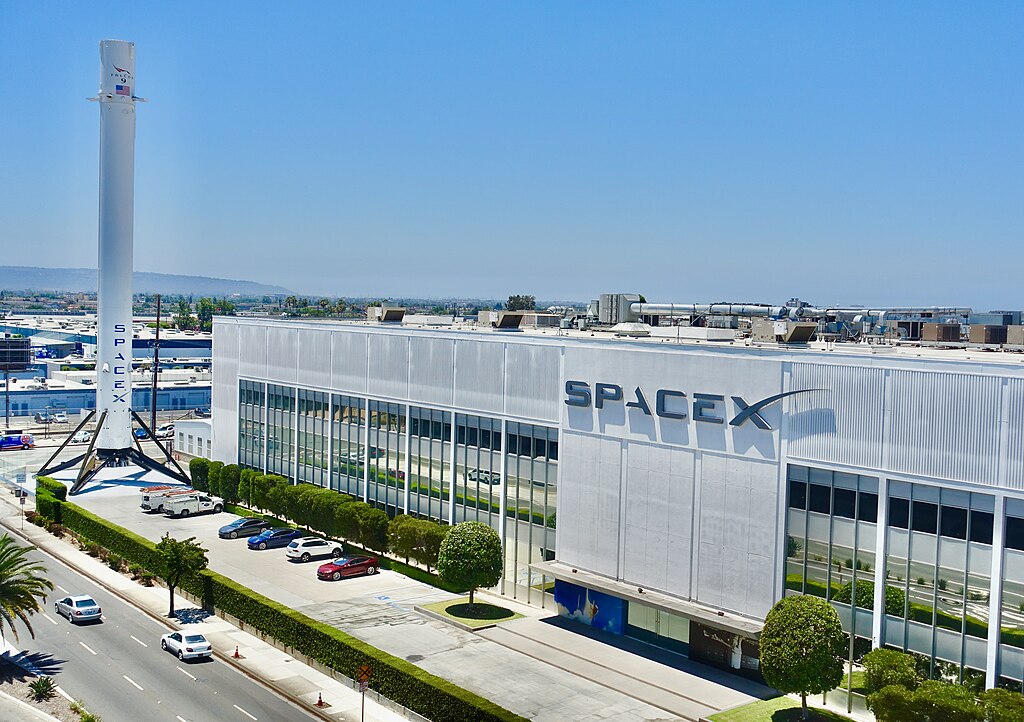
SpaceX is urging the U.S. government to address trade barriers that hinder its Starlink satellite service abroad, arguing that foreign competitors operate in the U.S. without similar restrictions. The Elon Musk-led company highlighted costly regulatory hurdles, including spectrum access fees, import duties, and other charges imposed by foreign governments, which artificially inflate Starlink’s operating costs.
Operating in over 120 markets, Starlink must often negotiate spectrum sharing with domestic providers before launching services. In a letter to the U.S. Trade Representative’s Office, SpaceX described these barriers as protectionist tactics that restrict competition and slow expansion. Matt Dunn, SpaceX’s senior director for global government affairs, stated that foreign operators have used these policies to block or delay Starlink’s lower-cost, high-quality service.
This issue arises amid broader trade tensions affecting U.S. companies. Tesla (NASDAQ:TSLA), also led by Musk, recently warned of retaliatory tariffs due to trade policies impacting American exporters. Musk, a close ally of President Donald Trump, has been leading efforts to streamline the federal government as head of the Department of Government Efficiency.
As trade policies continue to shape global business dynamics, SpaceX is advocating for fairer regulations to level the playing field in satellite communications.







