


 Bessent Defends US Yen Intervention Over Treasury Market Risks
  Nepal Declines Foreign Rescue Aid After Deadly Flash Flood
  Gold Prices Rise Toward $4,650 Ahead of Warsh’s Jackson Hole Speech
  US Stocks Finish Flat as Inflation Data, Nvidia Earnings Keep Investors Cautious
  Asian Chip Stocks Mixed After Nvidia Earnings Beat
  Tokyo Inflation Rises in August as BOJ Rate Hike Bets Grow
  US Dollar Hits Two-Week High After Hawkish Fed Speech
  Oil Prices Fall as Middle East Ceasefire Hopes Rise
  Iran Weighs Conditions to Reopen Strait of Hormuz
  US Raises Concerns Over Chinese Artist Gao Zhen’s Prison Sentence
  Trump Administration Plans New Drug Pricing Deals With Biotech Firms
  Ecuador Court Convicts Ex-President Lenin Moreno in Bribery Case
  German Industry Pushes Merz for Tougher China Trade Policy
  Bank of Korea Raises Rates to 3% as Inflation Stays Sticky
  ICE Awards $16.7M Contract for Electric Shock Gloves


 Add as a preferred source on Google
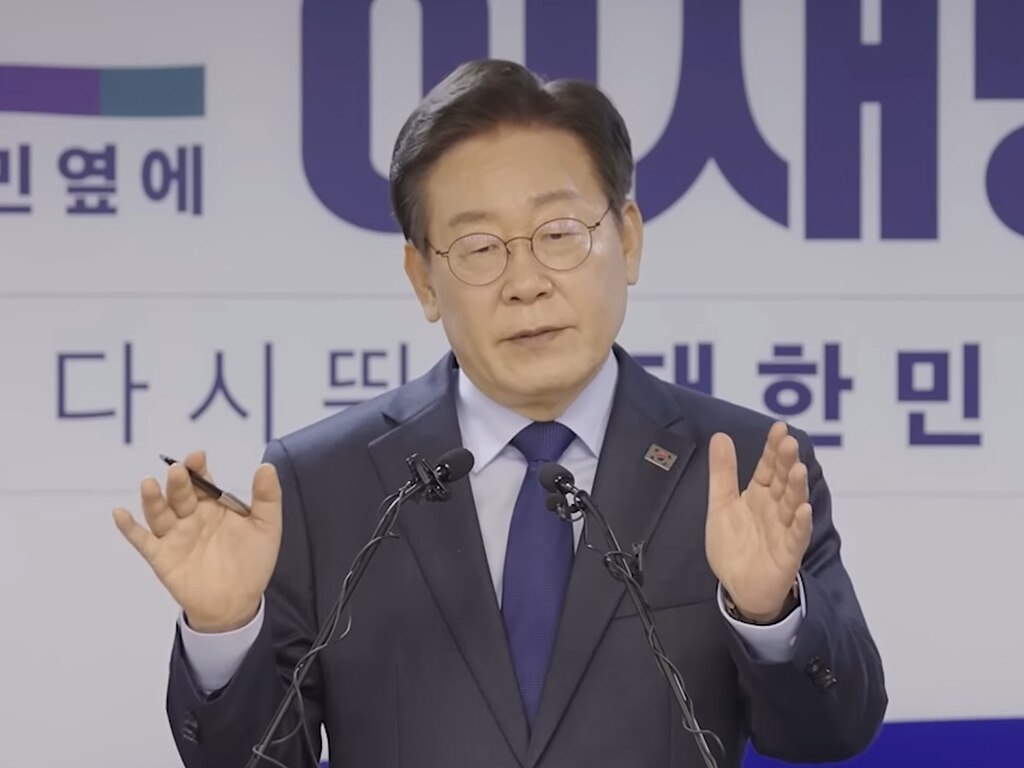
South Korean President Lee Jae Myung pledged on Thursday to implement a bold fiscal policy to revive the economy and address mounting challenges from U.S. trade tensions and North Korea. Speaking at a press conference marking 30 days in office, Lee emphasized restoring public trust after the nation’s recent constitutional crisis triggered by former President Yoon Suk Yeol’s imposition of martial law.
Lee, elected in a June 3 snap election, underscored the urgent need for expansionary fiscal measures. His administration has proposed a $14.7 billion supplementary budget to support domestic demand, with a parliamentary vote expected soon. “The proactive role of national finance is more important than ever,” Lee said, reaffirming his commitment to improving citizens’ livelihoods.
On trade, Lee acknowledged that negotiations with the U.S. over looming tariffs have been difficult. Washington’s July 8 deadline threatens major sectors like semiconductors, autos, and steel. While South Korea already offers near-zero tariffs under its FTA with the U.S., non-tariff barriers remain a sticking point. Lee stressed that while the U.S. alliance remains a foreign policy cornerstone, his administration would also work pragmatically to enhance ties with China and Russia.
Turning to North Korea, Lee highlighted the economic toll of rising tensions and called peace a critical part of “a virtuous cycle of security and economic growth.” Following his decision to halt anti-Pyongyang loudspeaker broadcasts, Lee noted a swift and positive response from the North and pledged further de-escalation measures. “Even in times of conflict, dialogue must continue,” he said.
Lee’s remarks signal a shift from Yoon’s hardline stance, which saw the 2018 inter-Korean military pact scrapped, heightening regional tensions and economic uncertainty.







