


 Japanese Yen Rebounds as Trump Flags Currency Weakness
  Asian Currencies Mixed as Dollar Holds Near Two-Month High
  European Stocks Fall as Bond Yields and Geopolitical Risks Weigh
  Fed Unveils Stablecoin Rules Under GENIUS Act
  Gold Prices Fall as Treasury Yields Rise on Fed Rate Hike Bets
  Canadian Dollar Faces Pressure as Fed-BoC Policy Gap Widens
  Fed Unveils Stablecoin Rules Under GENIUS Act
  Asian Stocks Fall as Surging Bond Yields Rattle Markets
  Japanese Bank Stocks Surge as Bond Yields Fuel Rate Hike Bets
  Soybean Futures Slip as Traders Await Trump-Xi Trade Signals
  Oil Prices Fall on U.S.-Iran Hormuz Deal Hopes
  Mexico-US Trade Talks Delayed to October as Tariff Negotiations Continue
  Dollar Holds Near Two-Month High as Yen Approaches 160
  Asian Stocks Fall as Bond Yields Surge Ahead of Trump-Xi Summit
  RBI Uses $10 Billion Currency Swaps to Drain Excess Rupee Liquidity
  Gold Holds Near $4,275 as Rising Treasury Yields Fuel Fed Rate Hike Bets


 Add as a preferred source on Google
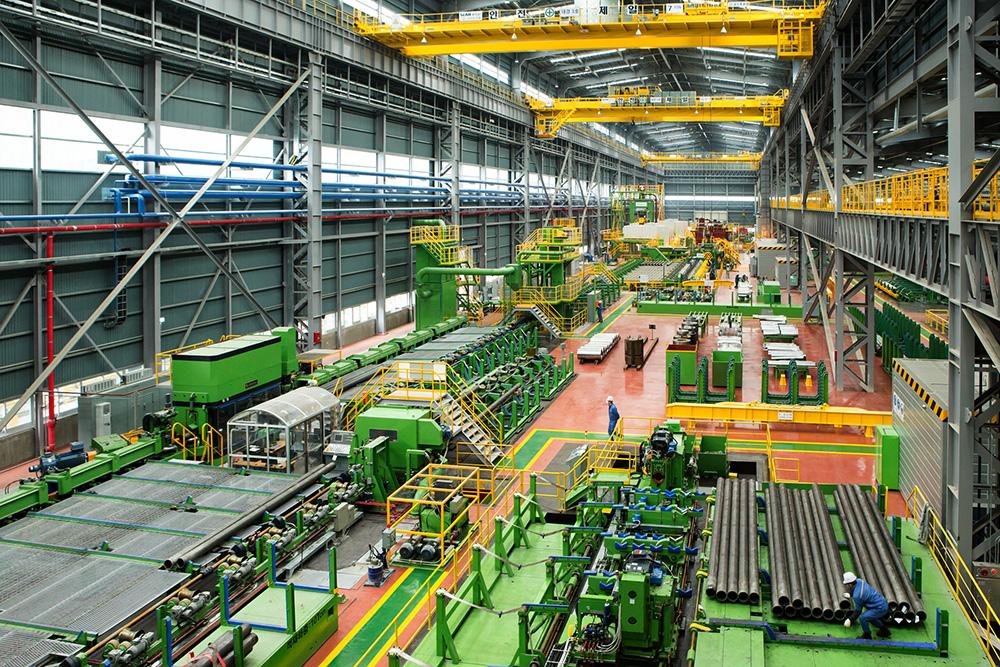
South Korea’s manufacturing sector showed signs of recovery in September, marking its first expansion in eight months as global demand improved, according to the latest S&P Global survey. The Purchasing Managers Index (PMI) rose to 50.7 from 48.3 in August, surpassing the 50-point threshold that separates growth from contraction. This was the highest reading since August 2024, driven by stronger output and new orders.
The rebound was fueled by new product launches and mass production, with overseas demand increasing for the first time in six months, particularly in Asia-Pacific markets. However, the domestic economy remained sluggish, limiting overall momentum. Economist Usamah Bhatti from S&P Global Market Intelligence noted that conditions are likely to remain favorable in the near term as manufacturers reported higher outstanding work.
South Korea’s trade-reliant economy already recorded strong growth in the second quarter, supported by robust exports in the technology sector and a rebound in consumer spending. Still, ongoing uncertainty surrounds trade talks with the U.S., where a preliminary deal announced in July has yet to be formalized due to concerns about a $350 billion investment package and its foreign exchange implications. Tariffs imposed by the U.S. remain a potential risk for Korean exporters.
The survey also showed that input purchase inventories declined at the fastest rate since April 2024 due to rising demand, while backlogs of work grew for the first time in half a year. In response, manufacturers boosted new purchases to a 13-month high and expanded employment at the fastest pace in two years. Business confidence stayed positive, though slightly weaker than the previous month, with expectations pinned on new product rollouts and gradual domestic recovery.
At the same time, manufacturers remain cautious about the potential long-term impact of U.S. tariffs on key industries, balancing optimism with lingering trade concerns.







