


 Palantir Stock Jumps After Strong Q4 Earnings Beat and Upbeat 2026 Revenue Forecast
  SoftBank and Intel Partner to Develop Next-Generation Memory Chips for AI Data Centers
  SpaceX Updates Starlink Privacy Policy to Allow AI Training as xAI Merger Talks and IPO Loom
  Nvidia, ByteDance, and the U.S.-China AI Chip Standoff Over H200 Exports
  Alphabet’s Massive AI Spending Surge Signals Confidence in Google’s Growth Engine
  Nvidia Nears $20 Billion OpenAI Investment as AI Funding Race Intensifies
  Nintendo Shares Slide After Earnings Miss Raises Switch 2 Margin Concerns
  Sam Altman Reaffirms OpenAI’s Long-Term Commitment to NVIDIA Amid Chip Report
  SpaceX Pushes for Early Stock Index Inclusion Ahead of Potential Record-Breaking IPO
  Elon Musk’s SpaceX Acquires xAI in Historic Deal Uniting Space and Artificial Intelligence
  Baidu Approves $5 Billion Share Buyback and Plans First-Ever Dividend in 2026
  Jensen Huang Urges Taiwan Suppliers to Boost AI Chip Production Amid Surging Demand
  Global PC Makers Eye Chinese Memory Chip Suppliers Amid Ongoing Supply Crunch
  Elon Musk’s Empire: SpaceX, Tesla, and xAI Merger Talks Spark Investor Debate
  TSMC Eyes 3nm Chip Production in Japan with $17 Billion Kumamoto Investment
  Anthropic Eyes $350 Billion Valuation as AI Funding and Share Sale Accelerate


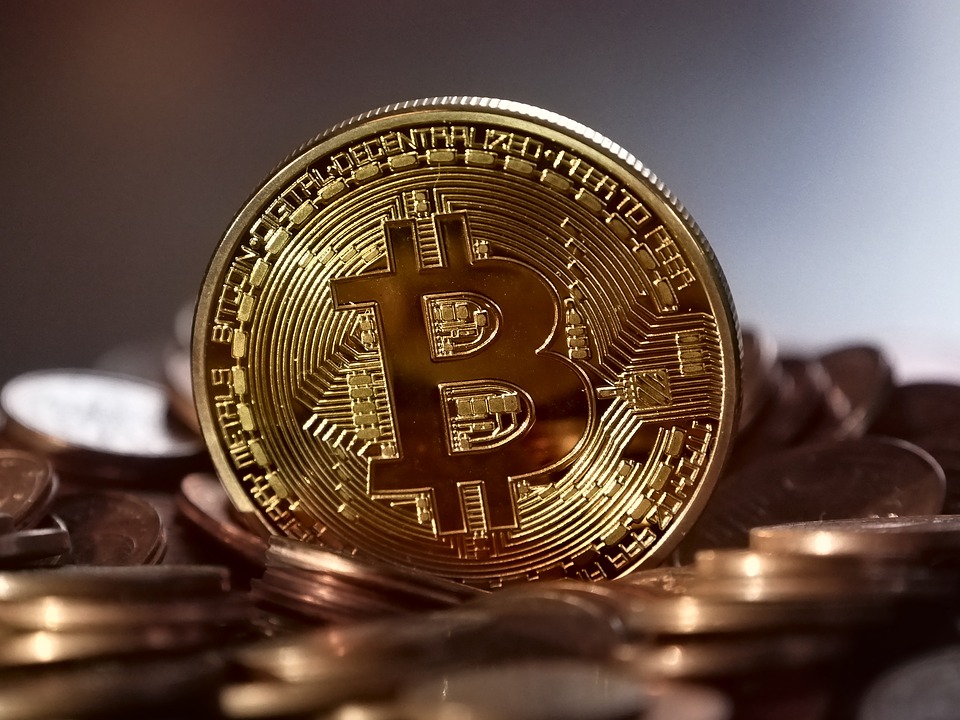
Klaus Schwab, a German engineer and economist, considers the rise of the blockchain innovation as the “Fourth Industrial Revolution.” He believes that it will globally alter how everyone works, function and communicate with one another.
The problem is that the nascent technology has a lot of disadvantages that come with it. And because of this, governments are wary to integrate it into their framework. South Korea is among these.
In September 2017, the South Korean government banned initial coin offerings (ICO) in the country, launching an investigation into illicit activities involving cryptocurrency. However, it would seem that the tides have turned, as reports are coming in claiming that South Korea is being urged to lift the ICO ban.
But lifting the ban is just part of the larger whole. The National Assembly committee said that it is looking into enhancing the regulatory framework of the country regarding cryptocurrency, according to Cointelegraph.
“We need to form a task force including private experts in order to improve transparency of cryptocurrency trading and establish a healthy trade order,” the committee said during a meeting conducted on May 28. They added that they also mean to foster the legal foundation of cryptocurrency trading, as well as ICO permissions, via the National Assembly Standing Committee.
The ICO ban in September 2017 saw a lot of resistance from the public, with the backlash intensifying when speculations on total cryptocurrency prohibition spread. In January 2018, calls for the resignation of senior government ministers erupted in the streets of South Korea through massive protests.
Local publication Business Korea reported that because of the country’s smothering regulations, domestic blockchain startups were forced to travel to Singapore and Switzerland to conduct an ICO, incurring unnecessary costs. Moreover, the publication reported that the National Assembly committee even went as far as accusing the South Korean government of duty negligence with the way it acted towards the blockchain market. But all of that is changing as dialogues between the National Assembly and the government is projected to produce more meetings discussing blockchain and ICOs.













