


 Western Digital Q4 Earnings Beat Estimates as FY2027 Outlook Tops Expectations
  SanDisk Q4 Earnings Beat Estimates as Q1 Revenue Outlook Meets Expectations
  Moderna Wins FDA Approval for mFLUSIVA mRNA Flu Vaccine for Adults 50+
  Meta Ordered to Pay $567M Over Child Safety Violations in New Mexico
  Delta Flight Makes Emergency Landing in Atlanta After Cockpit Fumes Reported
  Samsung, SK Hynix Test AMEC Chipmaking Tools for China Backup Plan
  AI Data Center Boom Faces New Risks as Public Backlash and Policy Scrutiny Grow
  DBS Raises 2025 Outlook After Record Q2 Profit Driven by Wealth Management
  SpaceX Earnings Preview: Bernstein Says 4 Key Factors Will Drive Long-Term Valuation
  UOB Q2 Net Profit Rises 10% as Wealth Management Growth Boosts Earnings
  Palantir Stock Soars as AI Demand Drives Strong Q2 Earnings and Higher 2026 Outlook
  DeepSeek to Raise AI API Prices as Demand for New Models Surges
  Alibaba Stock Jumps as Qwen 3.8-MAX AI Model Intensifies China's AI Race
  Cloudflare Stock Jumps 15% as Earnings Beat Estimates, 2026 Outlook Raised
  Apple Stock Slides 7% as Weak Sales Forecast Overshadows Quarterly Earnings Beat
  Airbnb Stock Jumps After Q2 Earnings Beat, Strong 2026 Outlook


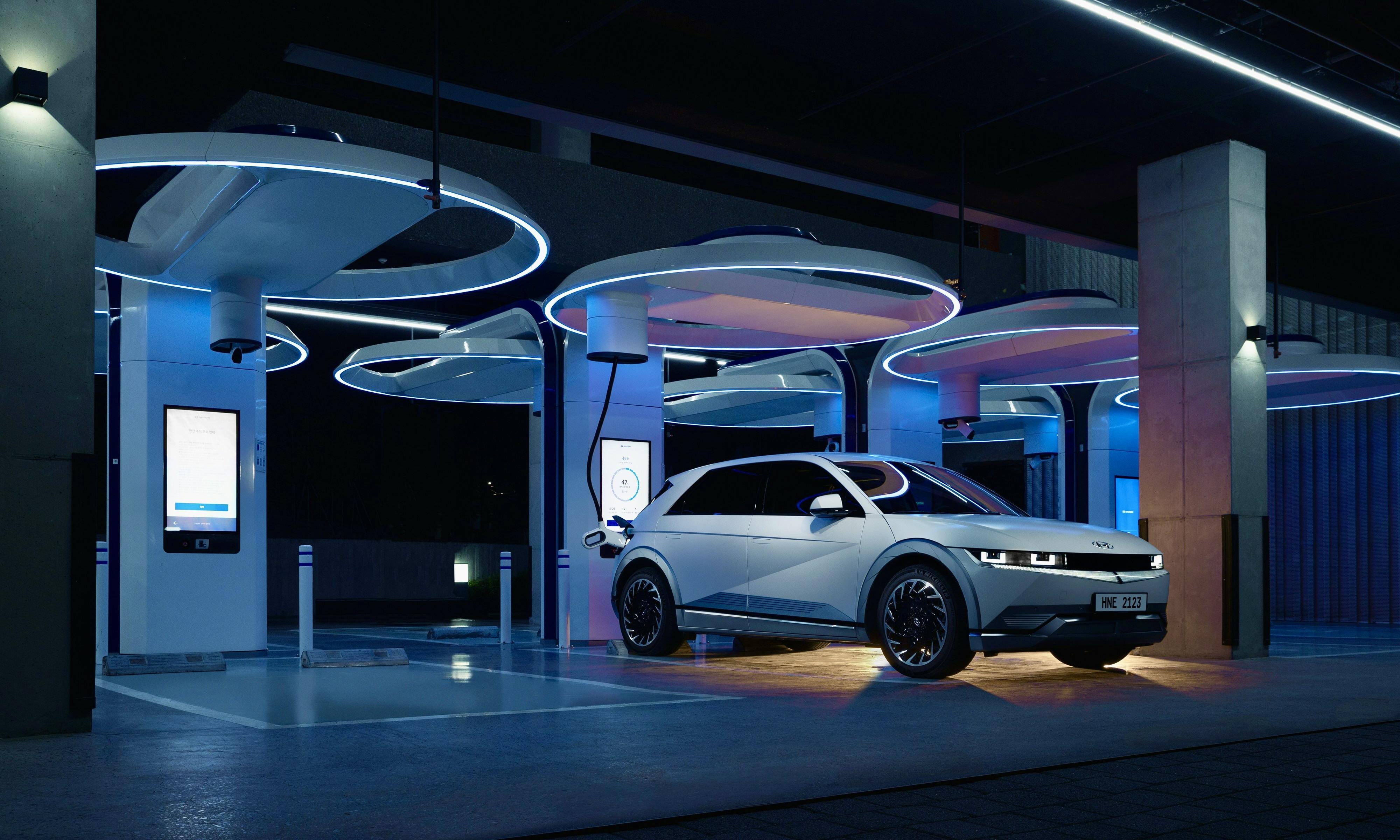
South Korea has positively received the U.S. extension of tax credits for electric vehicles (EVs) incorporating Chinese graphite. This critical decision supports Seoul’s strategy to dominate the American EV market.
This move comes as part of the broader Inflation Reduction Act, focusing on maintaining a competitive supply chain amidst global supply constraints.
South Korea Responds to US EV Tax Credit Extension
According to Reuters, South Korea welcomed Wednesday the U.S. decision to extend until 2026 the eligibility of manufacturers for EV tax credits for vehicles containing Chinese graphite.
South Korea's Industry Ministry has strategically responded to the U.S. decision, emphasizing securing essential battery materials. This move aims to ensure domestic automakers and battery producers can maintain their competitiveness in the American market, which aligns with the Inflation Reduction Act's standards.
Challenges of Diversifying Graphite Supply Chain
"In the case of graphite, it was difficult to diversify the supply chain in a short period of time, making it difficult to receive U.S. EV tax credits for batteries ... we have been actively consulting with the U.S. government, and our request (of extension of graphite use) was reflected in the final rules," according to a statement from the industry ministry.
With the new rules, people who buy EVs that use Chinese graphite can now get tax credits of up to $7,500 until 2026.
The ministry has underscored its commitment to the nation's EV industry by announcing significant financial assistance of 9.7 trillion won ($7.11 billion). This financial aid aims to bolster the industry's efforts to ensure an independent and competitive supply chain, demonstrating South Korea's determination to maintain its position in the global EV market.
According to the U.S. Treasury Department, automakers have until 2027 to reduce their use of hard-to-find minerals, such as graphite, found in anode materials, and critical minerals found in electrolyte salts, binders, and additives.
Future Plans for South Korea's EV Market
The Industry Ministry stated that it will assist businesses in fulfilling obligations, such as submitting plans to the United States detailing how they will diversify their graphite supply starting in 2027 and doing "accurate calculations" to determine the prices of battery minerals to qualify for tax credits.
As per The Korea Herald, China is the third-largest natural graphite producer in the world, with further supplies being imported for processing from Mozambique and Madagascar.
Despite the significant environmental impact associated with its extraction and processing, it controls over 99% of the global production of spherical graphite, also known as battery-grade graphite, due to its advanced refining capabilities and lower-cost production.
Due to this circumstance, other nations have been dissuaded from entering the market despite the United States' efforts to encourage supply chain diversification.
Photo: Hyundai Motor Group/Unsplash







