


 SpaceX Eyes Historic IPO at $1.75 Trillion Valuation
  Federal Judge Blocks Pentagon's Blacklisting of AI Company Anthropic
  Cybersecurity Stocks Tumble After Anthropic's Claude Mythos AI Leak Sparks Market Fears
  Google's TurboQuant Algorithm Sends Memory Chip Stocks Tumbling
  Samsung Electronics Eyes Record Q1 Profit Amid AI-Driven Chip Boom
  NASA's Artemis II Mission: First Crewed Lunar Journey Since Apollo
  Reflection AI Eyes $25 Billion Valuation in Massive $2.5 Billion Funding Round
  Microsoft's $10 Billion Japan Investment: AI Infrastructure and Data Sovereignty Push
  Makemation: a Nollywood movie that shows AI in action in Africa
  Elon Musk Ties SpaceX IPO Access to Mandatory Grok AI Subscriptions
  Rubio Directs U.S. Diplomats to Use X and Military Psyops to Counter Foreign Propaganda
  Annie Altman Amends Sexual Abuse Lawsuit Against OpenAI CEO Sam Altman
  OpenAI Executive Shake-Up Ahead of Anticipated 2026 IPO
  NASA Artemis II: First Crewed Moon Mission Since Apollo Takes Four Astronauts on 10-Day Lunar Journey


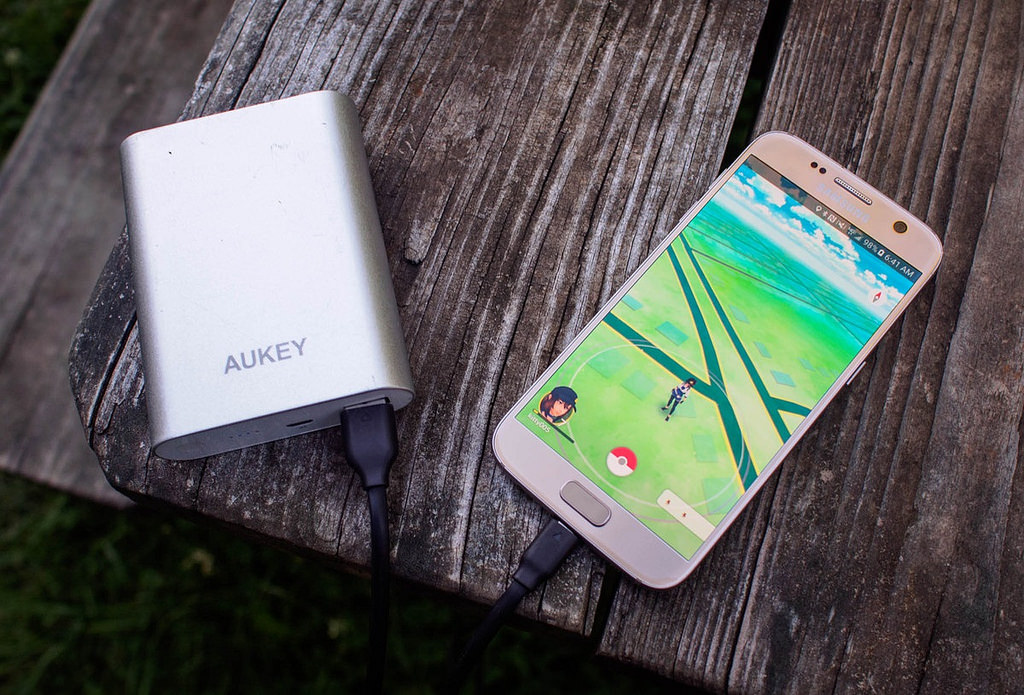
Researchers have been churning out innovations in the energy sector one after another. Two recent examples include tiny supercapacitors that are reportedly able to store a significant amount of energy and recharge in seconds and solar-powered clothing. The former spells huge advancements when it comes to battery-powered devices such as smartphones. Combined with the latter, users could potentially keep their devices from ever running out of power.
The supercapacitors in question were developed by researchers at the University of Central Florida, Phys.org reports. The result of their study is an energy storage medium that has more capacity and will not show degradation even if it is recharged more than 30,000 times.
One of the biggest contributors to the research is Nitin Choudhary, and according to him, this development could have major implications for industries selling products that relied on batteries to work. This would include smartphones, computers, remote controlled toys, and even electric cars.
"If they were to replace the batteries with these supercapacitors, you could charge your mobile phone in a few seconds and you wouldn't need to charge it again for over a week," Choudhary said.
This is a particularly exciting development for those who are familiar with the problems that devices of any kind often exhibit. After a year of use, the devices hold less and less power, and charging them can take longer as well. This prompted the need for better energy storage units and more efficient charging methods.
Speaking of which, another person from UCF by the name of Jayan Thomas has produced an equally exciting discovery in the form of supercapacitors that can be integrated into clothing. The process involves the creation of a device that looks like it’s made up of ribbons. This device harvest sunlight converts it into energy, and stores that energy for later use.
According to Thomas, the inspiration for his research is the movie “Back To The Future II,” where self-charging clothing is prominently featured. Yet again, movies display their influence in shaping the future of scientific innovations.







