


 Microsoft Eyes $7B Texas Energy Deal to Power AI Data Centers
  Meta and Google just lost a landmark social media addiction case. A tech law expert explains the fallout
  Cybersecurity Stocks Tumble After Anthropic's Claude Mythos AI Leak Sparks Market Fears
  California's AI Executive Order Pushes Responsible Tech Use in State Contracts
  Apple Turns 50: From Garage Startup to AI Crossroads
  NASA Artemis II: First Crewed Moon Mission Since Apollo Takes Four Astronauts on 10-Day Lunar Journey
  MATCH Act Targets ASML and Chinese Chipmakers in New U.S. Export Crackdown
  Samsung Electronics Posts Eightfold Profit Surge Driven by AI Chip Demand
  Elon Musk Ties SpaceX IPO Access to Mandatory Grok AI Subscriptions
  OpenAI Executive Shake-Up Ahead of Anticipated 2026 IPO
  Makemation: a Nollywood movie that shows AI in action in Africa
  SpaceX Eyes Historic IPO at $1.75 Trillion Valuation
  NASA's Artemis II Crew Arrives in Florida for Historic Moon Mission
  Nanya Technology Shares Surge 10% After $2.5 Billion Private Placement from Sandisk and Cisco
  Apple's Foldable iPhone Faces Engineering Setbacks, Mass Production Timeline at Risk
  SK Hynix Eyes Up to $14 Billion U.S. IPO to Fund AI Chip Expansion
  Chinese Universities with PLA Ties Found Purchasing Restricted U.S. AI Chips Through Super Micro Servers


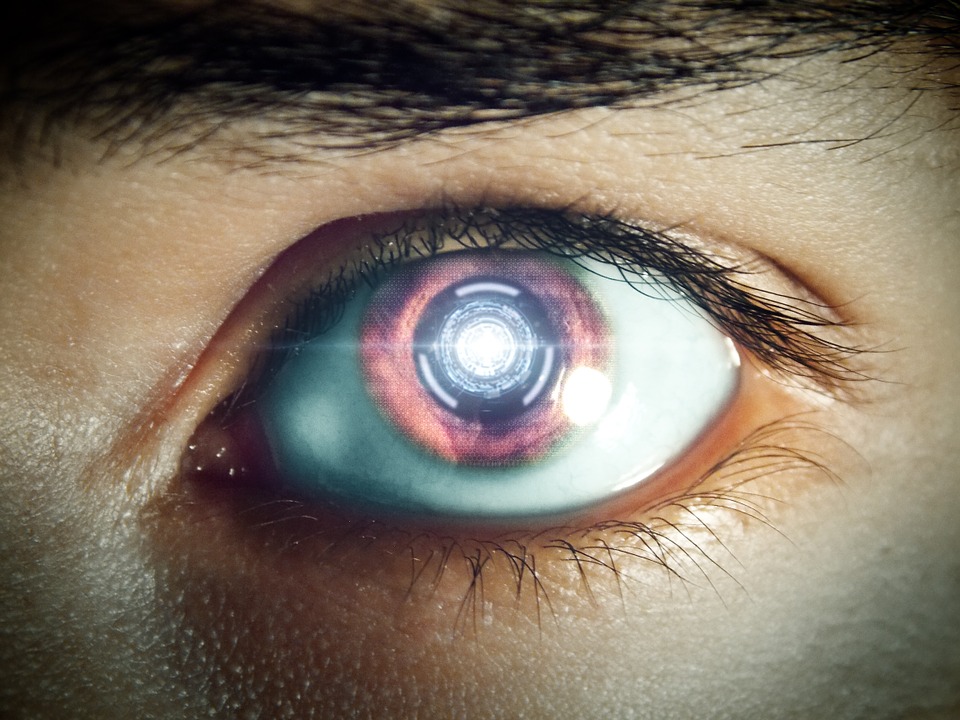
Blindness is an unfortunate impairment that affects millions around the world, but advanced medical technology offers hope. 10 patients who suffer from a form of blindness called Retinitis pigmentosa will be given the chance to have their sight restored via the installation of bionic eyes. This is the next frontier of medical science where science fiction finally becomes scientific fact.
The project will be conducted using the Argus® II Retinal Prosthesis System, which is a tandem of computer relay and camera sensors installed on a pair of glasses. As the system’s website explains, it basically works by having two electronic setups communicate with each other in order to restore vision for the patients.
“A miniature video camera housed in the patient's glasses captures a scene,” the website’s bionic eye section reads. “The video is sent to a small patient-worn computer (i.e., the video processing unit – VPU) where it is processed and transformed into instructions that are sent back to the glasses via a cable. These instructions are transmitted wirelessly to an antenna in the retinal implant. The signals are then sent to the electrode array, which emits small pulses of electricity. These pulses bypass the damaged photoreceptors and stimulate the retina's remaining cells, which transmit the visual information along the optic nerve to the brain, creating the perception of patterns of light.”
Before the Argus II program, patients who suffered from Retinitis pigmentosa had no hope for treatment, which effectively doomed them to a state of blindness forever, Futurism reports. Treatment will be delivered in groups, with five of the patients going to Manchester Royal Eye Hospital and the other five going to Moorfields Eye Hospital.
Their treatment will start in 2017 and if proven successful, the treatment could be made available to the estimated 16,000 patients who suffer from the impairment in the UK alone. Global delivery will likely take some time as well.







