


 SpaceX IPO Filing Expected This Week as Valuation Could Surpass $75 Billion
  NASA's Artemis II Mission: First Crewed Lunar Journey Since Apollo
  Google's TurboQuant Algorithm Sends Memory Chip Stocks Tumbling
  SpaceX Eyes Historic IPO at $1.75 Trillion Valuation
  Cybersecurity Stocks Tumble After Anthropic's Claude Mythos AI Leak Sparks Market Fears
  Federal Judge Blocks Pentagon's Blacklisting of AI Company Anthropic
  Annie Altman Amends Sexual Abuse Lawsuit Against OpenAI CEO Sam Altman
  MATCH Act Targets ASML and Chinese Chipmakers in New U.S. Export Crackdown
  Rubio Directs U.S. Diplomats to Use X and Military Psyops to Counter Foreign Propaganda
  Chinese Universities with PLA Ties Found Purchasing Restricted U.S. AI Chips Through Super Micro Servers
  SMIC Allegedly Supplies Chipmaking Tools to Iran's Military, U.S. Officials Warn
  Australia's Social Media Ban for Under-16s Sparks Global Movement
  OpenAI Executive Shake-Up Ahead of Anticipated 2026 IPO
  Microsoft Eyes $7B Texas Energy Deal to Power AI Data Centers
  Elon Musk Ties SpaceX IPO Access to Mandatory Grok AI Subscriptions
  Microsoft's $10 Billion Japan Investment: AI Infrastructure and Data Sovereignty Push


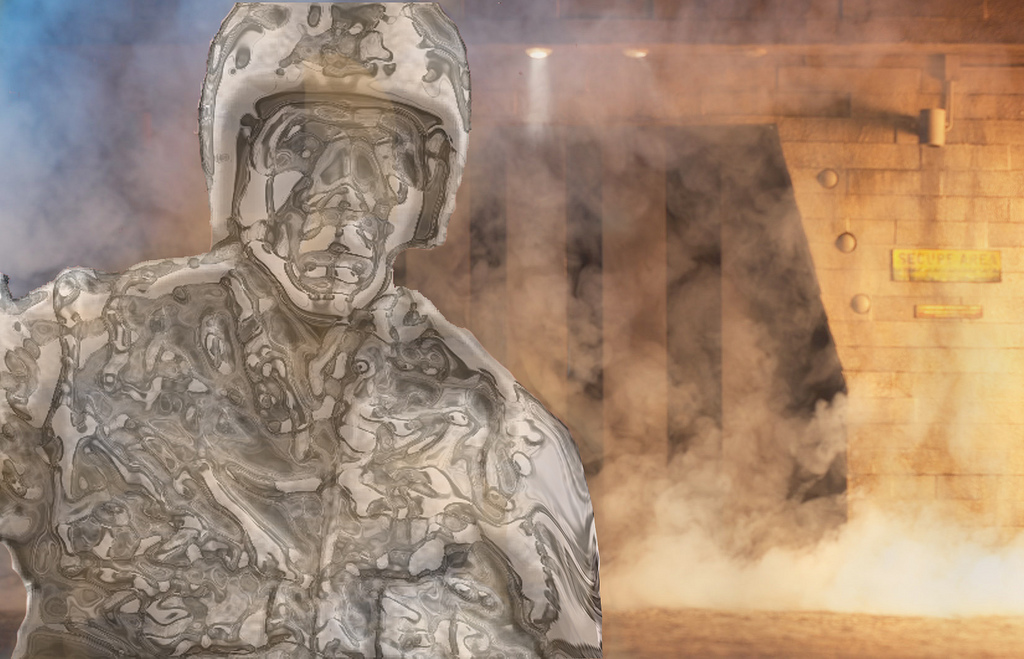
Terminator 2 saw one of the most iconic movie villains of all time come to life; the T-1000. Able to morph into any form, it’s also capable of healing from injuries and physical trauma due to its liquid metal composition. While it may not reach that level of advancements, it seems some scientists were able to create robotic skin that comes close in terms of healing capabilities.
In a paper titled “An autonomously electrically self-healing liquid metal–elastomer composite for robust soft-matter robotics and electronics,” which was published in Nature magazine, the researchers revealed how they were able to create a robotic skin that’s capable of self-repair when damaged. The skin is made of elastic material and droplets of liquid metal.
“Here, we introduce a material architecture for soft and highly deformable circuit interconnects that are electromechanically stable under typical loading conditions, while exhibiting uncompromising resilience to mechanical damage,” the paper reads.
“The material is composed of liquid metal droplets suspended in a soft elastomer; when damaged, the droplets rupture to form new connections with neighbours and re-route electrical signals without interruption. Since self-healing occurs spontaneously, these materials do not require manual repair or external heat. We demonstrate this unprecedented electronic robustness in a self-repairing digital counter and self-healing soft robotic quadruped that continue to function after significant damage.”
As Futurism notes, calling the process self-repairing is not technically correct since that would involve getting the damaged pieces back together by stitching themselves and covering the damaged parts. Instead, the material simply expands to cover the damaged areas and create new circuits.
The goal is to basically create better technology that is capable of improving interactions between humans and machines in terms of the interface. It could even lead to a new kind of wearable technology that leads to new kinds of devices in the future.







