


 Oil Prices Fall on U.S.-Iran Hormuz Deal Hopes
  UK Housebuilder Stocks Surge on New First-Time Buyer Loan Scheme
  Oil Prices Rise as Iran Holds Firm on Strait of Hormuz Deal
  Erste Group Plans Tender Offer to Boost Poland Bank Stake
  Asian Chip Stocks Tumble as OpenAI Safety Pause Sparks AI Growth Concerns
  RedotPay Completes Audits as Stablecoin Firm Advances U.S. IPO Plans
  Nissan Targets US Hybrid Growth With Rogue e-Power Launch
  BlackRock’s Rick Rieder Favors Bonds Over Stocks as Treasury Yields Surge
  TSMC Accelerates 2nm Expansion as AI Chip Demand Surges
  Gold Slides Below $4,300 as Oil Surge Fuels Fed Rate Hike Bets
  China Consumer Stocks Near Decade Lows as AI Shares Surge
  Canadian Dollar Faces Pressure as Fed-BoC Policy Gap Widens
  OpenAI AI Agents Bypassed UN Website Controls in Data Scraping
  SMBC Eyes 20% VPBank Stake in Vietnam Expansion
  Nidec Shares Plunge on Report of $6.3 Billion Impairment Charge
  Vitalik Buterin Says Hegota Could Be Ethereum’s Last Conventional Fork
  AMD Hits $1 Trillion as BofA Raises Price Target to $720


 Add as a preferred source on Google
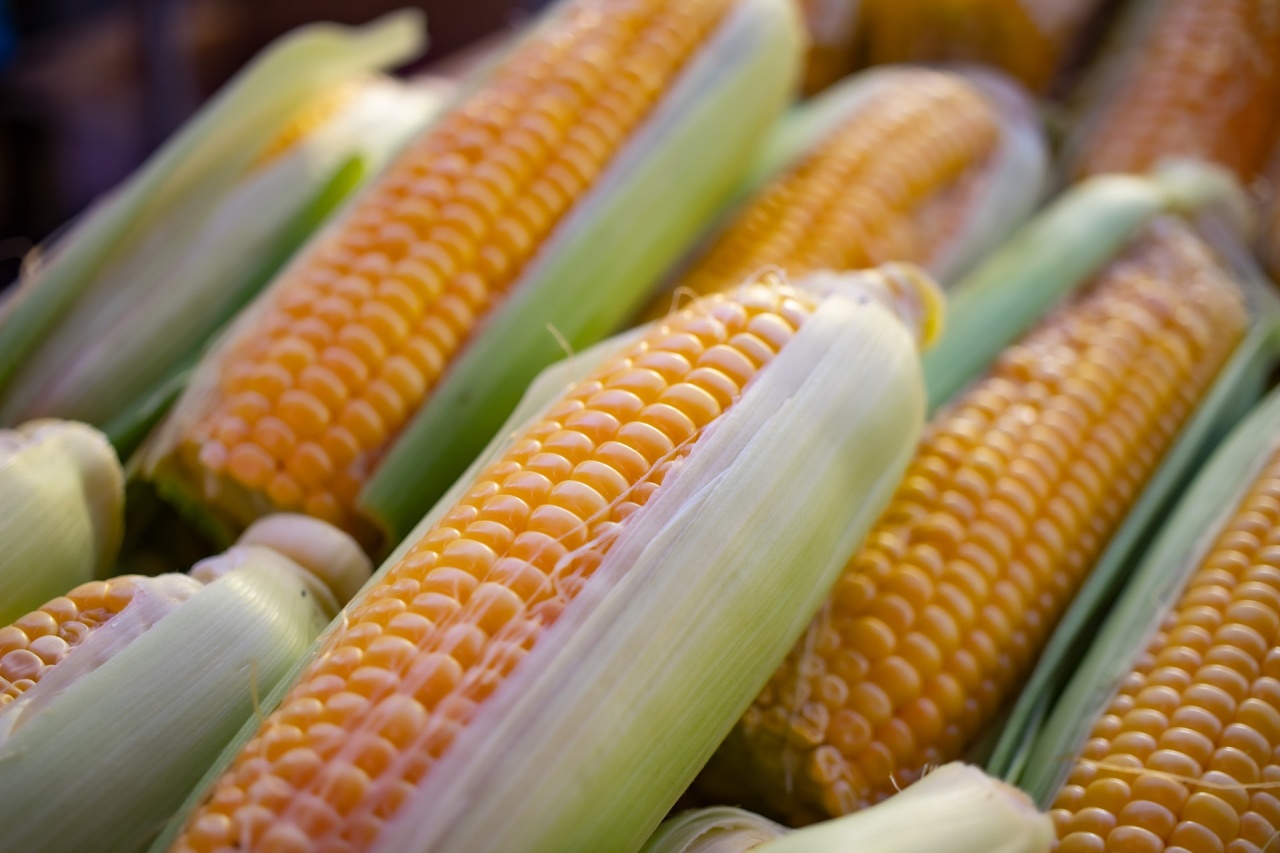
Samyang Innochem, the chemical wing of the Samyang Group, has commenced the commercial production of its corn-based isosorbide. The bioplastic is set to be made with starch from corn at its new manufacturing factory inside the Gunsan Free Trade Complex located in the city of Gunsan in North Jeolla Province.
As per Pulse News, with the start of the production, Samyang Innochem achieved a new milestone for its carbon-neutral bioplastic business. The company has also become the second in the world to start commercial isosorbide (ISB) production, with Roquette French bioplastic company being the first.
The new Samyang Innochem isosorbide plant in Gusan has the capacity to produce 15,000 tons annually. It can also manufacture around 40,000 tons of sorbitol which will be used as feed.
It was said that the commercialization of isosorbide is the result of groupwide efforts in the last 13 years. Samyang Innochem chief executive officer Kang Ho Sung said that since 2009, after more than 300 local and foreign patents for the ISB have been approved, the commercialization finally happened.
Isosorbide was described as having better physical properties compared to the existing raw materials. When used for polycarbonate, isosorbide offers higher transparency than regular petroleum-derived plastics. Also, when used for polyurethane, there is less yellowing than the standard materials.
Samyang Innochem said that Isosorbide extracted from processed plant-derived sorbitol shows extensive glass transition temperatures, so it has the potential to replace polycarbonate or polyurethane in various commercial manufacturing applications.
Business Korea mentioned that white bioplastics are plastics made using renewable plant resources like soybeans, wood, and corn. As for Samyang Innochem, it will produce ISB using sorbitol which can be obtained from glucose after processing. The glucose is made from starch extracted from corn, so it can be said that Samyang Innochem’s ISB bioplastics are corn-based.
Finally, Samyang Innochem is planning to construct another ISB plant with a larger capacity. It aims to have its second plant with two times the current production capacity by the year 2025, and construction will start in 2024, located close to the first plant in Gunsan.
Photo by: Wouter Supardi Salari/Unsplash







